India Must Build a Future-Ready Green Workforce, Say Experts at Connect Karo 2025
Skilling reforms, public–private partnerships, and inclusive training seen as key to creating 3.4 million green jobs by 2030.
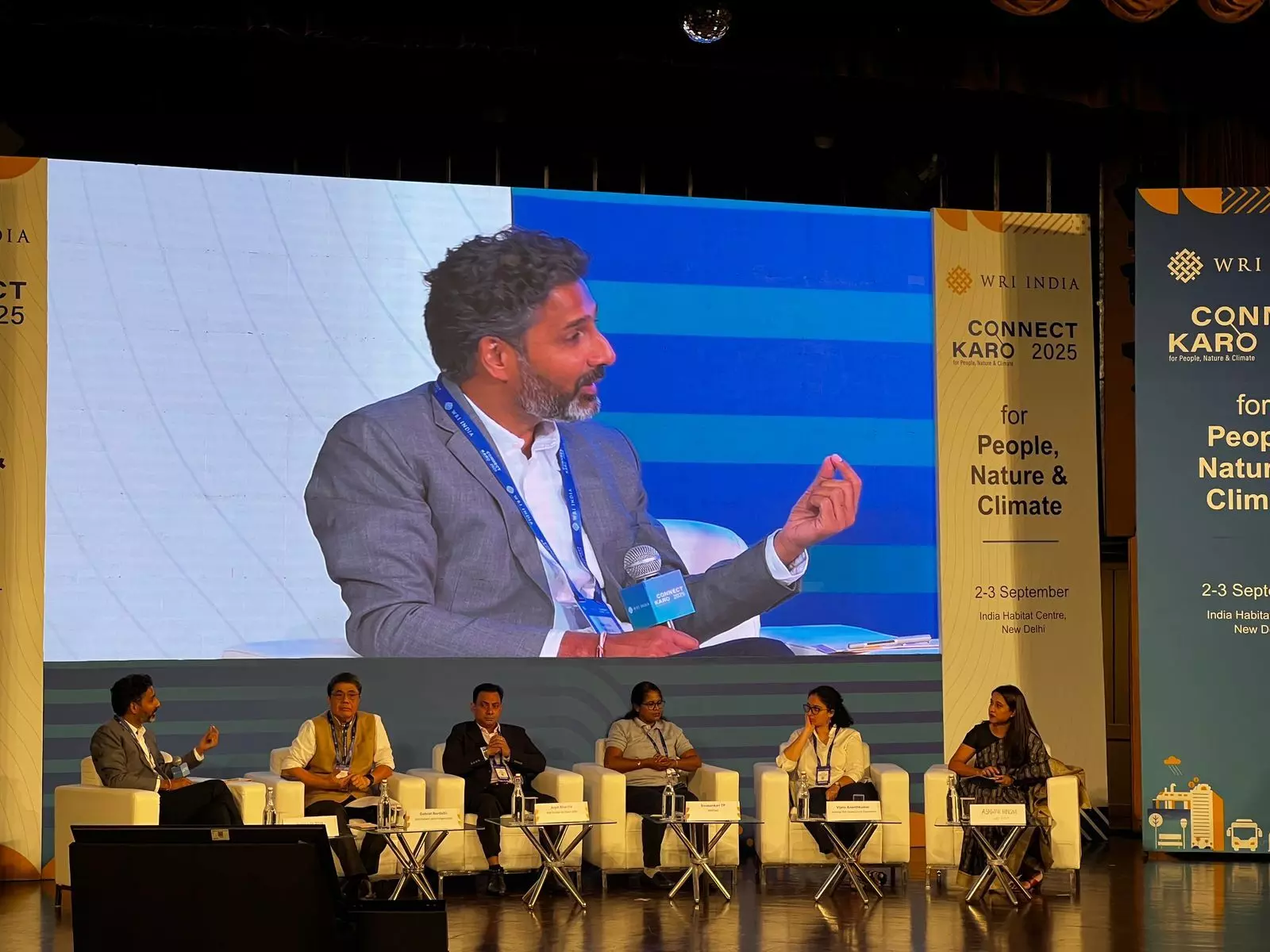
Equipping India’s workforce with green skills will be critical for meeting the twin challenges of economic growth and climate action, said experts at a high-level plenary on ‘Skilling for a Green Future’ on the second day of WRI India’s annual flagship event, Connect Karo 2025, on Wednesday.
The session highlighted that while India has made significant progress in strengthening its skilling ecosystem, the rapid expansion of clean energy, sustainable manufacturing, and resource-efficient practices now calls for urgent reforms in training and workforce development. Speakers emphasised that the transition to a low-carbon economy could create millions of jobs, but workers must be trained in line with the demands of emerging sectors.
Arpit Sharma, CEO, Skill Council for Green Jobs said, “India has set a target of reducing one billion tonnes of carbon emissions by 2030, which is also leading to creation of a large number of green jobs. To meet this demand, we are revamping existing curricula, designing new ones, and preparing certificate training programs to make the workforce ready for green jobs in an evolving industry landscape. While we draw on international best practices, we are tailoring the curricula and training to suit the local context.”
Madhav Pai, CEO, WRI India said, “India aims to create 3.4 million jobs in the green sector by 2030. To meet this demand, we must adopt an ‘identify–train–recruit’ approach to skilling. Public–private partnership models are key, and the private sector must play a deeper role in workforce development. Above all, the skilling transition has to be inclusive and just, ensuring that vulnerable communities also benefit from the opportunities of a green economy.”
Expanding the discussion, Shashishekhar Pandit, Chairman and Co-founder, KPIT Technologies, underlined the global context of shifting jobs and the need to rethink economic growth models. He said, “We are witnessing both a shift and shrink in jobs. Manufacturing jobs are moving geographically, while technological change is shrinking traditional roles. With AI, many more jobs will soon come under question. At the same time, our current economic model is exploitative - forests are being destroyed, plastic is filling our oceans, and our air and rivers are polluted. We need to fundamentally shift towards a sustainable model that creates value without destroying the environment.”
Connect Karo 2025 brought together leaders committed to critical issues related to sustainable cities, clean energy, food, land and water and climate action and finance. The two-day convening hosted more than 150 thought leaders, experts, academics, scientists and civil society members to discuss the most urgent development and environmental challenges of our times.