Rupee Slumps to Record Low of 91.56 Against Dollar Amid Global Risk Aversion
The Indian rupee hit an all-time low of 91.56 against the US dollar on Wednesday as persistent foreign fund outflows, weak capital inflows and global uncertainty weighed on sentiment, with the Reserve Bank of India stepping in only to smooth volatility rather than defend any fixed level.
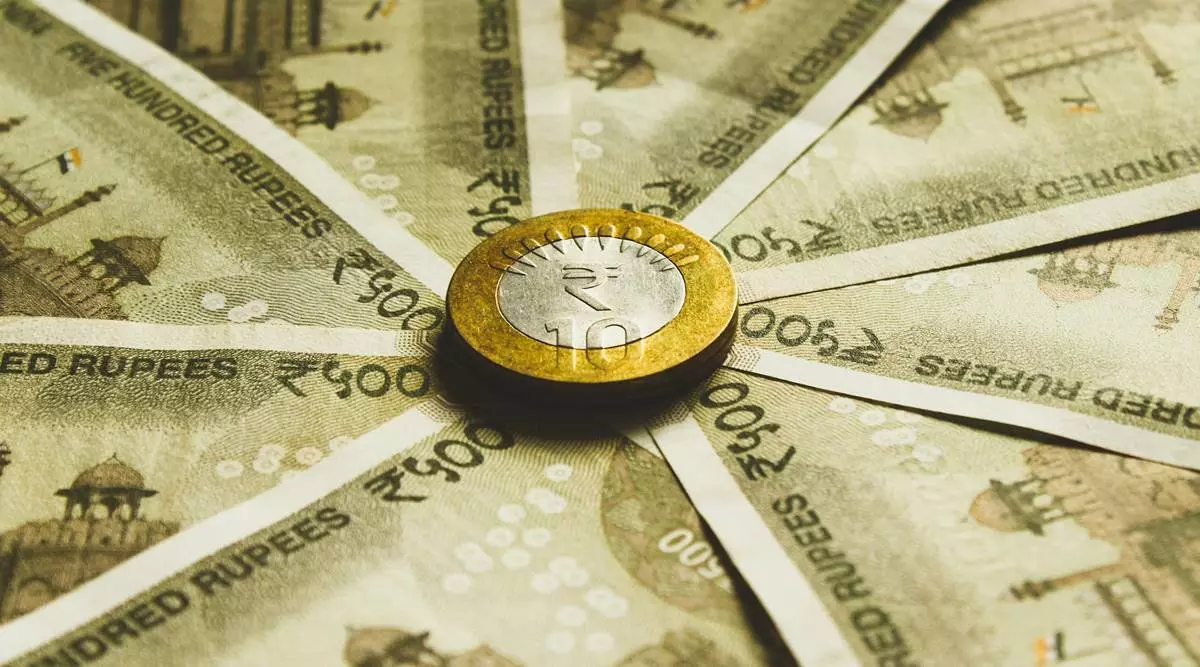
The Indian rupee fell to an all-time low of 91.56 against the US dollar on Wednesday. Previously, the rupee had slipped to 91.50, but has now surpassed this level. This decline in the foreign exchange market was witnessed amid global uncertainty and investors' risk-averse attitude.
Rupee Falls by 5% in One Year
According to currency market data, the rupee has weakened by approximately 1.5 percent in January alone. Meanwhile, the rupee has declined by approximately 5 percent in the entire year 2025. The continuous setting of new lows indicates increasing pressure in the market.
Why is the rupee under pressure?
Experts say that the biggest reason for the rupee's weakness is the global trend of risk aversion. International investors are withdrawing funds from emerging markets and turning to safer alternatives, especially the dollar.
Importing companies are increasing their demand for the dollar to protect against a potential further decline, while exporters are cautious in selling dollars. This has led to imbalances in the foreign exchange market.
Capital Flows Become the Biggest Concern
According to market experts, India's economic situation or current account deficit are not currently a serious concern. The real pressure is coming from a lack of capital inflows. The rupee remains vulnerable due to the slowdown in foreign investment.
Continuous Selling by Foreign Investors
Foreign portfolio investors have withdrawn approximately $3 billion from the Indian market so far in January. Total foreign withdrawals for 2025 have reached $18.9 billion. This significant outflow has further exacerbated the rupee's weakness.
Uncertainty Over Trade Deal and RBI's Role
The lack of clear progress on the India-US trade agreement has also hindered market support. Meanwhile, the Reserve Bank of India is intervening when necessary to control sharp market fluctuations, but is not adopting a policy of protecting the rupee at any fixed level.