The Mirage of Middle-Class Promises: Budget 2026 and the Economics of Neglect
India's middle class remains neglected in fiscal policymaking despite being a key engine of growth. Can Budget 2026 address tax relief, healthcare costs & inequality? #Budget2026"

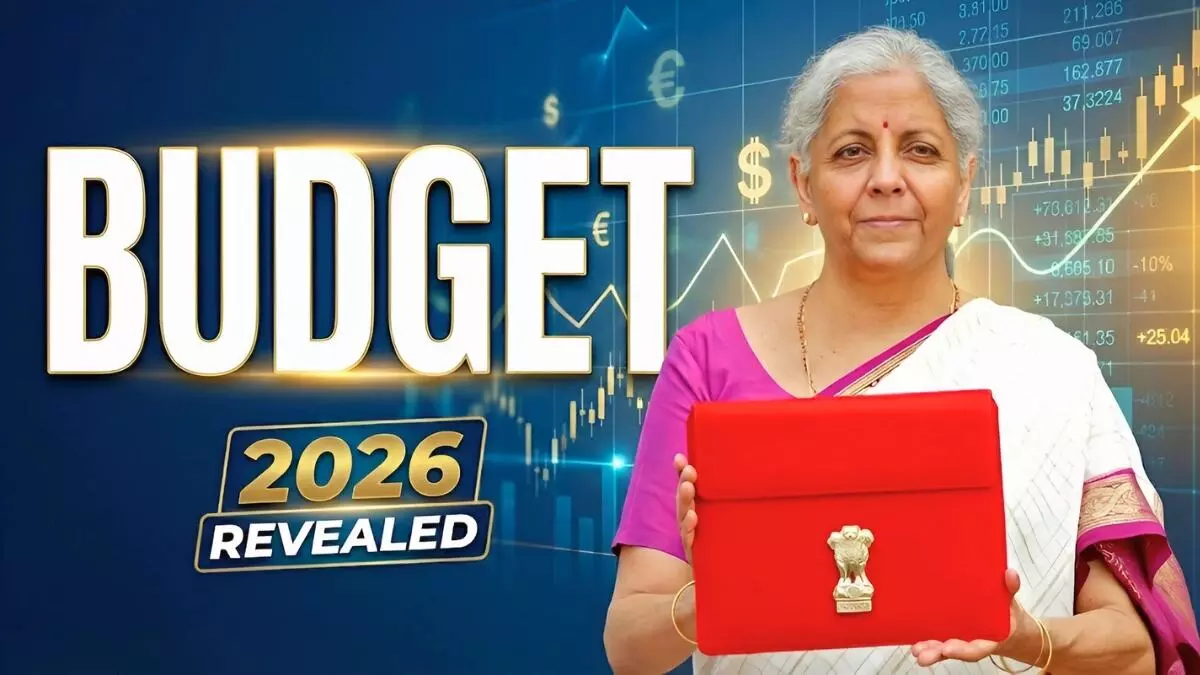
For a decade, the Indian middle class has been the silent engine of consumption, taxation, and aspiration, yet it remains the most neglected constituency in fiscal policymaking. The so-called “Kasturi years” promised empowerment, but what materialized was a paradox: rising tax collections without commensurate relief, expanding healthcare costs without affordability, and a credit system that widened access but deepened indebtedness. The middle class, squeezed between subsidy-driven welfare for the poor and incentive-driven capital for the elite, has been left to navigate inflationary pressures, stagnant real wages, and a fiscal architecture that treats them as a dependable revenue stream rather than a constituency deserving structural support.
Tax relief remains the most obvious demand. Direct tax collections have surged, but exemptions and deductions have not kept pace with inflation or lifestyle realities. The salaried class continues to bear the brunt of compliance, while wealthier segments exploit loopholes and corporates negotiate incentives. The government’s failure lies not in collecting taxes but in redistributing them meaningfully—public investment in education, healthcare, and urban infrastructure has lagged, leaving households to shoulder private costs that erode disposable income. Affordable healthcare, touted as a national priority, has remained elusive. Insurance penetration is shallow, premiums are high, and out-of-pocket expenditure continues to account for nearly half of medical spending. The middle class, neither poor enough to qualify for government schemes nor rich enough to absorb private costs, finds itself trapped in a system where illness is a financial shock.
The political economy of these failures is stark. Over ten years, fiscal rhetoric has leaned heavily on populism and optics—loan waivers, headline-grabbing welfare schemes, and capital-intensive projects—while the middle class has been asked to “wait” for trickle-down benefits. Yet trickle-down has been more myth than mechanism. Consumption growth has slowed, household savings have declined, and the promise of aspirational India has been undercut by the reality of precarious finances. The backdrop of the Indian economy is equally telling: despite robust GDP numbers, inequality has widened, and the middle class has not seen proportional gains in purchasing power. The strength of the country is mocked by the weakness of its distributive justice.
What the middle class truly needs is not token gestures but structural recalibration. Rationalized tax slabs indexed to inflation, genuine healthcare affordability through deeper insurance reforms, and investment in urban infrastructure that reduces private spending on essentials like education and transport. These are not luxuries but necessities for sustaining the very class that anchors demand, innovation, and stability in the economy. Without such measures, Budget 2026 risks becoming another exercise in rhetoric, where the government flaunts macroeconomic strength while households grapple with microeconomic fragility.
India’s middle class has carried the burden of nation-building with patience, but patience is not infinite. The economist’s lens reveals a contradiction: a country that celebrates its demographic dividend yet undermines the very demographic that sustains its fiscal dividend. If Budget 2026 fails to address this imbalance, the narrative of growth will remain hollow, and the strength of the country will continue to be mocked by the fragility of its middle class.
Ultimately, the middle class does not seek charity—it seeks fairness. It does not demand populist giveaways but rational policy that acknowledges its contribution and relieves its vulnerabilities. The government’s credibility in 2026 will not be judged by the grandeur of its announcements but by the granularity of its delivery. If the past ten years have been a decade of neglect, the coming budget must mark a decisive turn. Otherwise, the middle class will remain what it has long been in India’s economic story: the invisible backbone, carrying the weight of promises that never quite materialize.