Devastating Floods Engulf Multiple Countries as Scientists Warn of Alarming Trend

In recent news, numerous countries around the world are grappling with deadly floods, leading scientists to issue a stark warning about the escalating frequency and severity of such events. While geographically distant, these floods share a common thread, according to experts.
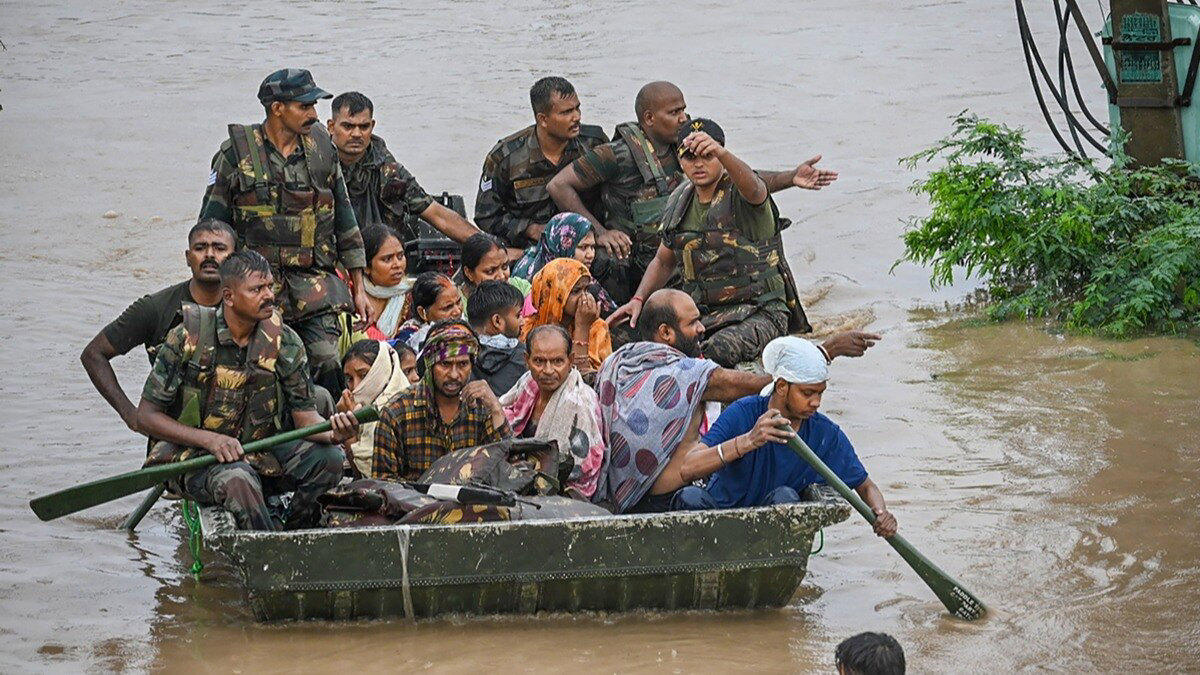
Parts of Himachal Pradesh in India have been submerged in flash floods following relentless rainfall, resulting in landslides and the loss of over 35 lives. The Indian Meteorological Agency has issued alerts in several other states due to the unfolding crisis. Similar floods have struck Japan, where torrential rains triggered devastating mudslides, claiming two lives and leaving six individuals missing.
The situation extends beyond Asia. In New York, residents are witnessing the worst flooding since the aftermath of Hurricane Irene in 2011. Flooding has also forced tens of thousands of people from their homes in various regions of northern, central, and southeastern China. Turkey and the Black Sea coast have experienced swelling rivers due to heavy rainfall.
Scientists have discerned a pattern among these widespread flooding incidents. They assert that the storms responsible for these events form in a warmer atmosphere, leading to more frequent and intense rainfall. The heightened moisture-holding capacity of a warmer atmosphere results in increased precipitation during storms, which can have deadly consequences. The accumulation of pollutants, particularly carbon dioxide and methane, contributes to atmospheric warming. Rather than allowing heat to dissipate into space, these pollutants trap it.
Recent deadly floods across multiple countries have raised concerns among scientists, who warn that these events are not isolated incidents. The common factor among these floods is the formation of storms in a warmer atmosphere, leading to more frequent and intense rainfall. A warmer atmosphere holds increased moisture, resulting in the dumping of greater precipitation and more severe outcomes. Scientists attribute the warming trend to the accumulation of pollutants, particularly carbon dioxide and methane, which trap heat and prevent it from dissipating into space. With predictions indicating a worsening scenario, urgent action is needed to address climate change and reduce greenhouse gas emissions to mitigate the devastating impact of floods in the future.
Experts caution that the situation is poised to worsen. Predictions indicate that by mid-century, temperatures and humidity levels that feel like 40 degrees Celsius should occur 20 to 50 times a year. Moreover, a 2022 study revealed that by the year 2100, regions like the US Southeast may experience prolonged periods of brutal heat indexes throughout the summer months.
While climate change does not directly cause storms, the phenomenon of warming and increased moisture in the atmosphere creates conditions that favor storm formation and intensified rainfall. Meteorologist Rodney Wynn from the National Weather Service explained that warm air expands, allowing it to hold more moisture akin to a balloon.
The consequences of these floods have been catastrophic, with loss of life and significant damage to infrastructure and livelihoods. In 2022, Pakistan witnessed the worst floods in modern-day Asian history, while Germany, China, and other countries faced similar devastating deluges.
As the world continues to grapple with the devastating impact of flooding, scientists urge immediate action to address climate change and reduce greenhouse gas emissions. The need to mitigate the warming trend and limit its potential future consequences has become more urgent than ever.
Recent deadly floods across multiple countries have raised concerns among scientists, who warn that these events are not isolated incidents. The common factor among these floods is the formation of storms in a warmer atmosphere, leading to more frequent and intense rainfall. A warmer atmosphere holds increased moisture, resulting in the dumping of greater precipitation and more severe outcomes. Scientists attribute the warming trend to the accumulation of pollutants, particularly carbon dioxide and methane, which trap heat and prevent it from dissipating into space. With predictions indicating a worsening scenario, urgent action is needed to address climate change and reduce greenhouse gas emissions to mitigate the devastating impact of floods in the future.