"You look good, so why share your opinion?" Tamannaah Bhatia on being dismissed as just a pretty face in the industry
Tamannaah Bhatia on her new show Do You Wanna Partner and the everyday sexism women face at work

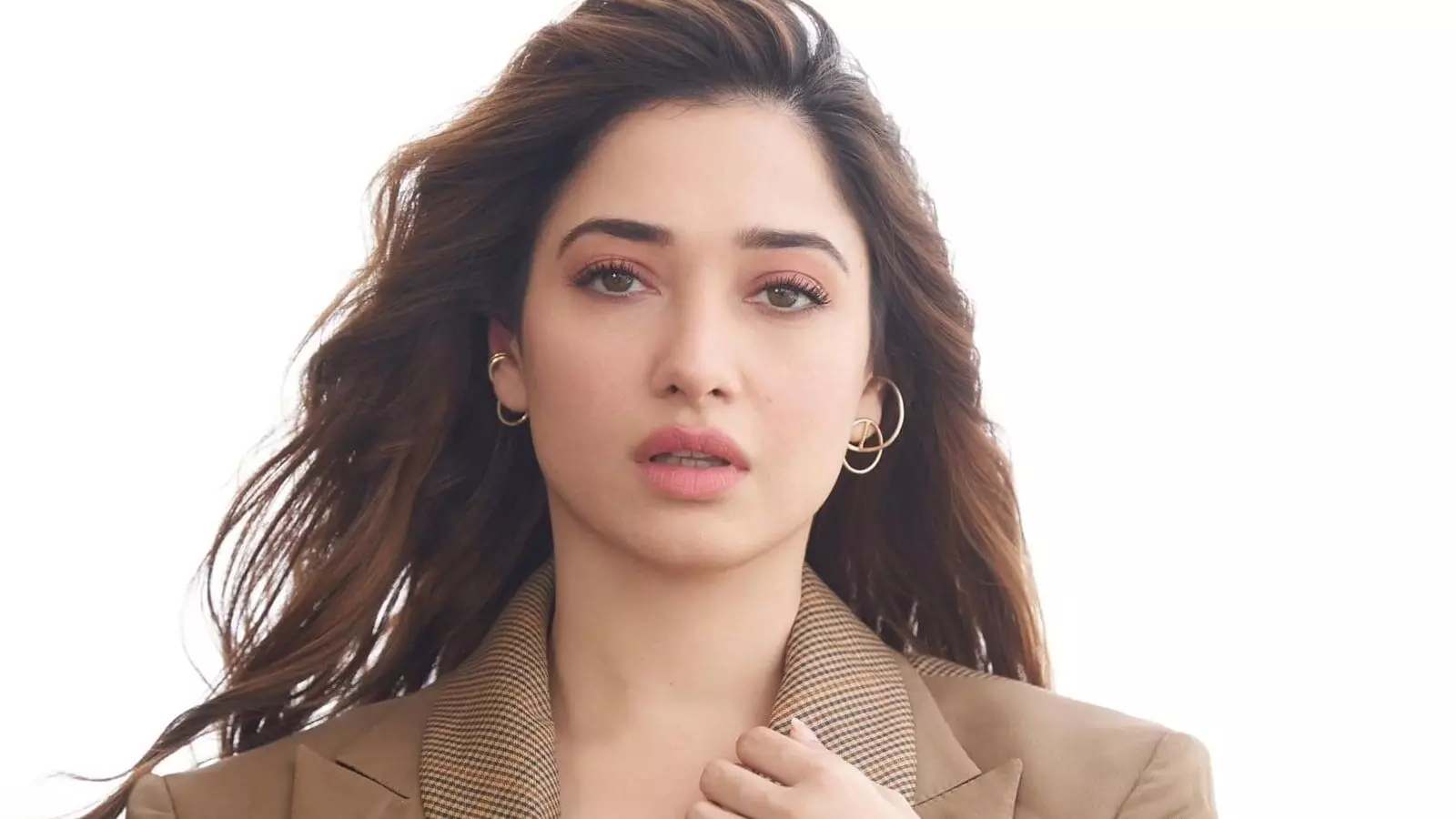
Tamannaah Bhatia has been a familiar face in Indian cinema for nearly two decades, with a body of work spanning multiple languages and now, digital platforms. In her latest project, the web series Do You Wanna Partner, she steps into a role that’s both bold and refreshing — playing a woman launching a beer startup, taking on a space that’s long been seen as a man’s world.
In a candid conversation with Hindustan Times, Tamannaah reflects on how the show parallels real life, particularly the gender biases women face when they enter male-dominated industries. “People like it when women are seen, but they don’t want to hear them,” she says. “They’re okay if a woman is just present — visually — but not when she has something intellectual or substantial to contribute.”
The series includes a moment where a vendor questions whether the lead characters’ families approve of their choice to enter the alcohol business. That scene hit close to home for Tamannaah, who says she has faced similar judgment — not just for her roles, but for being a woman who voices her opinions. “There’s always been this ‘ache ghar ki ladkiyan’ (good girls don’t do this) narrative. I’ve faced it while acting, especially when I did dance numbers. There’s this mindset of ‘you look good, that’s enough — why are you sharing your thoughts?’”
Yet, despite these challenges, Tamannaah says she’s always viewed herself first and foremost as a human being, not letting gender stereotypes define her. “I heard all those things, but I didn’t let them affect me,” she adds.
She credits the team behind Do You Wanna Partner — especially directors Archit Kumar, Colin D'Cunha, and producer Somen Mishra — for creating an environment where she and co-star Diana Penty could bring their authentic voices into the storytelling. “We weren’t just performing lines. We had a say in how our characters would respond, what they would feel. That kind of collaboration is rare, and it made a real difference,” she says.
For Tamannaah, the series isn’t just another role — it’s part of a larger conversation about representation, agency, and the freedom for women to be more than just a presence on screen.