Decade After NGT Ban, Meghalaya's Rat-Hole Mines Continue Claiming Lives: Over 150 Deaths and Counting
February 5 blast kills 18 in East Jaintia Hills; illegal "blood coal" trade persists despite judicial orders, enforcement drives, and mounting body count

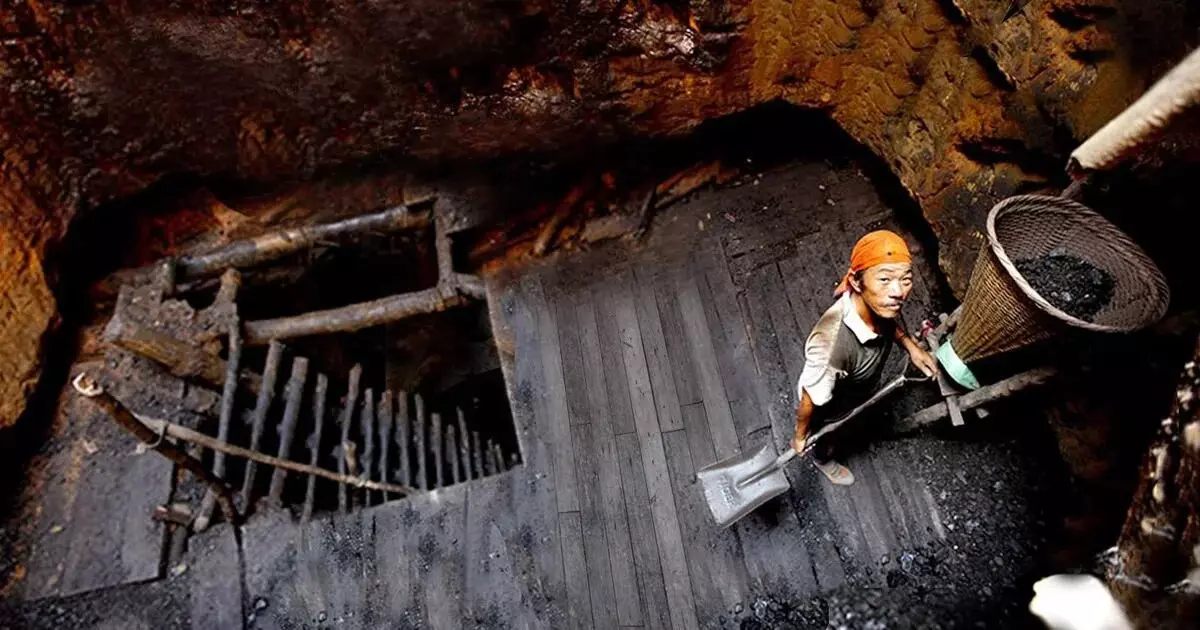
Despite a blanket ban imposed by the National Green Tribunal in 2014, rat-hole mining in Meghalaya remains a relentless humanitarian and environmental catastrophe. The latest tragedy—an explosion that killed 18 miners on February 5, 2026—underscores the grim reality that illegal operations continue unabated in the state's remote hills, claiming hundreds of lives while authorities struggle to enforce the decade-old prohibition.
The deadly blast at Thangsko in East Jaintia Hills has once again exposed the chasm between judicial mandates and ground realities in India's coal-rich northeastern state.
The February 5 Disaster
On Thursday morning, a massive explosion ripped through an illegal rat-hole mine in the Mynsyngat area of Thangsko, East Jaintia Hills. Preliminary investigations suggest the blast was caused by unscientific and illegal use of dynamite to break through hard rock within narrow tunnels.
At least 18 miners were confirmed dead, with most victims believed to be migrant laborers from neighboring Assam. One miner suffered severe burns. Rescue operations by NDRF, SDRF, and police were hampered by the remote, off-road terrain.
The Meghalaya High Court has taken suo motu cognizance, calling it a "grave administrative lapse" and summoning the Deputy Commissioner and Superintendent of Police of the district to appear in person on February 9 to explain the enforcement failure.
A Grim Timeline of Deaths
Because these operations occur illegally in remote, unmapped areas, no official census captures every fatality. However, documented major incidents reveal a disturbing pattern:
Year | Location | Deaths | Cause |
2012 | South Garo Hills | 15 | Flooding (miners drowned) |
2014 | Garo & Jaintia Hills | 8+ | Collapses/Drownings (triggered NGT ban) |
2018 | Ksan, East Jaintia Hills | 15-17 | Massive flooding (rescue lasted months) |
2021 | Umpleng, East Jaintia Hills | 6+ | Flooding/150-foot fall |
2024 | Shallang, West Khasi Hills | 2 | Oxygen deprivation/Cave-in |
2025 | Thangsko area | 4 | Dynamite blast (December 23) |
2026 | Thangsko, East Jaintia Hills | 18 | Explosion (February 5) |
Activists estimate that hundreds of undocumented deaths occur in smaller incidents never reported to police. Since 2012, nearly 150 deaths have been recorded in major incidents alone, with the actual toll believed to be significantly higher.
Why the Ban Has Failed
The 2014 NGT prohibition was meant to end the dangerous practice of sending workers into narrow, horizontal tunnels barely large enough for one person to crawl through. Yet eleven years later, the "blood coal" trade thrives.
Economic Desperation: Daily wages of Rs 1,500-2,000 lure migrant workers from impoverished regions of Assam, Bihar, and Nepal into the deadly pits.
Remote Terrain: Mines operate in inaccessible hilltops where manual policing is nearly impossible.
Powerful Interests: Local "coal mafias" allegedly maintain political connections that shield operations from effective enforcement.
Weak Penalties: Until recently, penalties were insufficient to deter mine operators who profit enormously from illegal extraction.
Government Response and Prevention Measures
Following the February 5 blast, authorities have initiated multiple actions:
Immediate Legal Action:
- Two suspected managers/owners arrested
- FIRs filed under Bharatiya Nyaya Sanhita and Explosives Substances Act
- Meghalaya CM Conrad Sangma ordered comprehensive inquiry
Compensation Announced:
- Rs 3 lakh per deceased family from state government
- Rs 2 lakh from PM's National Relief Fund
- Rs 50,000 for injured workers
Technological Surveillance:
- Mining Surveillance System using satellites to detect ground disturbances
- Drone deployment to monitor remote hilltops
Legislative Reforms:
- Draft MMDR Amendment 2026 proposes categorizing illegal mining as a strategic security threat
- Severe federal penalties and permanent property seizure for coal mafias under consideration
Judicial Oversight:
- High Court-appointed Katakey Committee continues monitoring environmental restoration
- Recommendations to seal and dismantle abandoned mines with concrete walls
The Enforcement Gap
Despite over 2,000 cases filed in recent years, joint patrols, task forces, and high-security challans, enforcement gaps persist. The remoteness of mining areas, combined with the involvement of powerful local interests, has rendered the ban largely ineffective.
The recurring tragedies raise uncomfortable questions: How does an industry officially banned for over a decade continue operating with such deadly regularity? Why do migrant workers continue risking their lives in tunnels that have claimed so many before them?
Assam's Stake in the Crisis
Most victims in Meghalaya's illegal mines are migrant workers from Assam, particularly from economically weaker districts like Cachar. Following the February 5 blast, Assam CM Himanta Biswa Sarma announced Rs 5 lakh compensation for families of identified Assam workers.
The cross-border nature of this crisis—with coal extracted in Meghalaya using labor from Assam—complicates enforcement and compensation efforts while highlighting the desperate economic conditions that drive workers into deadly mines.
A Ban in Name Only
Eleven years after the NGT prohibition, Meghalaya's rat-hole mines remain operational graveyards. Each explosion, each flooding, each cave-in adds to a body count that continues rising despite court orders, government drives, and mounting public outrage.
Until the economic incentives driving both mine operators and desperate workers are addressed—alongside genuine enforcement of existing laws—the "blood coal" of Meghalaya will continue claiming lives, making a mockery of the 2014 ban that was supposed to end this deadly trade.