Diplomacy Deferred: Modi’s ASEAN Absence and the Shadow of Trump’s Pakistan Claims
PM Modi’s absence from the ASEAN Summit sparks speculation over avoiding a face-off with Donald Trump amid tensions on Pakistan and trade issues.

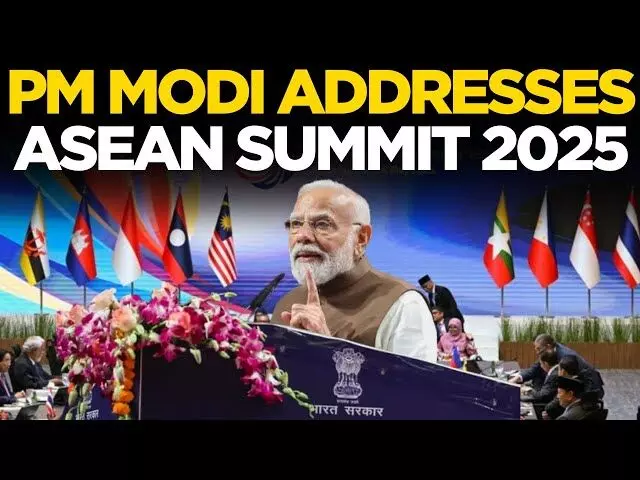
Prime Minister Narendra Modi’s decision to skip the ASEAN Summit in Kuala Lumpur and deliver a virtual address has triggered speculation, criticism, and political commentary. At the heart of the controversy is a Bloomberg report suggesting that Modi’s absence was a strategic move to avoid a face-to-face encounter with US President Donald Trump, particularly over the contentious issue of Pakistan. The timing, optics, and underlying tensions between New Delhi and Washington have turned what might have been a routine diplomatic engagement into a flashpoint of geopolitical and domestic scrutiny.
Since 2014, Modi has attended every ASEAN leaders’ summit, barring the virtual editions during the pandemic and one exception in 2022. His absence this year is therefore conspicuous, especially given his reputation for active global diplomacy. The Bloomberg report, citing sources familiar with the matter, claims Indian officials were concerned Trump might publicly reiterate his claim of mediating a ceasefire between India and Pakistan following a four-day armed conflict in May. While India has consistently denied any such mediation, the possibility of Trump making provocative statements in person was deemed politically risky—particularly with the Bihar elections looming.
The deterioration in India-US relations since the Pakistan conflict adds weight to this narrative. In August, Trump imposed a 50% tariff on Indian exports, reportedly as a penalty for India’s continued purchase of Russian oil. Trade negotiations have since stalled, with no clear resolution in sight. A phone call between Modi and Trump last week reportedly failed to meet New Delhi’s expectations, further diminishing the incentive for a bilateral meeting in Malaysia. The Ministry of External Affairs has remained silent, declining Bloomberg’s request for comment, which has only fueled speculation.
Congress leader Rahul Gandhi seized on the report to launch a scathing attack on Modi. In a post on X, he accused Trump of insulting Modi “in country after country,” citing recent remarks made in South Korea and Tokyo. According to Gandhi, Trump claimed he used trade threats to pressure Modi into halting Operation Sindoor and boasted that seven planes were shot down during the conflict. Gandhi’s jibe—“Don’t be scared Modi ji, find the courage to respond”—underscores the political vulnerability that such international statements can create for the Prime Minister.
Trump’s penchant for dramatic claims and self-congratulatory narratives is well documented. His assertion that he deserves a Nobel Peace Prize for “resolving that conflict and others” adds a theatrical layer to the diplomatic tension. His visit to Kuala Lumpur included the signing of a peace accord between Thailand and Cambodia, further amplifying his image as a global peacemaker—an image that India appears reluctant to validate, especially in the context of its own regional conflicts.
The strategic calculus behind Modi’s virtual participation is not without precedent. Avoiding a potentially volatile interaction with Trump, especially one that could be exploited by domestic opponents, aligns with the BJP’s electoral priorities. With the Bihar elections set to begin next week, any controversial remark from Trump—particularly about Pakistan—could derail the campaign narrative. Modi’s team reportedly saw little to gain from a bilateral meeting in Malaysia, preferring to maintain diplomatic distance until trade talks yield more favorable outcomes.
Yet, this diplomatic deferral raises broader questions about India’s foreign policy posture. Is strategic avoidance a sustainable tactic in an increasingly interconnected and unpredictable global arena? Can India afford to sidestep uncomfortable conversations with major powers, especially when economic and security interests are at stake? The ASEAN summit, traditionally a platform for regional cooperation and strategic dialogue, became a missed opportunity for India to assert its position and counter any misrepresentation directly.
The silence from the Ministry of External Affairs and the absence of a clear rebuttal to Trump’s claims leave a vacuum that domestic critics are eager to fill. Rahul Gandhi’s remarks reflect a growing frustration with what is perceived as a lack of assertiveness in India’s diplomatic engagements. The Opposition’s narrative—that Modi is avoiding confrontation and allowing foreign leaders to shape the discourse—could gain traction if not addressed with clarity and confidence.
Looking ahead, Modi is expected to attend the G20 Summit in Johannesburg next month, where he will have face time with several global counterparts. A meeting with Trump remains possible, contingent on progress in trade negotiations. Whether that encounter will be marked by reconciliation or further tension remains to be seen. What is clear, however, is that the ASEAN episode has exposed the fragility of India’s diplomatic balancing act and the political risks of global entanglements.
In an era where international statements reverberate instantly across domestic landscapes, strategic silence can be as consequential as vocal diplomacy. Modi’s virtual address may have avoided immediate controversy, but it also signaled a retreat from direct engagement at a time when clarity and courage are most needed. As India navigates its place in a shifting global order, the lessons from Kuala Lumpur will linger—reminding us that diplomacy, like politics, abhors a vacuum.