The City of White Lions is Now Changing Its Destiny Bihar Elections Leave Their Mark on Madhya Pradesh
Rewa, once known for crime and politics, is emerging as a hub of education and industry. Bihar polls add new political energy to Madhya Pradesh’s heartland
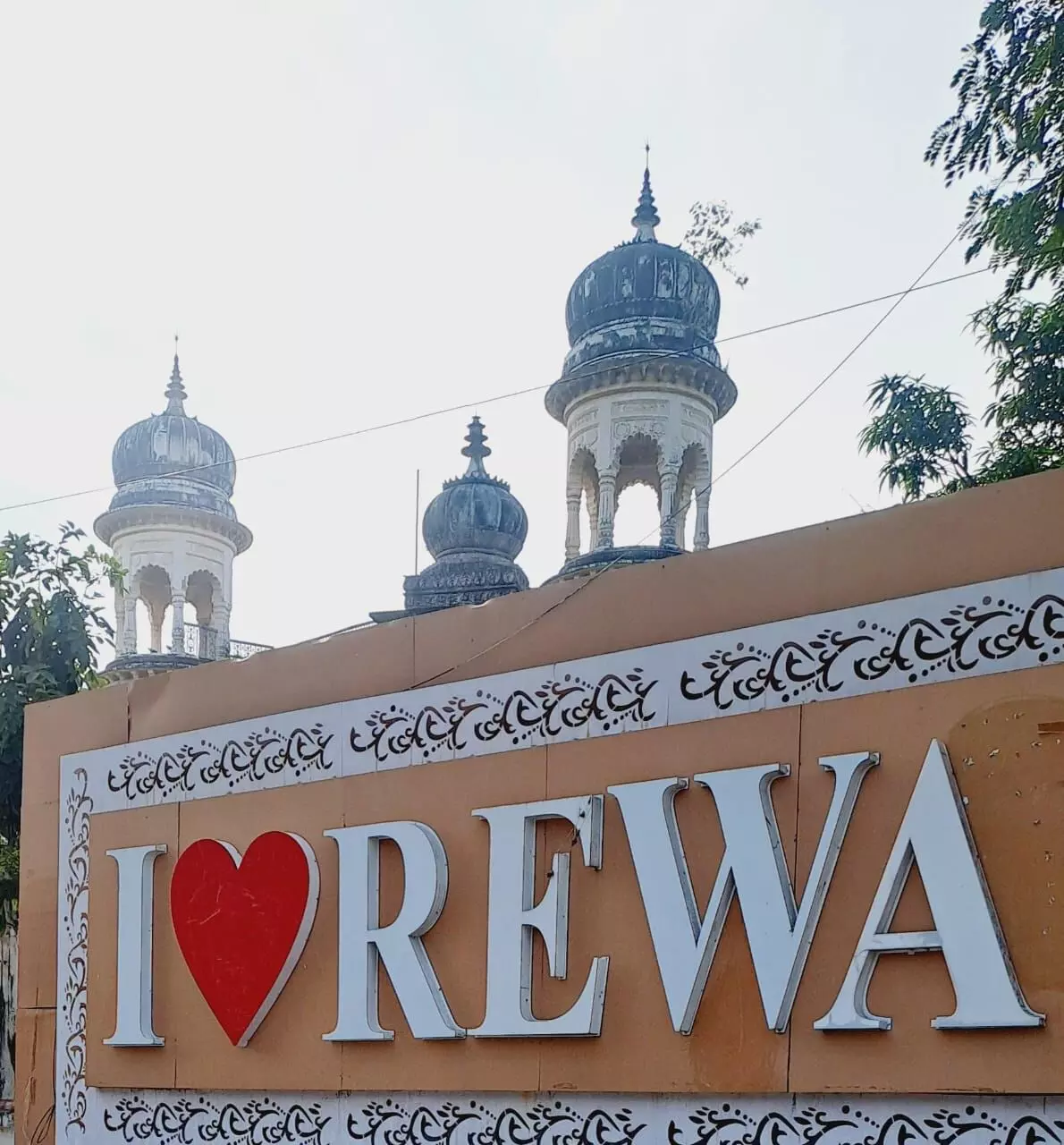
Rewa — once known as the bastion of Srinivas Tiwari — is now emerging as the city of Rajan Shukla.
The stronghold of a former Speaker of the Madhya Pradesh Legislative Assembly is gradually transforming into the power centre of the Deputy Chief Minister. Once infamous for its crime record, the City of White Lions is now roaring against criminals. Once a dynastic battlefield of politics, Rewa is taking confident strides toward becoming a new Nalanda of education.
November 2025 marks a new chapter in the literary, educational, and political growth of Rewa.
The first week of the month has brought an unusual intellectual energy to the city. At A.P.S. (Awadhesh Pratap Singh) University, hundreds of aspiring research scholars from Madhya Pradesh, Uttar Pradesh, Delhi, Haryana, and several other states have gathered to seek admission into Ph.D. programmes. This influx clearly signifies that Rewa is fast emerging as a national hub of higher education.
The Rewa Centre of Makhanlal Chaturvedi National University of Journalism and Communication has further added to the city’s growing academic reputation, making it a recognized destination for media and communication studies.
Meanwhile, the ongoing Bihar Assembly elections have begun to influence Rewa’s political and media circles. Local news outlets are giving prominent coverage to the Bihar polls. The first phase of voting, held on November 6, has already generated lively debate within Madhya Pradesh’s media community.
From national parties to Prashant Kishor’s Jan Suraaj Party, every development in Bihar is resonating across Rewa’s newsrooms. Political observers in Madhya Pradesh are closely tracking the electoral trends emerging from Bihar’s two phases of voting. As history shows, the results of Bihar elections often cast ripples across West Bengal, Uttar Pradesh, Jharkhand, Chhattisgarh, and Madhya Pradesh — influencing not only policy but also political narratives.
The cultural and literary pulse of Rewa is equally vibrant. From the Akhil Bharatiya Sahitya Parishad to smaller literary and cultural groups, activities are visibly on the rise. The legacy of Vidyanivas Mishra and Kamla Prasad is now inspiring a new generation of writers and thinkers, paving a literary staircase for the future.
The Rewa of 1997–98 is now a transformed Rewa of 2025–26 — more aware, more active, and ready for accelerated development. Cleanliness across the city, from the railway station to the university, shows notable improvement, though much remains to be done.
The growing pace of traffic demands better civic organization, while heritage buildings and monuments await their restoration. Museums and libraries, too, look forward to a modern revival.
In the realm of industry — especially micro, small, and medium enterprises (MSMEs) — lies the potential to redefine the economic destiny of Rewa, Satna, Sidhi, and Shahdol. With coordinated efforts from the Central and State Governments, industry associations, educational institutions, and local administrations, the region can soon gain a new industrial identity.
But for that to happen, public representatives, district industry centres, and the MSME–DFO must take the lead. The youth need strong encouragement and support to develop innovative ideas and start-ups across the divisional belt. Sustainable change in both urban Rewa and its rural hinterlands will require well-planned, long-term development strategies.
If this collective awakening continues, the “City of White Lions” may not just rewrite its destiny — it may well redefine the developmental narrative of Madhya Pradesh itself.