Punjab Acts to Bring Women Out of the Shadows of Addiction
Punjab government launches programme to provide integrated care for women struggling with addiction.

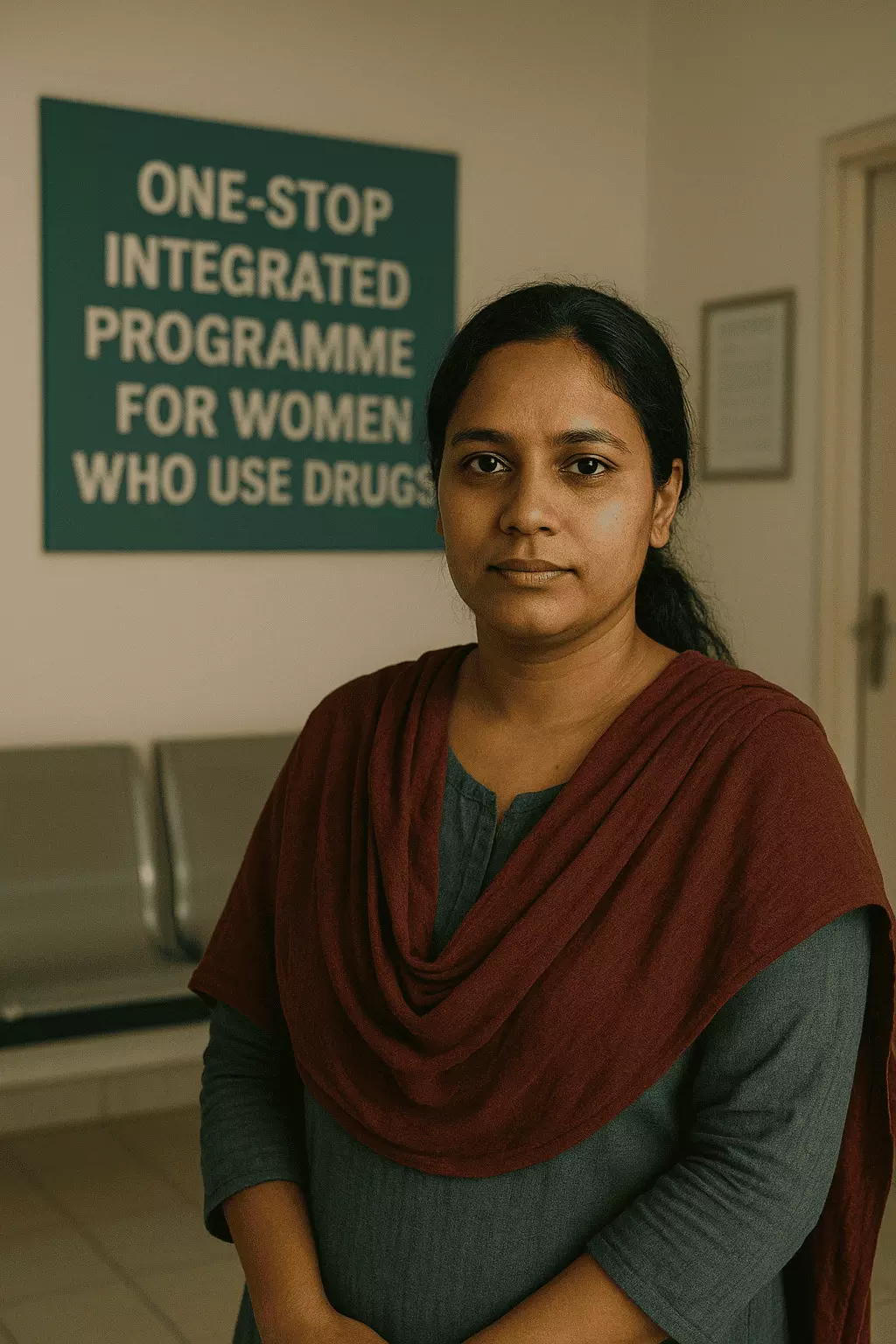
Chandigarh :The Punjab government has moved to confront a stark and unsettling fact: despite thousands of women struggling with substance use, only about three percent of them are currently enrolled in treatment programmes, leaving the vast majority without formal care or support.
To address this, the state has launched the One-Stop Integrated Programme for Women Who Use Drugs, piloted in Kapurthala and Amritsar. The initiative brings together medical and gynaecological care, antenatal services, harm reduction measures, testing and treatment for infectious diseases, counselling, and links to social-security schemes, all in a single, stigma-aware setting.
Punjab has long been at the centre of India’s drug-dependence crisis. Surveys have estimated around 2.3 lakh opioid-dependent individuals in the state, with another 8.6 lakh categorised as occasional users. While men dominate these statistics, health officials acknowledge that women face disproportionately higher risks of health complications and stigma, factors that have historically kept them invisible in de-addiction campaigns.
Government data from Kapurthala shows promising early results. A total of 241 women have registered under the programme, with 81 referred to Outpatient Opioid-Assisted Treatment clinics and 80 connected to social security schemes. Of the four pregnant women enrolled, three delivered healthy babies after receiving antenatal monitoring and care. Officials emphasise that these results show how integrated services can directly improve both health and social outcomes.
Launching the initiative, Punjab Health Minister Dr. Balbir Singh underlined the government’s commitment to a compassionate, treatment-first approach. “Addiction is a disease, not a crime. Our responsibility is to provide victims with treatment, skills, and dignity,” he said.
Special DGP Gurpreet Kaur Deo, who leads the Community Affairs Division of Punjab Police, highlighted that women had previously been almost absent from de-addiction efforts due to stigma. The collaboration between the health and police departments, she said, aims to break down barriers by combining medical care with community outreach.
The government has confirmed that the Kapurthala and Amritsar centres will act as training and replication hubs for a statewide rollout. This expansion will embed the same one-stop, gender-sensitive model in all districts, ensuring that women who were once left behind are given a pathway to recovery.
By directly addressing both stigma and access, the two biggest barriers women face, Punjab has taken a decisive step toward inclusivity in its fight against substance abuse.