2025 Marks Turning Point in India’s Fight Against Child Marriage, Hope Rises for a Just 2026
As the Just Rights for Children campaign gains nationwide momentum, civil society groups and the Centre pledge to make one lakh villages child-marriage-free, signalling that India has finally stopped looking away from this crime.
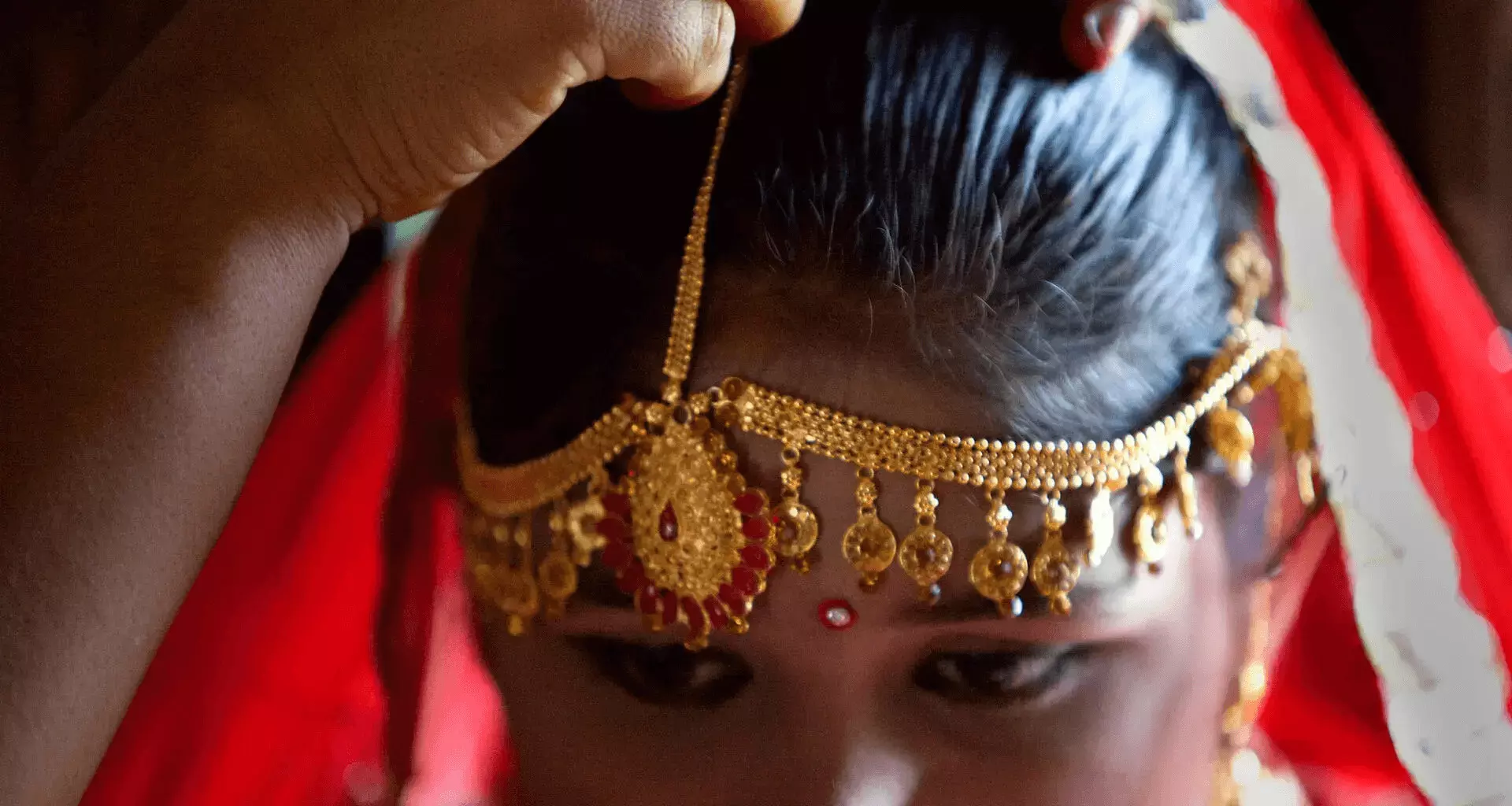
The year 2025 has come to an end. Yet another year has wrapped up, but the 12 months this year brought with them hope, cheer, and a promise. At least for the children who are awaiting justice, or have lived with the looming dangers of injustice and apathy, this year definitely brought some good news. And the hope of a better 2026.
Child marriage, which till a few years ago was an inherent part of the country’s fabric, is slowly being shredded in threads. Year 2025 has been pivotal in this shift, and when history studies the beginning of the end of child marriage in India, these 365 days would be marked as pivotal and the year “when India finally stopped looking away from this crime of child marriage.”
Look at the 365 days closely, and December 4 would definitely be the day when it made the shift and laid the groundwork for the next year. On this day, as the rest of the world continued their daily businesses, over 250 civil society organisations, as partners of Just Rights for Children (JRC), stood together in New Delhi’s Vigyan Bhawan and pledged to make one lakh villages free from child marriage. In the presence of Union Minister for Women and Child Development Annpurna Devi, the JRC founder Bhuwan Ribhu promised to continue working in tandem with the government, law enforcement agencies, and said, “Next year, together we pledge to make one lakh villages child marriage free so that every child has opportunities and a secure future. This momentum matters as India moves toward the larger vision of a Viksit Bharat.”
The day was to mark the one year of the Government of India’s ‘Bal Vivah Mukt Bharat’ campaign, but it was not a mere celebration of the past. It was the promise of the future and a promise to all the children of the country that their childhood would not be snatched away from them, nor would their lives be subjected to abuse and deprivation in the guise of a custom.
That day, as the government’s commitment stood together with the strength of civil society organisations, the message was loud, clear, and urgent: India was not going to stay silent anymore as child protection was no longer optional. In that moment, the fight shifted from intention to inevitability.
India must believe in the promise that JRC made that day. After all, the promise stemmed from their experience, past successes, and a strategy that had worked so far. The network partners working in over 451 districts across India have already stopped over 1,95,000 marriages since January 2025. Such a huge number of child marriages have never been stopped in a year in the past, but 2025 saw this feat. This wasn’t all. Over 7 lakh girls returned to schools, and over 19 lakh vulnerable and economically weaker families were linked to government welfare schemes. Each of these seemingly different achievements is cementing towards child marriage free India by 2030.
As per the National Family Health Survey V (2019-20), the prevalence of child marriage stood at 23.3 percent. Meanwhile, a huge disparity remained in some states, such as West Bengal and Bihar, where the prevalence is over 40 percent. Moreover, many districts in other states show huge disparity between these rates, and these districts are what Just Rights for Children plans to intervene in.
So the one lakh villages include 15 districts with a rate of over 50 percent, 45 districts with over 40 percent, and 95 districts with over 30 percent prevalence of child marriage. Besides these, the districts that are close to the national average or have been classified as highly vulnerable, with a strong likelihood of further deterioration without urgent intervention, have been included in the list.
The one lakh villages chosen from across the country include 41 districts in Uttar Pradesh, 39 in Madhya Pradesh, 38 in Bihar and Rajasthan each, 30 in Assam, 26 in Andhra Pradesh and Telangana, 25 in Odisha, 24 in Jharkhand, 23 in West Bengal, and 11 in Delhi.
The road to 2030 is still long, uneven, and fraught with resistance. But the hardest shift has already taken place. India has decided that child marriage is no longer negotiable. And once a country makes that decision in unison, there is no turning back.