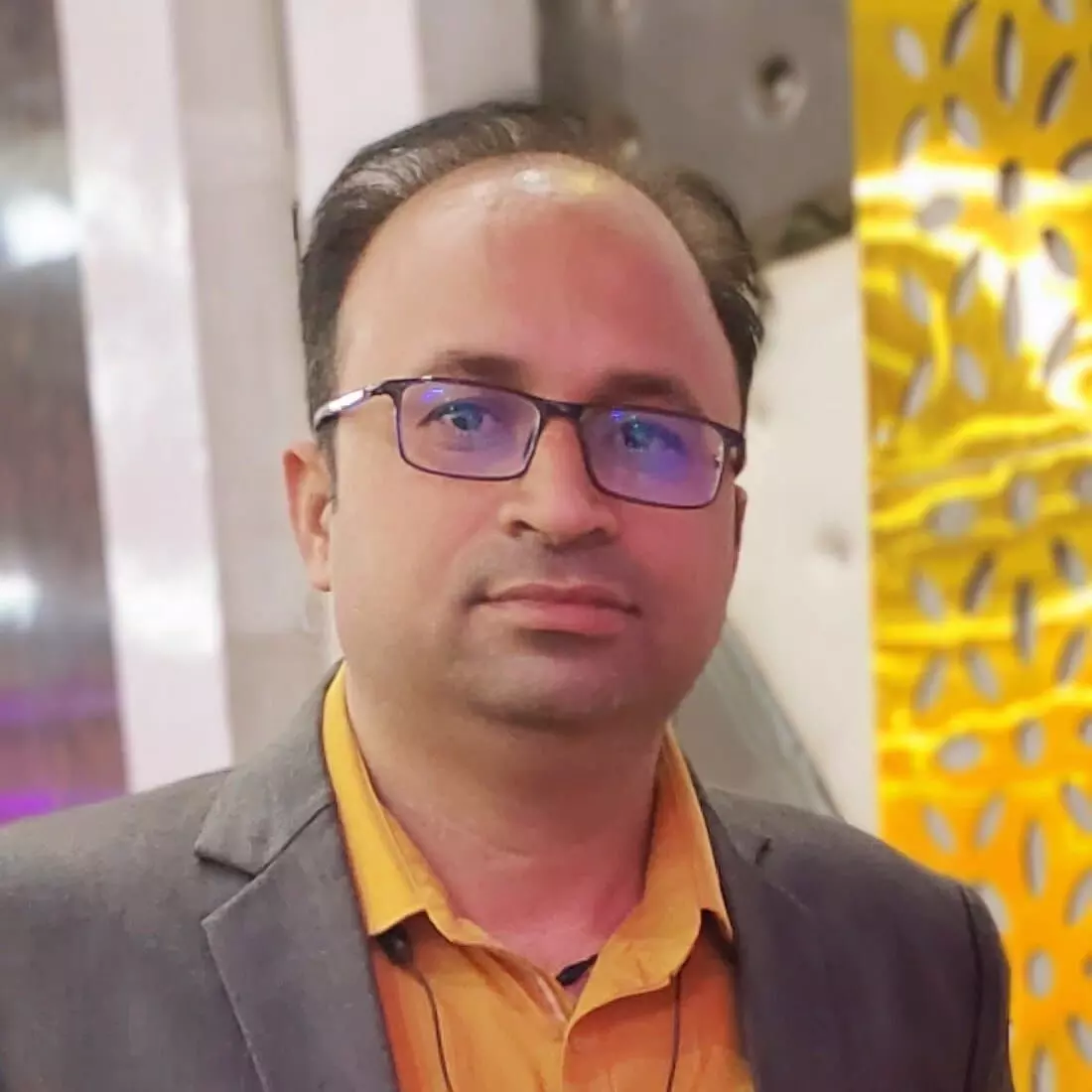
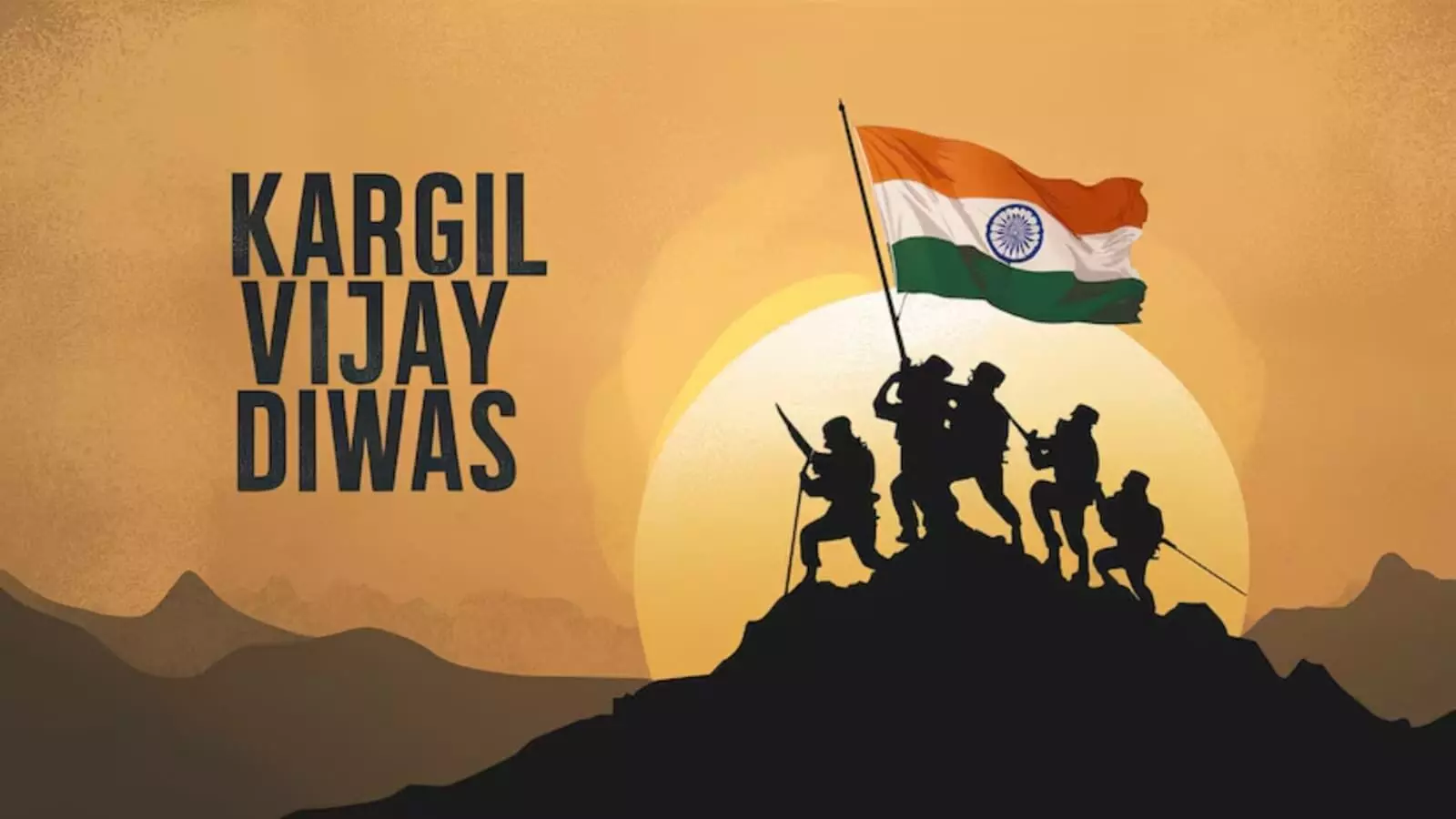
A Tribute on Vijay Diwas
With war cries of "Victory to Raja Ramchandra!", our soldiers climbed Tiger Hill and drove the Pakistanis away.
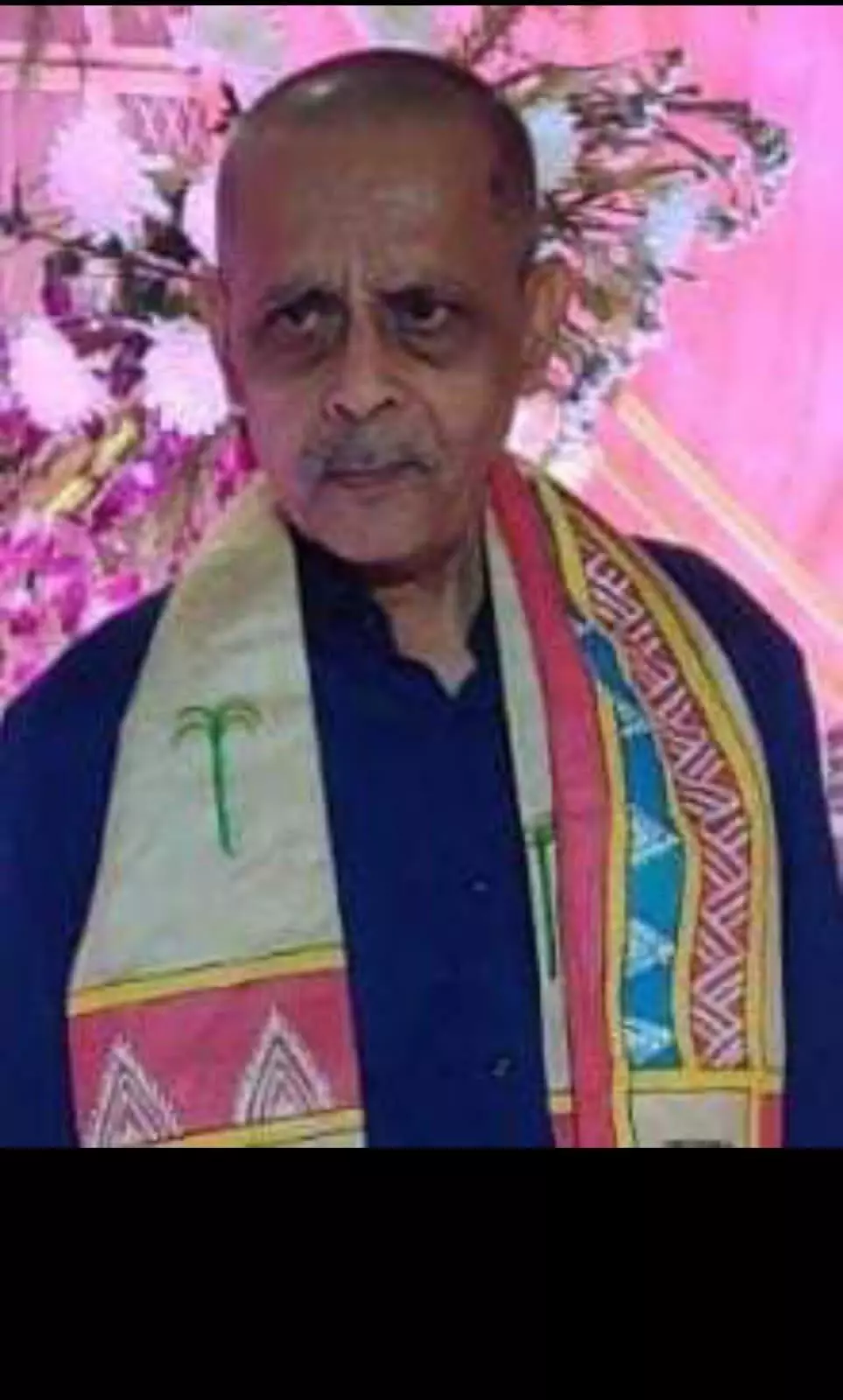
As a journalist, covering the Kargil War was a once-in-a-lifetime experience. The Indian Army’s 15 Corps had granted us permission to enter the war zone. It was my professional fortune to have been transferred from Bhopal to Srinagar as a Special Correspondent for The Times of India on 8 December 1998.
Compared to Bhopal, Srinagar was bitterly cold — the minimum temperature was around –8°C. For the first time, I saw a kangri (a traditional Kashmiri firepot) fitted with a cooking gas cylinder and had to sleep with an electric blanket. Within just six months, war broke out between India and Pakistan.
We received written permission from 15 Corps at Badami Bagh Cantonment to access the conflict zone.
After breakfast at an army camp in Sonamarg, we were cleared to move toward the war zone from Jhumra Morh, eventually reaching Drass by afternoon—the second coldest inhabited place in the world. We crossed Zoji La Pass, about 12,000 feet above sea level. For the first time, we saw hundreds of Bofors guns lined up on the southern edge of NH-1A (the highway connecting Ladakh and Srinagar), with thousands of spent shells scattered all around.
Troops and officers from the 8th Mountain Division and 8 Grenadiers were holding their ground at the front lines, advancing with the battle cry "Raja Ramchandra ki Jai". Many were from the Rajputana Rifles Battalion.
After sunset, shelling intensified. We were sheltered in a few bunkers.
One could clearly see a parallel telephone network laid by the Pakistani army in Drass, indicating local support from collaborators. The Drass Circuit House had also been destroyed in enemy shelling.
We saw two burned-out oil tankers on NH-1A — direct evidence of Pakistani shelling.
At the Kargil Circuit House, a local MLA and the state's Tourism Minister had tea with us and pointed out enemy troop movements on the snow-covered hills using snow scooters. The war was in full swing, and all hotels and restaurants near the bus stand were closed — except Hotel Zoji La, where we stayed. Hotel Kargil had already suffered damage in the shelling. Even the SP's residence had been hit, forcing the District Commissioner to shift to a guest house.
Only one roadside dhaba, run by a Sikh man, remained open — serving just rice, lentils, and onions.
The only means of communication was an STD phone booth, open for a few hours a day. Journalists sent their reports by fax from there, and soldiers made emotional last calls to their families before marching into the mountains.
Whenever shelling started, the booth would shut down, and everyone was instructed to stay in the bunkers.
One evening, I met a soldier from Buxar, Bihar, who was scheduled to leave for the front the next morning. He hadn’t been able to call his family, so he handed me their phone number and requested I tell them he was safe.
Each evening felt like Diwali — bright lights and loud explosions from both Indian and Pakistani sides filled the sky.
Once we entered the war zone around Sonamarg and Kargil, there was no easy way out. Roads to Leh and Srinagar were closed. Daily briefings happened in Drass, but once we reached Kargil, we relied on local army units or officers for updates.
Around that time, horrifying reports came in from the Batalik sector, where Indian soldiers and officers were brutally killed.
Then-Prime Minister Atal Bihari Vajpayee, along with a multi-party parliamentary delegation that included Defense Minister George Fernandes and Mamata Banerjee, visited the forward areas to boost morale among troops and officers.
On our way back from Kargil after the ceasefire, we received news in Drass about the martyrdom of officers we had met days earlier—men who had shared information, shaken our hands, and smiled warmly as they saw us off.
Two Unfortunate Incidents During the War
1. A female reporter from a national TV channel, eager for an exclusive story, lit up a bunker at night for filming despite objections from a brigadier. Within moments, Pakistani shelling targeted that exact location. Significant damage followed. The Defense Ministry later forced the channel to issue a public apology.
2. In another distressing incident, the head of the Drass Panchayat filed a written complaint with the Kargil SP, alleging that eight soldiers had sexually assaulted his wife. The SP forwarded the complaint to a brigadier, requesting the accused be presented for questioning. Even the Kashmir IGP was informed. But, in the name of national interest, the matter was ignored—until The Times of India published the SP’s complaint. The next day, the brigadier himself brought the soldiers to the SP, ordered a formal inquiry, and later, court-martial proceedings followed.
An Honorable First: The Return of Martyrs
For the first time in India's military history, the mortal remains of fallen soldiers and officers were returned wrapped in the national flag in coffin boxes and sent to their homes via special aircraft. These coffins were made at Badami Bagh Cantonment in Srinagar.
Such a dignified arrangement had never been seen during the wars of 1962, 1965, or 1971.
This experience remains etched in my memory — the courage of our soldiers, the grit of the locals, and the raw emotions of war. On this Vijay Diwas, we salute those who fought and fell for our nation — and those who told their stories.