Assam 2026 — Redrawn Seats, Restless Youth

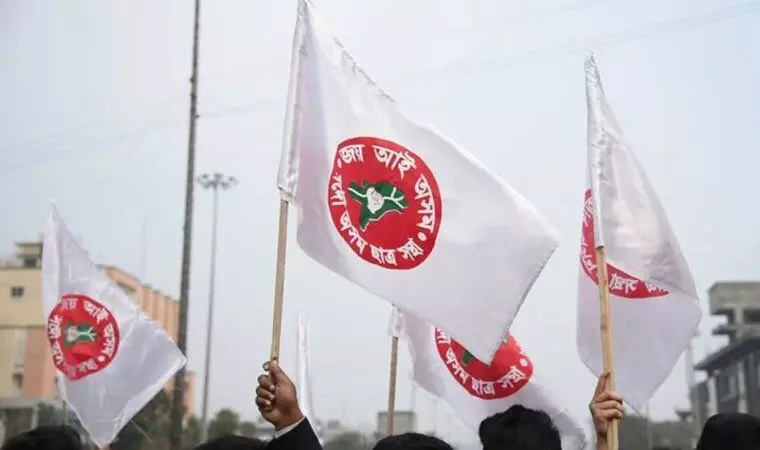
Assam’s politics in 2025–26 continues to circle back to its oldest and most contentious fault line: illegal immigration. Student protests led by NESO and AASU, demanding that the Bangladesh border be sealed and “outsiders” deported, revive memories of the 1979–85 Assam Agitation. Back then, the word used was “Bangladeshis.” Today, the phrase has been rebranded as “Unknown People.”
Chief Minister Himanta Biswa Sarma (HBS) has made this recalibration his own. By reframing the issue as one of “law and order” rather than ethnic threat, he has both nationalised the debate and aligned it with the BJP’s broader security narrative. The playbook remains the same; only the stage lights have changed.
The 2023 delimitation has redrawn Assam’s electoral battlefield. While the Assembly strength remains 126, the number of reserved constituencies has risen—19 for Scheduled Tribes and 9 for Scheduled Castes. Minority-dominated seats, meanwhile, were reshaped in ways that alter political equations:
The NDA stands to gain in tribal belts and the Bodoland Territorial Region (BTR), with the UPPL emerging as a pivotal ally.
The Congress and AIUDF risk losing ground in squeezed minority constituencies unless they strike tactical alliances.
Urban Guwahati and Upper Assam have turned into unpredictable battlegrounds, where identity clashes with governance and jobs.
The net effect: Assam’s political centre of gravity has shifted away from the Brahmaputra Valley’s dominance toward tribal and urban regions—terrain where the BJP exudes confidence.
While immigration dominates the headlines, unemployment fuels the undercurrent of anger. Assam has one of the highest educated jobless rates in India. Recruitment delays, exam paper leaks, and the steady outmigration of youth to metros feed this resentment.
The Sarma government has sought to counterbalance this with what critics call “development optics”:
IIM Guwahati is showcased as a leap forward in education, though its reach is limited.
Eviction drives are pitched as land reclamation for “indigenous rights” but often double as demonstrations of state power.
Flyovers, smart city projects, and stadiums are promoted as symbols of progress, though they hardly dent the jobs crisis.
This dual strategy—identity for emotion, optics for visibility—delivers political returns in the short term, but leaves the structural unemployment challenge unresolved.
The Congress, AIUDF, and smaller regional outfits face structural disadvantages. Without tactical seat-sharing, splits in Muslim-majority belts will hand the BJP a decisive edge. NESO and AASU’s protests provide a rallying point, but unless reframed around employment, these agitations risk being dismissed as relics of the past.
Regional formations such as the AJP and Raijor Dal, born out of the anti-CAA movement, also confront a moment of truth: can they pivot beyond identity politics and build credibility on jobs, or will they remain marginal spoilers?
Advantage NDA: With delimitation arithmetic, BTR support, and identity politics in its favour, the BJP–AGP–UPPL alliance enters the contest ahead. Sarma’s personal popularity and grip on the narrative reinforce this advantage.
Close Contest: Should unemployment dominate—through scandals, delayed recruitments, or urban youth unrest—the opposition could regain ground, especially in Guwahati and Upper Assam.
Upset Corridor: A narrow but possible path exists if the Congress and AIUDF forge a full alliance, student protests sustain momentum, and a jobs-first message replaces identity at the opposition’s core.
Assam’s politics today resembles a fire smouldering under a blanket. Immigration remains the visible flame, kept alive by unions and amplified by the government. Yet the hidden blaze is unemployment—deeper, hotter, and potentially more explosive. If that blanket slips, Assam’s next agitation may not be about “outsiders” alone, but about a generation losing its future to joblessness.