BJP MP objects to ‘GAY’ code for Gaya airport; LGBTQ community pushes back

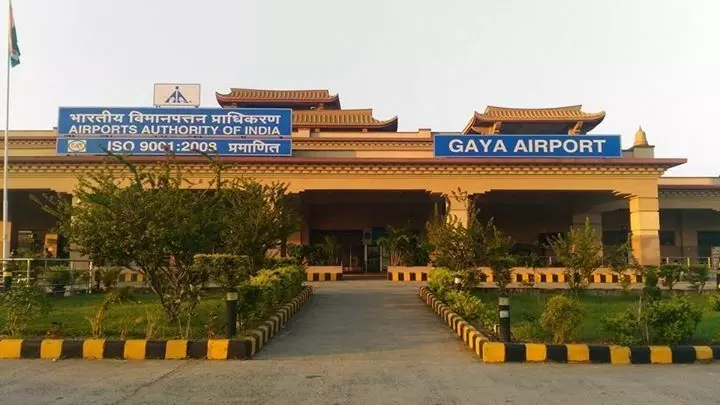
A BJP MP’s request to change the airport code “GAY” for Gaya International Airport has stirred backlash from LGBTQ activists, who say the move reflects bias rather than legitimate concern.
Rajya Sabha MP Bhim Singh from Bihar raised the issue in Parliament, calling the code “socially and culturally offensive” and questioning why it was still being used when, according to him, people find it “uncomfortable.” He asked whether the government would consider a more “respectful” alternative and sought a timeline for such a change.
However, the Ministry of Civil Aviation clarified that the code “GAY” — like all three-letter airport identifiers — is assigned by the International Air Transport Association (IATA), which rarely changes them. Minister of State for Civil Aviation Murlidhar Mohol said the codes are typically based on the location’s name and are considered permanent unless there’s a pressing safety concern.
“Air India had earlier approached IATA seeking a change,” Mohol noted. “But IATA responded that such codes are only altered in exceptional cases.”
**‘Offensive to whom?’ LGBTQ community responds**
Activists and advocates were quick to condemn Singh’s suggestion that “GAY” is offensive, arguing that the real issue is not the code — but the discomfort some feel with the word itself.
“The word is only offensive if you think LGBTQ people are offensive,” said Arvind Narrain, a long-time LGBTQ rights advocate. He pointed to the 2018 Supreme Court ruling that decriminalised homosexuality and affirmed queer citizens’ dignity and constitutional rights. “Personal morality cannot override constitutional morality. The MP owes the community an apology.”
Rajesh Srinivas, another LGBTQ activist, said the discomfort reflects social bias, not any cultural inappropriateness. “There is nothing wrong with the word. The fact that people are uneasy with it shows the lingering stigma.”
Mental health and diversity experts also weighed in. Shanmathi Senthil Kumar, a counselling psychologist, said Singh’s framing of the code as “unsafe” or “inappropriate” reveals a deeper problem.
“This is about more than an airport code,” she said. “Labeling the word ‘GAY’ as offensive reinforces harmful stereotypes. It sends a message that queer identities are something to be erased — and that’s a dangerous message to send from a public platform.”
Others, like psychotherapist Vidya Dinakaran, said moments like this should spark meaningful discussion, not avoidance. “If an MP truly wants to be inclusive, the answer is not to erase the word — it’s to understand why people fear it in the first place. Real progress comes from confronting stigma, not sweeping it under the rug.”
Despite Singh’s objections, it appears unlikely the code will change. And for many, the controversy highlights a larger conversation India still needs to have — not about airport codes, but about acceptance.