Dhurandhar Sparks Debate: Is the Film Inspired by Ashok Chakra Awardee Major Mohit Sharma?
Viewers believe the film mirrors the life of a real Indian spy, but makers deny it is based on Major Mohit Sharma—here’s the true story of the fallen hero.
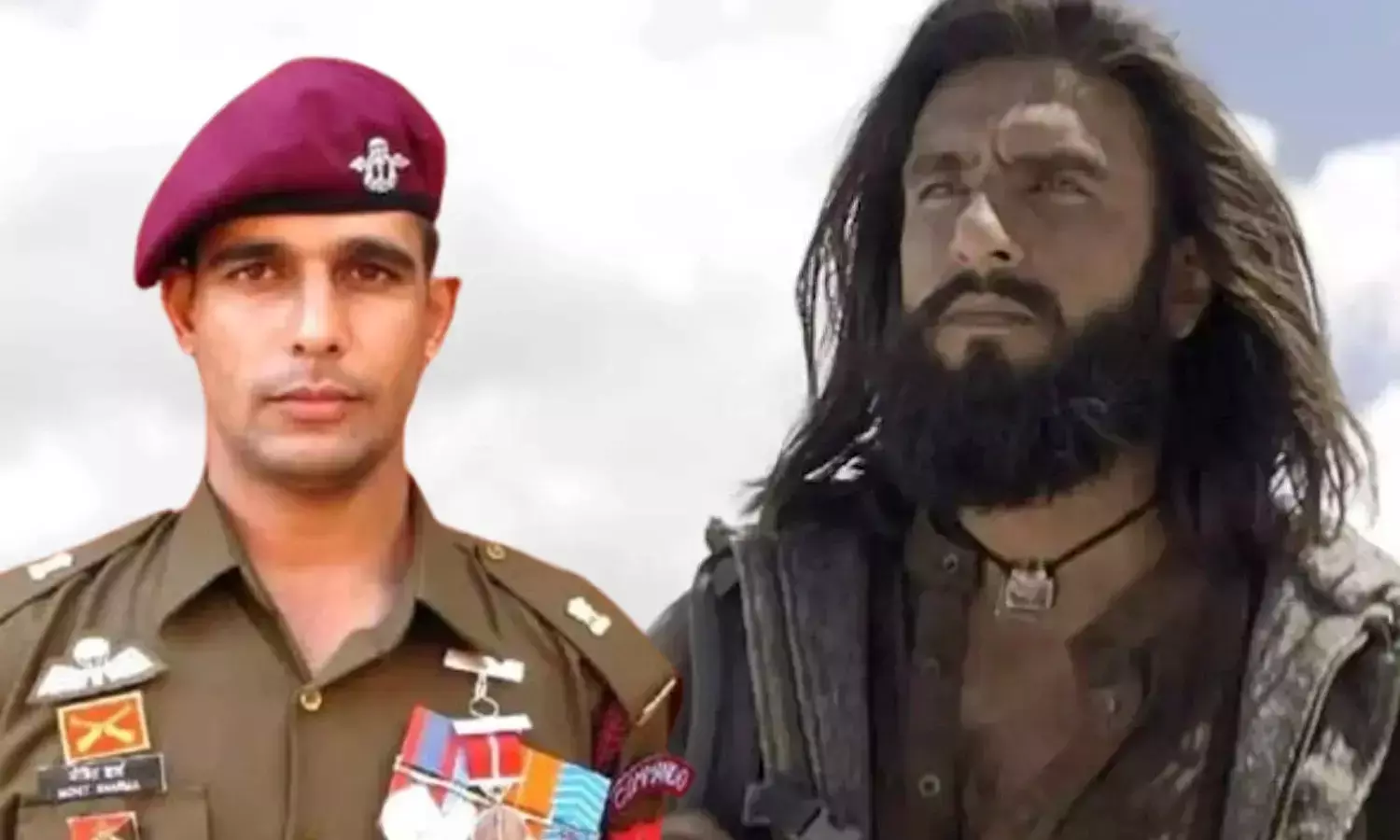
The film Dhurandhar, released in theaters on December 5th, is receiving widespread praise from audiences. People are connecting the film's characters to a real-life story, believing it to be based on a true account. Many believe the film depicts the story of a real Indian spy who worked in Pakistan, gathering intelligence for the Indian government.
People are claiming that the story closely resembles the life of Major Mohit Sharma, a decorated officer of the Indian Army. However, the filmmakers deny this, stating that the film is not a biopic of Mohit Sharma. So, let's tell you the story of the real hero of the nation, who sacrificed his life fighting for his country.
Major Mohit Sharma was born in Rohtak, Haryana, but spent most of his childhood in Ghaziabad, Uttar Pradesh. He completed his schooling up to the 12th grade there. He then enrolled in an engineering college in Shegaon, but later switched to preparing for the NDA (National Defence Academy) entrance exam. In 1995, he cracked the SSB (Services Selection Board) interview in Bhopal and joined the NDA. He became a Major in 1995 and joined the 5th Madras Regiment.
His first posting was in Hyderabad. Later, in 2002, he was transferred to the 38th Rashtriya Rifles in Jammu and Kashmir, where he received the COAS Commendation Card. Then came 2003, the year that gave him the opportunity to become a true hero. For two years, he underwent commando training in Belgaum, where his strategic brilliance surprised everyone.
In 2004, two Hizbul Mujahideen terrorists were attempting to infiltrate India. During this operation, this brave son of India not only stopped them but also eliminated them.
In 2009, intelligence reported that terrorists were attempting to infiltrate Kupwara. Mohit Sharma, along with his entire unit, took charge of the situation. The forest was very dense, and the enemies had infiltrated from three sides. During this operation, four commandos from his unit were injured.
Mohit Sharma provided covering fire for the injured soldiers and skillfully led them to safety. During this time, he instructed his comrades to retreat while he himself advanced into the enemy lines, eliminating four terrorists. He sustained six bullet wounds in the ensuing firefight and was martyred at the young age of 31. Major Mohit Sharma secured victory for the Indian Army even in his final battle.
The brave soldier of the Indian Army, Major Mohit Sharma, was posthumously awarded the Ashok Chakra. In 2019, in honor of Mohit Sharma, the Rajendra Nagar Metro Station was renamed Major Mohit Sharma Rajendra Nagar Metro Station. Major Mohit Sharma's wife continues to serve in the Indian Army.