Frontier Power Plays: Xi in Lhasa, Modi in Churachandpur
Xi Jinping’s Lhasa visit and Narendra Modi’s Churachandpur trip show how leaders use frontier regions to project sovereignty and political control.

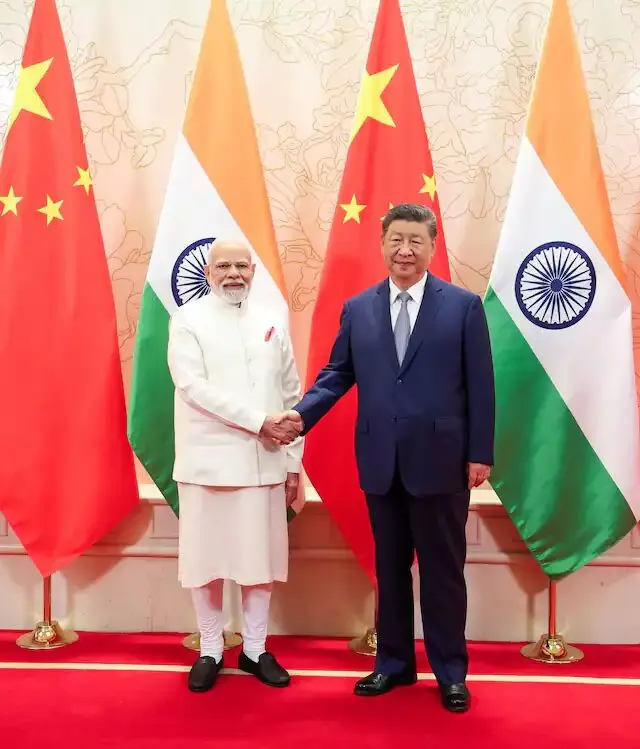
Frontiers are more than territorial edges—they are arenas where sovereignty is performed, contested and negotiated. When Chinese President Xi Jinping travelled to Lhasa in 2021, it was heralded as a decisive show of Beijing’s grip on Tibet. When Prime Minister Narendra Modi reached Churachandpur in 2025, at the heart of Manipur’s ethnic violence, the visit carried a similar political charge: a carefully staged assertion of control and reassurance.
Lhasa is the cultural and spiritual centre of Tibetan identity. Xi’s presence there symbolised occupation of Tibet’s most sacred space, where Beijing’s legitimacy faces its fiercest challenge.
Churachandpur, far from Manipur’s valley capital Imphal, is a hill district where New Delhi’s authority is contested by ethnic militias and demands for autonomy. Modi’s stop was a calculated show of power at the state’s most fragile point.
Xi’s visit unfolded as a development pageant—screened crowds, traditional costumes, choreographed enthusiasm—masking coercion while selling the image of a “harmonious, modernised Tibet.”
Modi’s trip followed a similar script, preceded by arms-recovery drives and temporary peace accords to create a semblance of calm. His presence suggested progress even as ethnic rifts remained.
For Beijing, the Lhasa visit signalled to the Han majority that Tibet is firmly integrated.
For Delhi, Modi’s Churachandpur stop aimed to reassure Meiteis who accuse the Centre of neglect and Kuki–Zo groups who see bias. Both leaders were speaking as much to their heartlands as to the frontier communities.
Xi’s journey broadcast a warning to India and the world: Tibet is beyond debate.
Modi’s appearance served notice to Myanmar, China and Bangladesh that India controls its volatile Northeast and will safeguard its Act East ambitions.
Despite Xi’s show, Tibetan alienation persists under repression and surveillance. Modi faces a parallel risk: Kukis may see his visit as cosmetic, Meiteis as over-accommodation. Without political dialogue and power-sharing, symbolism can quickly unravel.
Frontiers expose a state’s weakness more than its strength. Spectacle without substance deepens alienation. Sovereignty cannot be secured by visits alone; it demands reconciliation, inclusive governance and economic justice.
Xi’s Lhasa trip and Modi’s Churachandpur stop share a common logic: the state performs strength where legitimacy is thinnest. Such theatre may quiet critics for a moment, but without structural reform it mistakes silence for stability and ritual for reconciliation.