Gadkari Accuses Petrol Lobby of Resisting Ethanol Push, Defends E20 Rollout
"Wherever there are lobbies, there are vested interests... and the petrol lobby is extremely powerful," Nitin Gadkari said.

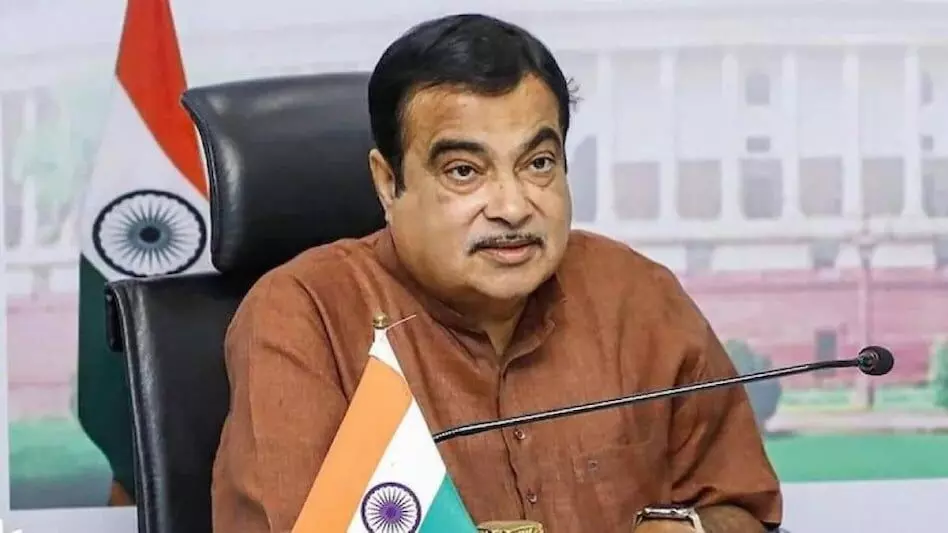
Union Road Transport and Highways Minister Nitin Gadkari has accused powerful interests in the petroleum sector of lobbying against the government's push for ethanol-blended fuel, saying that such groups are trying to derail the country’s transition to cleaner alternatives.
"Everywhere there are lobbies, there are interests… the petrol lobby is very rich," Gadkari said on Wednesday at the 65th annual convention of the Society of Indian Automobile Manufacturers (SIAM) in New Delhi. His comments came amid growing public concerns on social media over E20 fuel — petrol blended with 20% ethanol.
The E20 rollout, which began at select fuel stations in April 2023, was expanded across the country by April 2025. It replaces E10, the 10% ethanol blend currently used in most vehicles. Ethanol is an alcohol produced mainly from sugarcane and food grains such as rice and maize.
The introduction of E20 has sparked debate among both consumers and auto experts. Many argue that higher ethanol content could negatively affect fuel efficiency and damage engine components in older vehicles. Experts quoted by PTI estimated a 2–5% drop in mileage with E20, since ethanol has a lower energy density than petrol. They also warned of potential long-term issues in fuel systems — especially in cars not designed for E20 — such as wear and tear on rubber parts, gaskets, and fuel lines.
The Ministry of Petroleum and Natural Gas, however, has downplayed these concerns. In an August 4 post on X, it clarified that mileage loss is “marginal” — around 1–2% in E10 vehicles recalibrated for E20, and 3–6% in others. The ministry also noted that several automakers have been making E20-compatible vehicles since 2009.
Gadkari defended the ethanol initiative as a vital part of India’s effort to cut crude oil imports, which account for around 88% of the country’s oil consumption. “We import ₹22 lakh crore worth of petroleum. Shouldn’t we aim to become self-reliant?” he asked while speaking at the 7th Auto Retail Conclave of the Federation of Automobile Dealers Associations (FADA).
Beyond reducing dependence on foreign oil and cutting carbon emissions, the minister said the ethanol programme also aims to boost farmers’ incomes by increasing demand for sugarcane and grain-based ethanol.
Gadkari also emphasized the importance of moving beyond ethanol toward a broader mix of sustainable fuels. “We want to focus on alternative fuels — biofuels, hydrogen, electric — even in marine engines. We're now planning to use methanol,” he said, adding that experimental work is already underway with ethanol blends and isobutanol.
India, currently the third-largest oil consumer in the world, remains highly vulnerable to global energy price fluctuations. According to Gadkari, diversifying the country’s fuel sources is not just about the environment — it’s also about ensuring long-term energy security and economic independence.