ICCR Patna Hosts IAS Trainee Officers to Showcase Bihar's Cultural Heritage and Diplomacy
10 officers from 2025 batch visit museums, passport office art exhibition as part of LBSNAA Winter Training Programme
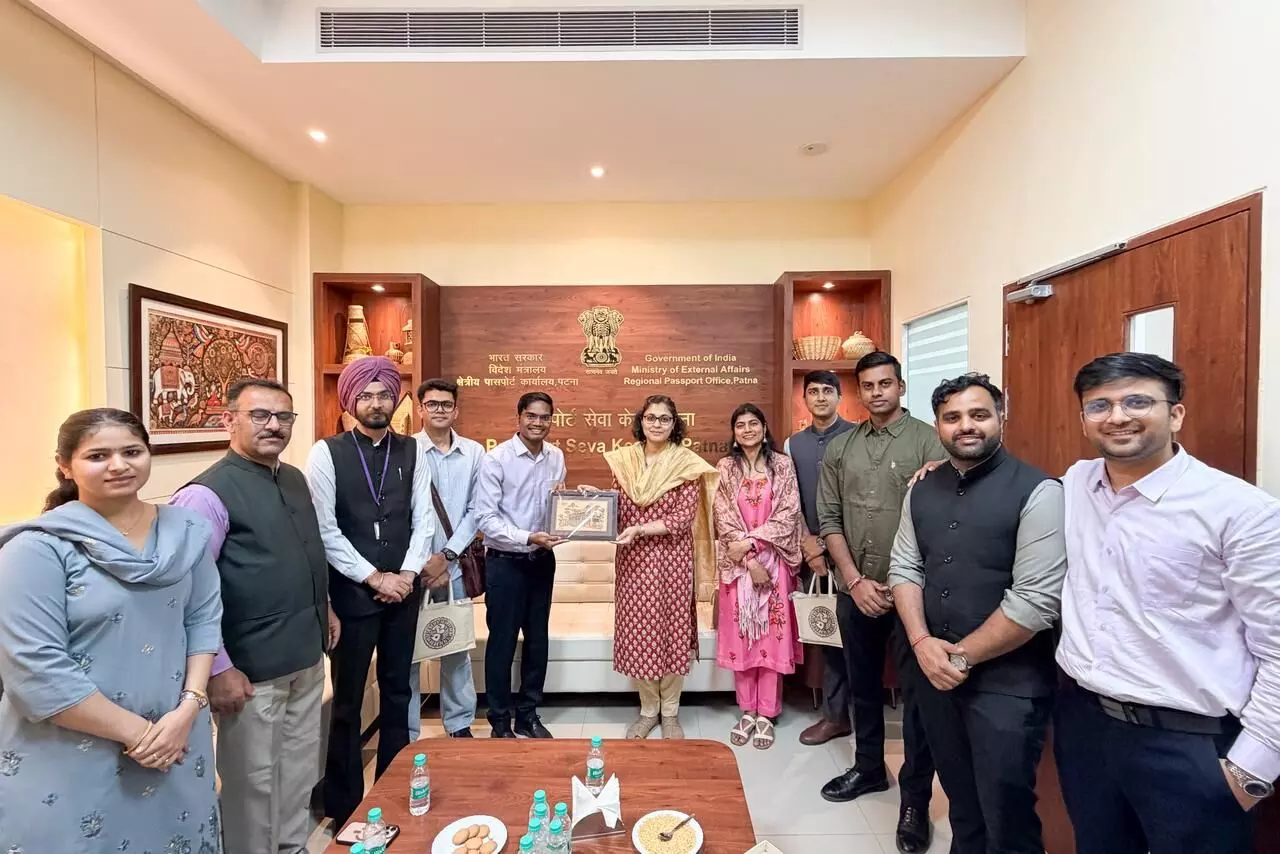
The Indian Council for Cultural Relations Regional Office Patna hosted a group of 10 IAS trainee officers from the 2025 batch as part of their Winter Training Programme from Lal Bahadur Shastri National Academy of Administration. The programme aimed to familiarize future civil servants with the role of culture, heritage, and cultural diplomacy in governance.
The visit was structured to provide an institutional overview of ICCR's mandate, emphasizing cultural engagement, soft power, and international relations in strengthening public administration and nation-building.
The visit commenced with an introductory session and panel discussion at Patna's iconic Bapu Tower under the theme "Envisioning India's Cultural Landscape." Four experts from Bihar, representing folk art, theatre, music, arts coordination, and literature, served as panelists.
The interactive session was moderated by Regional Passport Officer and ICCR Regional Director Swadha Rizvi (IFS), enabling meaningful dialogue on culture, society, and public policy. Officers also received a guided tour engaging with Gandhian legacy.
The trainee officers visited Passport Seva Kendra Patna to view "Patna through Ink and Paint," a painting exhibition featuring artwork by 24 DPS Patna children.
RPO Rizvi emphasized making government offices aesthetically appealing for both employees and citizens, while underscoring the need for senior officers to provide high-visibility platforms to young artists at minimal cost.
The programme included a visit to Arthshila Patna, a private initiative highlighting the role of private cultural institutions in promoting contemporary art, research, and innovation. This demonstrated how public-private collaboration can contribute to cultural policy-making and inclusive governance.
Officers visited the state-of-the-art Bihar Museum, one of India's premier contemporary museums known for world-class architecture and curatorial practices.
The cultural attachment introduced trainees to Bihar's civilizational legacy and provided policy perspectives on preserving and leveraging Indian culture for national benefit.