India’s Domestic Faultlines as Strategic Pressure Points
From Ladakh to Punjab and the Red Corridor, unresolved grievances fuel instability and hand China, Pakistan exploitable pressure points.

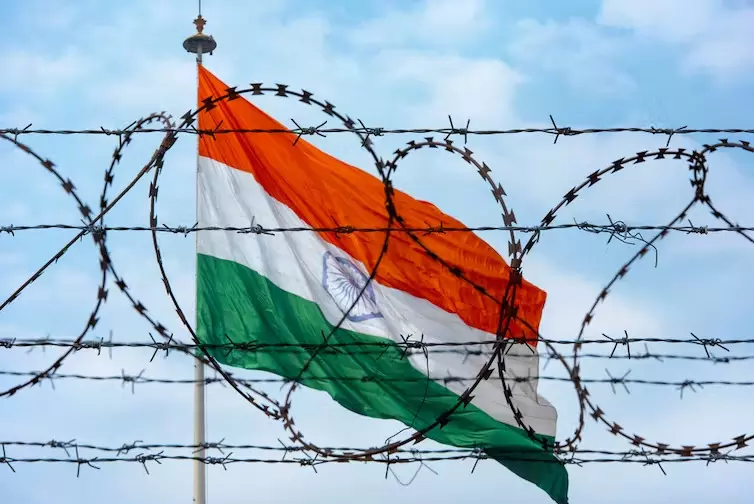
India’s domestic governance is trapped in the cycle of delay, denial, and diversion. Grievances in Ladakh, Assam, Punjab, Manipur, and the Red Corridor remain unresolved, sustaining instability. This weakens India internally, drains resources, and provides adversaries like China and Pakistan with exploitable pressure points. Hard power responses buy time but do not cure root causes. Without institutionalized problem-solving, India’s domestic fragility will remain its greatest strategic vulnerability.
Key Findings
1. Pattern of the Three D’s:
Delayed: Policy action only after crises escalate (farm laws repeal, Manipur).
Denied: Genuine demands brushed aside (Ladakh autonomy, ST recognition).
Diverted: Grievances shifted to committees or doles (Red Corridor, MSP).
2. Dual Weakness of Governance:
Educated bureaucracy: procedural delays, risk aversion.
Politicians: populism, electoral arithmetic.
→ Combined, they sustain paralysis disguised as governance.
3. Regional Case Studies:
Ladakh: UT status without autonomy → alienation, China exploits narrative.
Assam: Moran ST demand deferred → fuels ethnic mistrust, weakens Act East link.
Punjab: Abrupt farm laws & repeal → Pakistan-backed diaspora amplifies unrest.
Manipur: Ethnic conflict mishandled → humanitarian crisis, global spotlight.
Red Corridor: Land/tribal rights ignored → insurgency persists despite military ops.
4. Security-Defence Costs:
Internal deployments stretch defence budgets.
Militarization of governance deepens alienation.
External deterrence diluted by internal policing burden.
5. Geopolitical Exploitation:
China: Uses Ladakh/Manipur to question India’s unity.
Pakistan: Fuels Punjab/Khalistan narrative via diaspora.
Global NGOs & Media: Spotlight Assam, Red Corridor.
Western powers: Use internal fragility in trade/human rights negotiations.
Strategic Costs
Security Overstretch: Internal policing undermines defence modernization.
Credibility Loss: Policy reversals erode image of decisiveness.
Diplomatic Burden: Adversaries exploit human rights narratives.
Developmental Setback: Investor confidence hurt by unstable domestic environment.
Policy Options & Recommendations
Short-Term (1–2 years):
Establish Conflict Anticipation Units in MHA to monitor grievances.
Immediate structured dialogues in Manipur and Ladakh with clear timelines.
Medium-Term (3–5 years):
Institutionalize permanent forums:
Agriculture Council (like GST Council) for MSP and reform.
Ethnic Autonomy Forum for Northeast.
Set up Land & Forest Rights Tribunal for Red Corridor grievances.
Long-Term (5–10 years):
Create a Codified Autonomy Framework to manage ethnic recognition demands systematically.
Shift from security-led to civilian-led governance in sensitive zones.
Build a Strategic Communications Unit to counter adversarial narratives internationally.
India’s external strength rests on its internal stability. Yet domestic incoherence — in Punjab, Assam, Manipur, Ladakh, and the Red Corridor — is its greatest vulnerability. Adversaries exploit these “pressure points” to offset India’s security and diplomatic advances.
Hard power alone cannot resolve what are fundamentally political and developmental grievances. The path forward demands political courage, institutional innovation, and a long-term domestic consensus framework. Only then can India’s internal unity match its external ambitions.