Land, Identity, and the Assamese Question: A Critical Analysis of Eviction Drives Under HBS

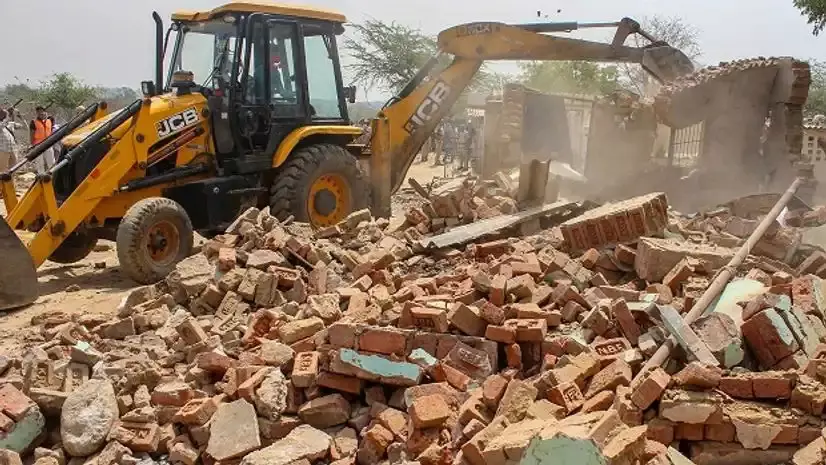
In Assam, land is more than just a resource; it is the very bedrock of identity, cultural memory, and existential security. For the ethnic Assamese, land is both a symbol and a safeguard of their place in the region's future. Against this deeply rooted sentiment, the large-scale eviction drives recently initiated under the leadership of Chief Minister Himanta Biswa Sarma (HBS) demand urgent scrutiny. This is not merely about administrative objectives, but about profound socio-political implications that could reshape the state's demographic landscape.
At the heart of the matter lies a critical question: Will these eviction drives genuinely translate into meaningful land security for landless indigenous Assamese people, or will they merely serve a broader demographic realignment with long-term political consequences?
Hari Shankar Brahma Committee: A Cautionary Framework
The Hari Shankar Brahma Committee Report (2017), constituted to advise on Clause 6 of the Assam Accord, offered sobering insights that remain highly relevant. The committee found:
- Nearly 8 lakh indigenous families were landless or lacked formal land titles.
- The majority of patta land was not in the hands of Assamese-origin communities.
- A significant portion of land was under the possession of non-indigenous settlers, particularly from Bengali-origin Muslim and Hindu backgrounds.
The report explicitly linked land insecurity with the dilution of Assamese identity and political agency. It laid out a vision of protective land governance, recommending exclusive zones for indigenous land rights to safeguard their future.
The Nature of the Eviction Drives: Official vs. Ground Reality
Official Narrative:
The state government asserts that the drives aim to recover government, forest, and agricultural land from illegal encroachers. Objectives include restoring riverbanks and reserved areas, and making land available for development projects and the landless indigenous population.
Ground Observations:
However, observations on the ground reveal a distinct pattern. These eviction operations have been high-profile, swift, and predominantly conducted in areas with a high density of Miya Muslim and Bengali-origin populations. Crucially, rehabilitation efforts have been limited, and transparency in post-eviction land redistribution remains unclear. The process often appears more administrative and symbolic, lacking a clear welfare roadmap for the landless indigenous communities it ostensibly seeks to benefit.
Assessing the Beneficiaries: Who Gains?
A closer look at various stakeholder groups reveals a complex picture:
The conspicuous absence of a transparent land reallocation blueprint raises concerns about whether these evictions are genuinely corrective measures for the landless indigenous population or part of a calculated socio-political transformation.
Assamese Sentiment: Between Hope and Unease
Among indigenous Assamese communities, sentiment is a volatile mix of aspiration and apprehension.
Aspirations:
There is a strong desire for the just redistribution of recovered land, a belief that these actions could reassert indigenous dignity, and a hope that decades of marginalization might finally be corrected.
Concerns:
However, a growing worry persists that the actual beneficiaries may not be Assamese households, but other politically favoured groups. There is a fear that land might be diverted toward industrial corridors, CAA-protected settlers, or simply remain unutilized under bureaucratic control. A broader sense prevails that these moves, though popular on the surface, may inadvertently deepen the erosion of Assamese political and demographic weight.
The Deeper Question: Is Land Becoming Politicized Beyond Repair?
While eviction may appear to restore order, in Assam’s context, it risks:
- Intensifying demographic anxiety among indigenous people.
- Fueling alienation, particularly if benefits bypass the most affected native groups.
- Leading to social unrest if perceived as a tool for vote-bank rebalancing or settlement engineering.
In a land where every bigha carries historical weight, the silence of redistribution is often more telling than the noise of eviction.
Recommendations for Equitable Resolution
To navigate this delicate issue with fairness and justice, the following recommendations are crucial:
- Transparent Land Reallocation: Establish a public, transparent mechanism for land reallocation, explicitly prioritizing landless indigenous households.
- Protected Zones: Create legally protected belts and zones with clear restrictions on the transfer of land to non-indigenous persons.
- Independent Audits: Ensure post-eviction audits are conducted by independent bodies, including civil society organizations and legal experts, to verify adherence to guidelines and ensure fair process.
- Annual Ownership Reports: Publish annual land ownership reports to track changes in control, ensuring accountability and preventing land grabs.
- Public Consultation: Engage in meaningful public consultation, especially with communities historically displaced or disenfranchised, to ensure their voices are heard and their rights respected.
Conclusion: Assam at a Crossroads
The ongoing eviction drives in Assam may offer a momentary political narrative of correction. However, unless these actions are paired with a sincere, inclusive redistributive framework, they risk deepening the historical insecurities of the Assamese people. In a region where land unequivocally equals identity, the state must move beyond mere optics and enact policies that truly reflect fairness, transparency, and cultural justice.
Otherwise, Assam may find itself not on a path of resolution, but standing precariously on a quiet fault line—waiting for a future tremor.