Lok Sabha Passes Health and National Security Cess Bill, 2025 to Fund Public Health and Security Initiatives
New cess on pan masala and other specified goods will be levied based on production capacity, introducing strict compliance, penalties, and inspection powers to ensure a dedicated revenue stream for national health and security priorities.

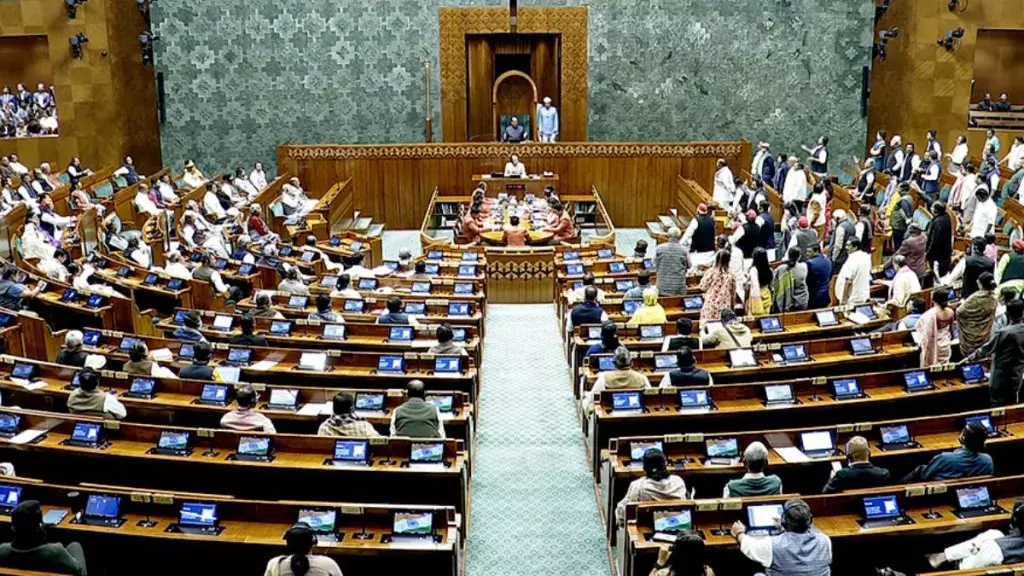
The Lok Sabha on Friday passed the Health and National Security Cess Bill, 2025, introducing a cess on the production of specified goods, including pan masala, aimed at generating dedicated funds to strengthen public health initiatives and national security measures.
Initially introduced on December 1, the Bill targets machinery and manual processes involved in manufacturing pan masala and other government-notified products. Finance Minister Nirmala Sitharaman explained the purpose behind the levy, stating, “It is proposed to levy the Health and National Security Cess to contribute towards twin purposes of enabling targeted utilisation for public health, as well as national security.”
Under the Bill, the cess will be imposed monthly on individuals or entities owning or controlling machines or manual units producing the specified goods. Taxpayers are required to self-assess the cess based on their production capacity and file monthly returns, with interest penalties applied to late payments to ensure compliance.
The cess rates vary with production capacity. For instance, a machine producing up to 500 pouches per minute (each up to 2.5 grams) will incur a cess of Rs 1.01 crore per month, while faster machines producing between 1,001 and 1,500 pouches per minute with pouch weights over 10 grams will attract a cess of Rs 25.47 crore monthly. Manual production units will pay a fixed cess of Rs 11 lakh per month. The government retains the authority to increase these rates up to twice the specified amounts if public interest demands.
To ensure enforcement, officers of Commissioner rank and above will conduct audits and pursue recovery of unpaid or underpaid cess along with interest and penalties.
The Bill prescribes penalties ranging from Rs 10,000 or the evaded cess amount (whichever is higher) up to Rs one lakh for aiding violations. Cases involving evasion exceeding Rs one crore may lead to criminal prosecution, with imprisonment terms ranging from one to five years and fines.
A three-tier appeal mechanism is established, allowing affected parties to challenge orders before an appellate authority, the Customs, Excise, and Services Tax Appellate Tribunal, and ultimately the High Court on significant legal questions.
Additionally, officials at the rank of Joint Commissioner or higher will have powers to inspect manufacturing and storage premises and to search and seize goods, machinery, documents, or records if evasion is suspected.
Highlighting the Bill’s emphasis on transparency, Finance Minister Sitharaman said, “The cess is linked to the production capacity of machines or other processes rather than the quantity actually produced. Taxpayers must self-declare all machines or processes at each factory or premises, and the cess will be calculated in aggregate for each location. Proper officers may verify and recalibrate these declarations through prescribed mechanisms. Compliance will be ensured through technological and inspection-based monitoring.”
The new cess is designed to provide a stable and dedicated revenue stream to support vital public health and national security objectives, underscoring the government’s commitment to safeguarding the nation’s welfare on multiple fronts.