"My Brain is Worth ₹200 Crore, I Know How to Earn Honestly": Nitin Gadkari Responds to Ethanol Row
Speaking at an event in Pune, Nitin Gadkari stated that the ethanol revolution has played a crucial role in keeping India’s sugar industry afloat.

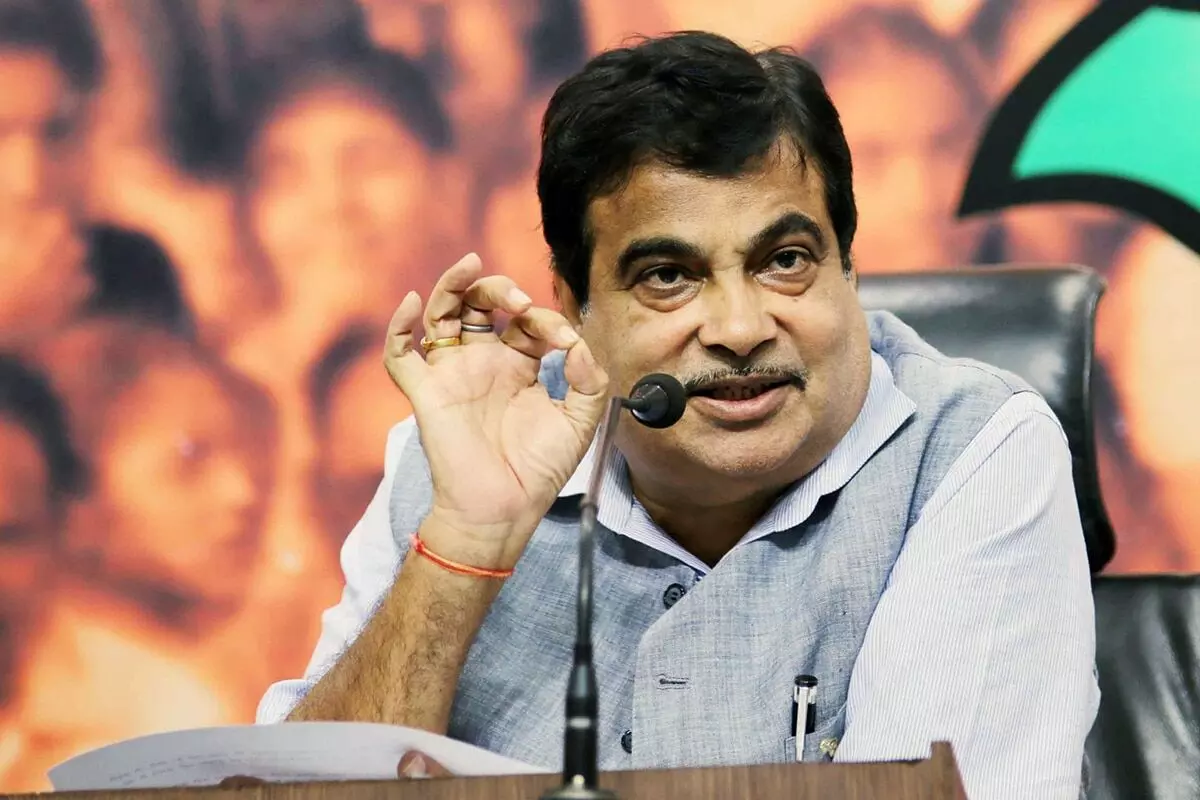
Union Minister Nitin Gadkari has hit back at critics amid the ongoing ethanol fuel controversy, asserting his integrity and rejecting allegations of any wrongdoing. Addressing an event in Nagpur on Sunday, Gadkari dismissed claims of personal gain from the Centre’s ethanol policy, saying, “My brain is worth ₹200 crore per month. I know how to earn honestly.”
Taking a swipe at his detractors, the senior BJP leader added, “I’m not short of money, and I don’t stoop low.” His remarks come in response to allegations made by the Congress earlier this month, which accused the government of a conflict of interest in its push for ethanol-blended petrol.
The BJP has strongly rejected the charges, with party leaders accusing the Congress of resorting to Aam Aadmi Party-style politics — claiming to have evidence but producing none.
Gadkari, who also serves as the Minister for Road Transport and Highways, has been a vocal advocate for ethanol as a sustainable alternative fuel. Speaking at a separate event in Pune, organised by the Naam Foundation, he defended the ethanol policy, stating that the sugar industry in India has survived largely due to the production and use of ethanol.
“We import fossil fuels worth ₹16 lakh crore. Ethanol has helped sugarcane farmers and sugar mills stay afloat,” he said, according to PTI. He highlighted that India has a surplus of sugar and ethanol has created a new market, reducing the country’s dependence on imported fuels.
The rollout of E20 fuel — petrol blended with 20% ethanol — has sparked widespread debate, particularly over its reported impact on fuel economy and engine performance. Some users claim mileage has dropped by up to 20%, raising concerns among motorists.
Responding to this, Gadkari dismissed the criticism as part of a “paid campaign” aimed at discrediting him. He also stressed that there had been full consultation with all stakeholders, including the automobile industry, before implementing the E20 policy.
This comes after the Supreme Court recently dismissed a PIL challenging the nationwide rollout of E20, which alleged that the fuel was not compatible with many vehicles and was being forced onto consumers.