NEHU Develops Indigenous Semiconductor Chip to Combat Tea Pest Red Spider Mite

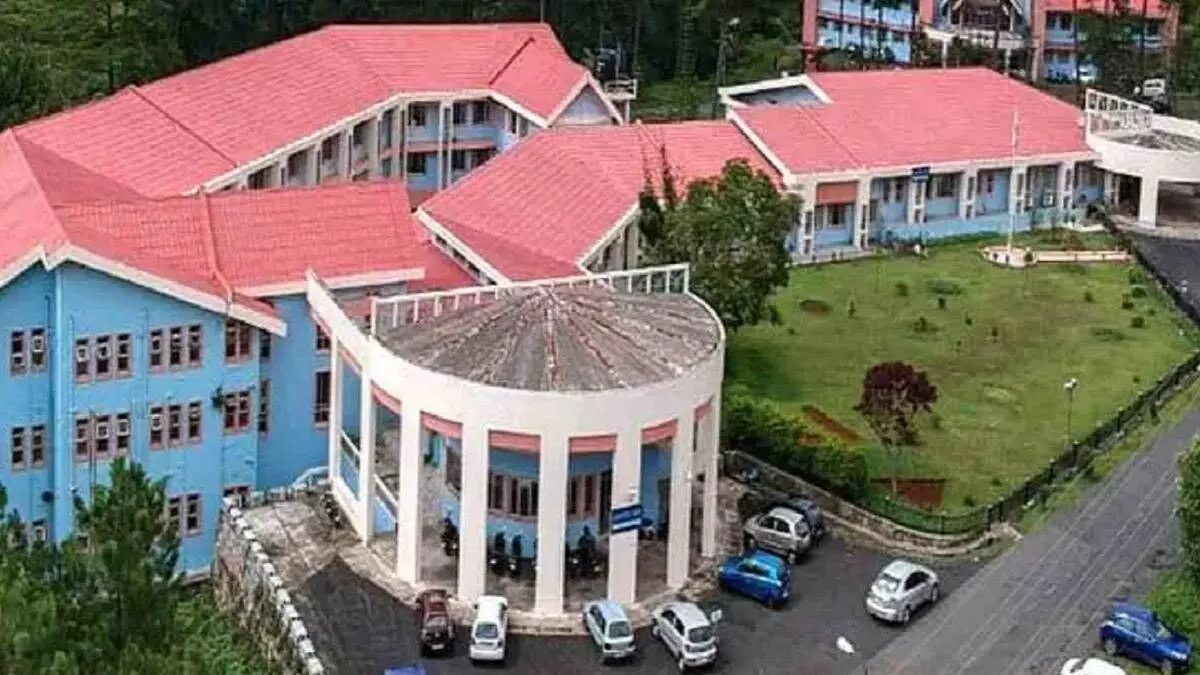
In a significant step towards indigenous innovation under the India Semiconductor Mission, the North-Eastern Hill University (NEHU) in Meghalaya, has developed an innovative indigenous semiconductor chip aimed at repelling the Red Spider Mite (RMS) one of the most destructive pests affecting tea gardens across the Northeast and other tea-growing regions of India, an official said on Monday.
The chip, designed as a technology-driven and eco-friendly solution, has been developed entirely at the Department of Electronics and Communication Engineering, NEHU, through the collaborative research efforts of Pankaj Sarkar, Sushanta Kabir Dutta, Sangeeta Das and Bhaiswajyoti Lahon.
This achievement highlights NEHU's growing contribution to advanced electronics research with direct applications in agriculture.
The indigenous chip was formally handed over on November 28 last by union Minister for Electronics and Information Technology, marking an important milestone for the University in the national semiconductor ecosystem.
While the conceptualisation, design, and development were carried out at NEHU, the fabrication of the chip was undertaken at the Semiconductor Laboratory (SCL), Mohali, a premier Government of India facility for semiconductor manufacturing.
"This collaboration exemplifies effective synergy between academic institutions and national fabrication facilities, reinforcing the vision of technological self-reliance under the India Semiconductor Mission," an official said.
The Red Spider Mite is known to cause severe yield losses and deterioration in tea quality, posing a major challenge to the tea industry. "The newly developed chip is expected to reduce dependence on chemical pesticides, offering a sustainable and environmentally friendly alternative that benefits tea growers and promotes ecological balance," the official said.
NEHU officials noted that this innovation aligns with the University's commitment to "Make in India" and to addressing region-specific challenges through cutting-edge research. Further field-level testing and validation are planned to assess the chip's practical deployment in tea gardens.
"This initiative stands as a landmark example of how indigenous semiconductor technology can be leveraged to support agriculture, strengthen the rural economy, and position the Northeast as an active contributor to India's technological and scientific advancement," the official said.