NHRC Orders Immediate Probe and Ban on Fake Cough Syrup After Child Deaths in MP, Rajasthan, and UP

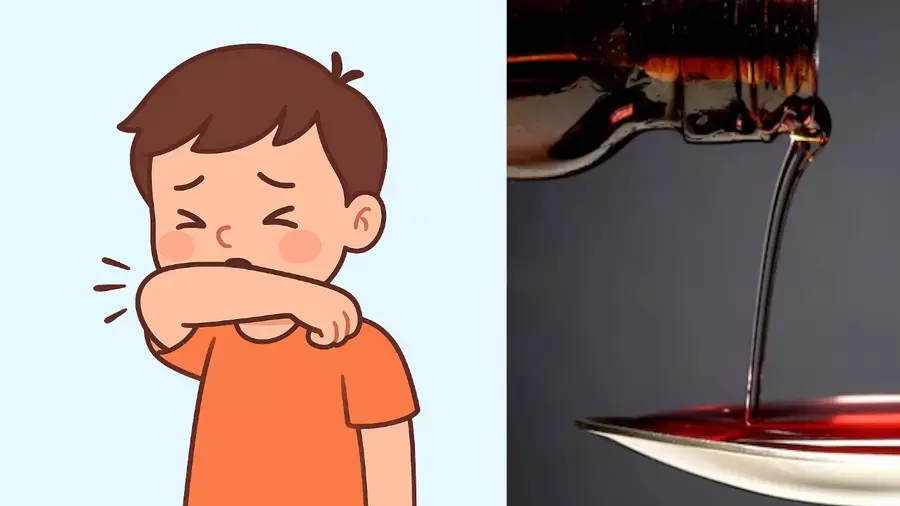
The National Human Rights Commission (NHRC) has stepped in following tragic reports of children dying after consuming contaminated cough syrup in parts of Madhya Pradesh, Rajasthan, and Uttar Pradesh. The commission has issued urgent notices to these state governments, asking them to investigate the deaths and immediately ban the sale of any fake or unsafe medicines.
The NHRC’s action came after a complaint about the deaths of 12 children in Madhya Pradesh’s Chhindwara and Vidisha districts, as well as in some areas of Rajasthan. These deaths have been linked to the use of contaminated cough syrup, raising alarm about drug safety and regulation.
Besides directing the state governments, the NHRC has also called on central health authorities to act fast. The Drugs Controller General of India (DCGI), Central Drugs Standard Control Organisation (CDSCO), Directorate General of Health Services (DGHS), and the Union Health Ministry have all been asked to launch an immediate investigation. They are instructed to ensure that regional labs in the affected states collect samples of the suspicious cough syrup and submit test reports without delay.
The commission has further ordered the Chief Drugs Controllers of the states involved to take swift action in banning these harmful medicines and to keep the NHRC informed about the progress.
This move shines a spotlight on the serious issue of fake and substandard medicines in the country, especially those that pose a risk to children’s lives. The NHRC’s directives aim to hold both state and central agencies accountable and push for quick, transparent steps to prevent such tragedies from happening again.
As investigations continue, the NHRC expects regular updates from all authorities involved to ensure timely action and protect public health.
This incident underscores the urgent need for stronger controls and vigilance over the pharmaceutical supply chain to keep harmful products out of the hands of vulnerable patients.