RBI Proposes New NBFC Classification Rules, Sets ₹1 Lakh Crore Asset Threshold for Upper Tier
Draft norms aim to simplify regulation, include government NBFCs and tighten oversight of large entities

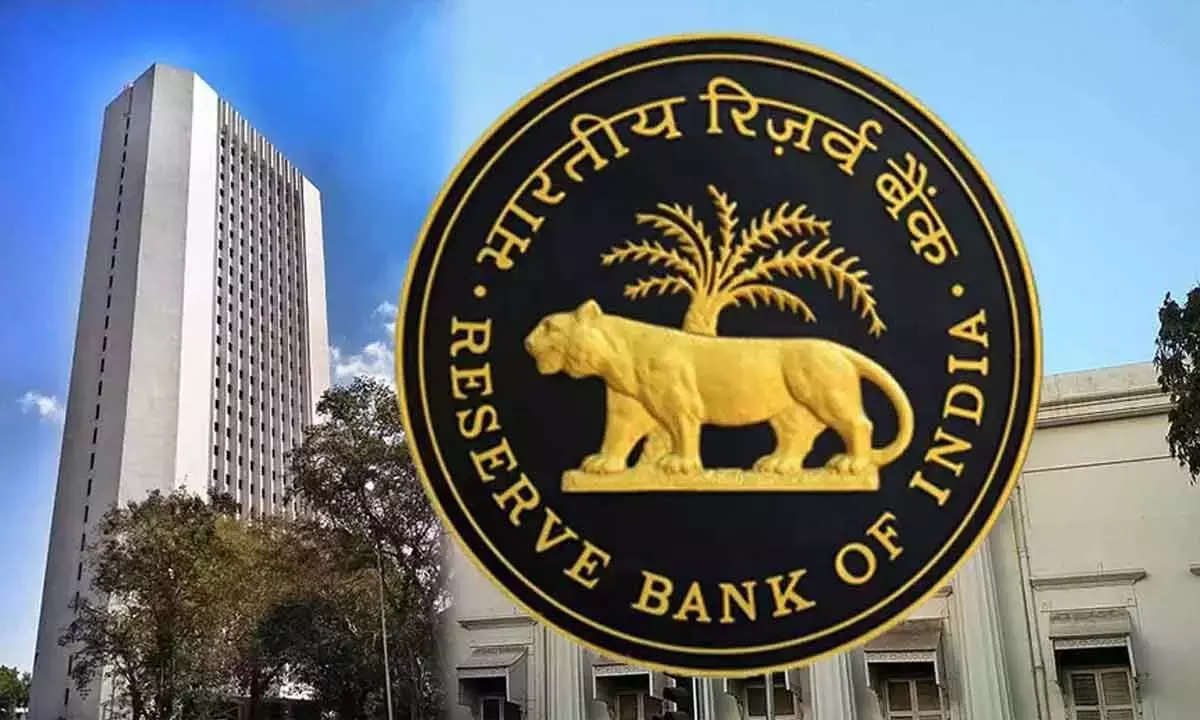
The Reserve Bank of India has proposed significant changes to the classification framework for non-banking financial companies (NBFCs), introducing a simplified, asset-based approach to identify upper-tier entities.
According to the draft guidelines, NBFCs with total assets of ₹1 lakh crore or more will be categorised as upper-tier companies. This replaces the earlier system, which relied on multiple parameters, and is aimed at enhancing transparency, clarity and uniformity in regulatory oversight.
The central bank said the move would streamline classification and enable more effective supervision of large NBFCs, thereby strengthening financial stability.
A key feature of the proposal is the inclusion of government-owned NBFCs in the upper tier. Previously, such entities were largely placed in the base or middle layers. The revised framework follows an ownership-neutral approach, ensuring that both private and public sector NBFCs are subject to the same regulatory standards.
The changes could have implications for several large entities, including Tata Sons, which has an asset base of around ₹1.75 lakh crore but is not listed. Under existing norms, top upper-tier NBFCs are required to be listed on stock exchanges, and the new framework may intensify scrutiny on such firms.
The draft also proposes allowing upper-tier NBFCs to use state government guarantees as a credit risk transfer mechanism, subject to certain conditions. This could provide additional flexibility in managing risk, while maintaining regulatory safeguards.
RBI Governor Sanjay Malhotra has indicated that broader reforms are being planned for the NBFC sector, with the current draft forming part of a comprehensive overhaul. Stakeholders have been invited to provide feedback before the final guidelines are issued.
The proposed shift to an asset-based classification is expected to improve regulatory consistency, bring large government-backed entities under tighter oversight, and enhance overall transparency in the financial system.