SC Converts Lose Scheduled Caste Status, Rules Supreme Court
Bench upholds 1950 Constitutional Order; says Christianity and Islam do not recognise caste system, conversion to these faiths disqualifies SC protections and SC/ST Act cover

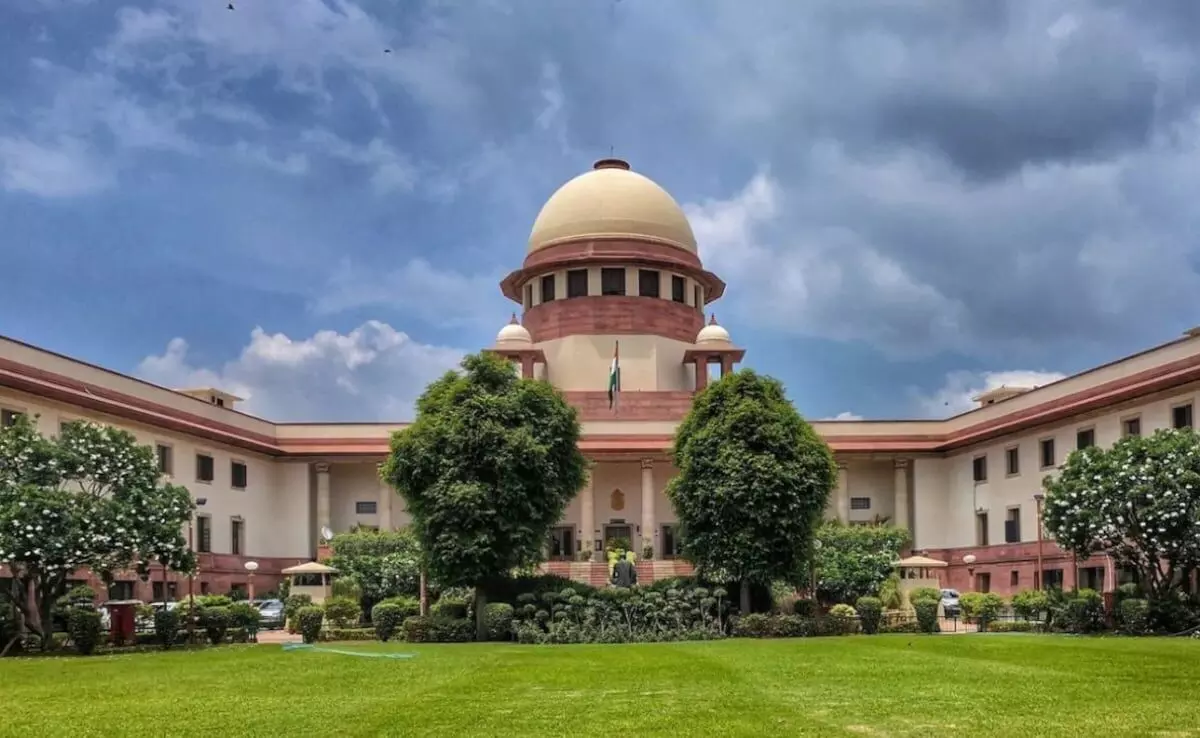
The Supreme Court of India has delivered a landmark ruling clarifying that a person belonging to a Scheduled Caste who converts to Christianity or Islam will lose their SC status and all attendant legal protections — including the right to file complaints under the Scheduled Castes and Scheduled Tribes (Prevention of Atrocities) Act, 1989.
The court anchored its ruling in Paragraph 3 of the Constitution (Scheduled Castes) Order of 1950, which restricts SC status to those who profess Hinduism, Sikhism, or Buddhism. The order originally applied only to Hindus, with Sikhs included in 1956 and Buddhists in 1990. The bench held that since Christianity and Islam do not formally recognise the caste system or the practice of untouchability, converts to these faiths fall outside the constitutional definition of a Scheduled Caste — and therefore outside the scope of reservations and special protections historically designed for socially backward communities.
The judgment arose from a case in which a Christian convert filed a complaint under the SC/ST Act after being subjected to caste-based humiliation. He argued that despite his conversion, society continued to identify and discriminate against him on the basis of his original caste. The Supreme Court rejected this reasoning, holding that the law operates on constitutional definitions rather than social perceptions. Since Section 3 of the SC/ST Act is triggered only when the victim is legally a member of a Scheduled Caste or Tribe, a converted individual cannot invoke the Act's protections — even if the harassment was rooted in their original caste identity.
The ruling significantly dims the long-standing demand to extend SC status to Dalit Christians and Dalit Muslims, who have argued for decades that conversion does not erase the social stigma of untouchability. The Central Government had constituted the K G Balakrishnan Commission to examine whether socioeconomic conditions remain unchanged after conversion — but the court's firm reaffirmation of the 1950 order places the question squarely in Parliament's domain. "Until Parliament amends the law, the 1950 order will prevail," the bench stated.
Dalit organisations have condemned the ruling as unjust, arguing that caste discrimination persists regardless of religious identity. Several Hindu, Sikh, and Buddhist Dalit groups have welcomed it, saying it protects the integrity of reservations meant for historically marginalised communities. Legal experts note the judgment is also likely to strengthen anti-conversion laws in states where conversions under inducement or coercion are contested.