Soft skills every Indian Nurse needs to succeed overseas

As the world grapples with an acute shortage of healthcare professionals, Indian nurses are emerging as a vital solution to bridge the demand–supply gap. The World Health Organization (WHO) estimates a global shortfall of nearly 5.9 million nurses, with the sharpest shortages in North America, Europe, and parts of the Middle East. Countries like the United States, United Kingdom, Canada, and Australia are opening thousands of positions each year, and much of this demand is being met through international recruitment.
India, one of the largest producers of nursing graduates, is uniquely positioned to serve this need. More than 300,000 nurses qualify in the country annually, yet experts caution that not all are immediately employable in global healthcare systems. The challenge lies not in technical training alone, but in preparing nurses with the soft skills and cultural adaptability required for overseas assignments. Recruiters and employers alike point out that while Indian nurses are widely respected for their clinical knowledge and work ethic, their success abroad depends on communication, emotional intelligence, and the ability to navigate multicultural environments.
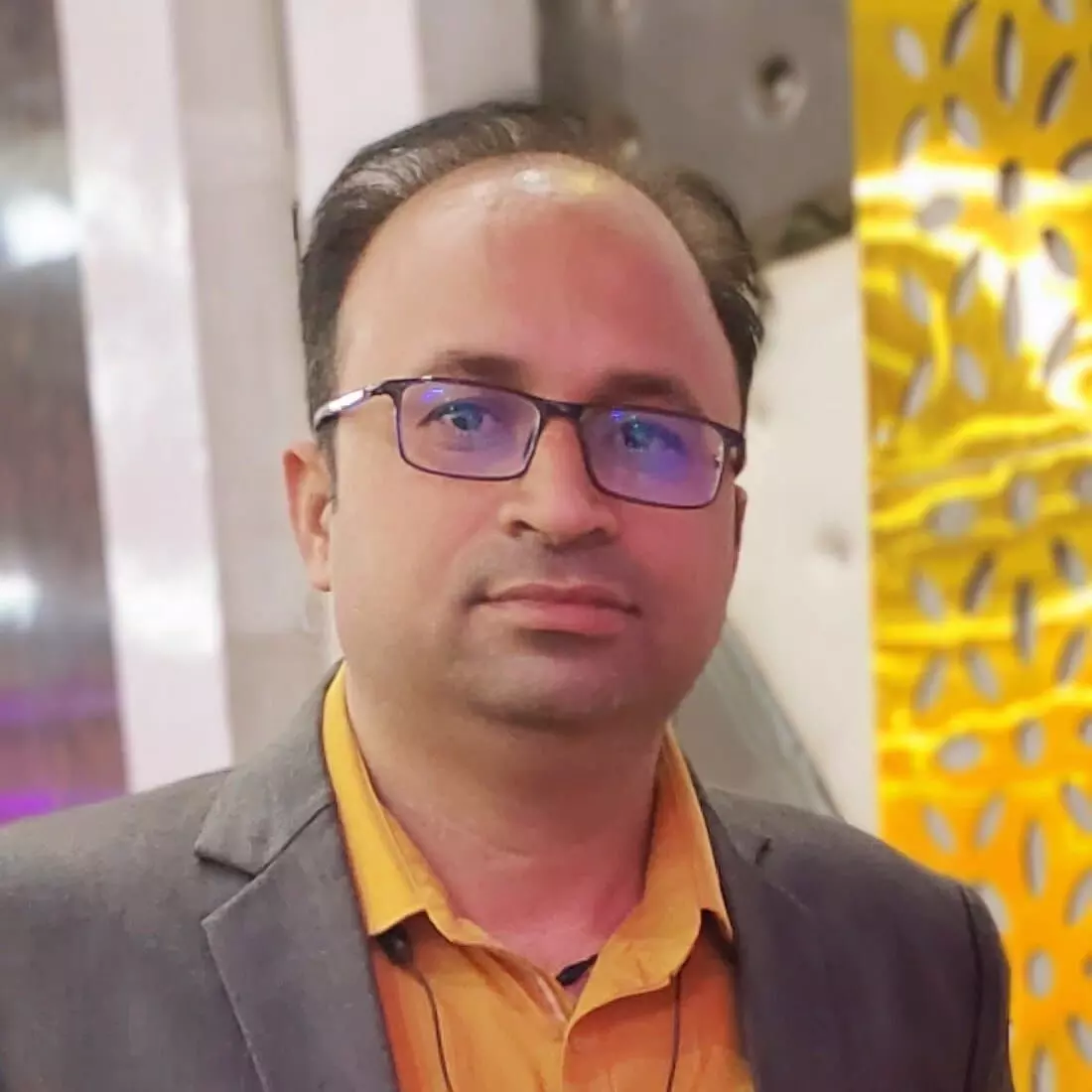
This is where organizations like Global Nurse Force (GNF) are stepping in with structured programs that bridge the divide between classroom learning and the realities of modern international hospitals. Lalit Pattanaik, CEO of GNF, believes the future lies in creating tech-enabled platforms powered by artificial intelligence that will help Indian nurses gain international recognition and build rewarding careers. “There is a specific suite of competencies that are non-negotiable,” Pattanaik explains. “Foremost among these is proficiency in technology, particularly Electronic Medical Records. Equally critical is clinical precision, especially in complex drug calculation. Beyond technical acumen, we must focus on sophisticated soft skills, including advanced language skills for empathetic patient care, and resilience-building techniques to manage the stress of high-pressure environments.”
His observations echo a broader reality. Many Indian nurses who relocate to hospitals in the UK, US or Gulf countries often encounter challenges not in clinical practice, but in communication with patients and colleagues. Adjusting to international workplace cultures, navigating diverse patient expectations, and managing the pressures of critical care in technologically advanced hospitals can be daunting. Soft skills, experts say, are the bridge that transforms competence into confidence on the global stage.
Paramananda Santra, Chief Business Officer at GNF, stresses that the organization’s mission is not simply to create overseas opportunities but to standardize the quality of training to global benchmarks. “Our goal is not just to create opportunities, but to ensure there is a uniformity in the quality of skilling that meets a global benchmark,” Santra says. “This collaboration ensures that an Indian nurse becomes a symbol of trust and competence anywhere in the world, which is key to making India the global skill capital.”
The demand figures make the urgency clear. The United Kingdom’s National Health Service (NHS) has already flagged a shortage of over 50,000 nurses, while the United States Bureau of Labor Statistics projects nearly 200,000 new nurse openings every year through 2030. In the Middle East, expanding healthcare infrastructure in Saudi Arabia, Qatar, and the UAE has created sustained demand for foreign-trained staff. Against this backdrop, India’s growing pool of young, educated nursing talent represents an enormous opportunity. But quantity must be matched by quality.
To meet this challenge, GNF and similar organizations are introducing targeted programs that combine technical upskilling with language training, workplace etiquette, and resilience coaching. The integration of technology into skilling modules, particularly in areas like EMR systems, ensures that Indian nurses can adapt quickly to the fast-evolving digital ecosystems of global healthcare. Soft-skills development, ranging from empathetic communication to cultural sensitivity, is increasingly being treated as seriously as clinical instruction.
Pattanaik argues that the way forward is to reimagine nursing education in India itself. By embedding communication training, cultural awareness, and stress management techniques into the curriculum, the country can prepare nurses who are not just qualified, but globally competitive from day one. “We are shaping leaders for the future of global healthcare,” he says. “With the right combination of clinical precision, tech proficiency, and human empathy, Indian nurses can set the global benchmark.”
Santra reinforces this vision, noting that every successful placement abroad not only changes the life of an individual nurse but also enhances India’s reputation as a trusted source of world-class healthcare professionals. “When every Indian nurse abroad embodies both competence and compassion, it is not just their career that grows—it is India’s reputation as the world’s skill hub that gets strengthened,” he says.
With nearly six million vacancies worldwide and a surplus of young, ambitious talent at home, India has the chance to become the undisputed leader in global nursing. But experts warn that without investing in structured skilling—particularly in soft skills—this opportunity could be lost to competing nations. For India, the stakes are high: closing the gap today will not only transform the futures of individual nurses but could cement the country’s position as the backbone of global healthcare tomorrow.