Supreme Court Commends ED for Safeguarding Homebuyers in Udaipur Real Estate Scam
Restores ₹175 crore worth of properties to resolution applicant; protects rights of genuine investors under CIRP and PMLA

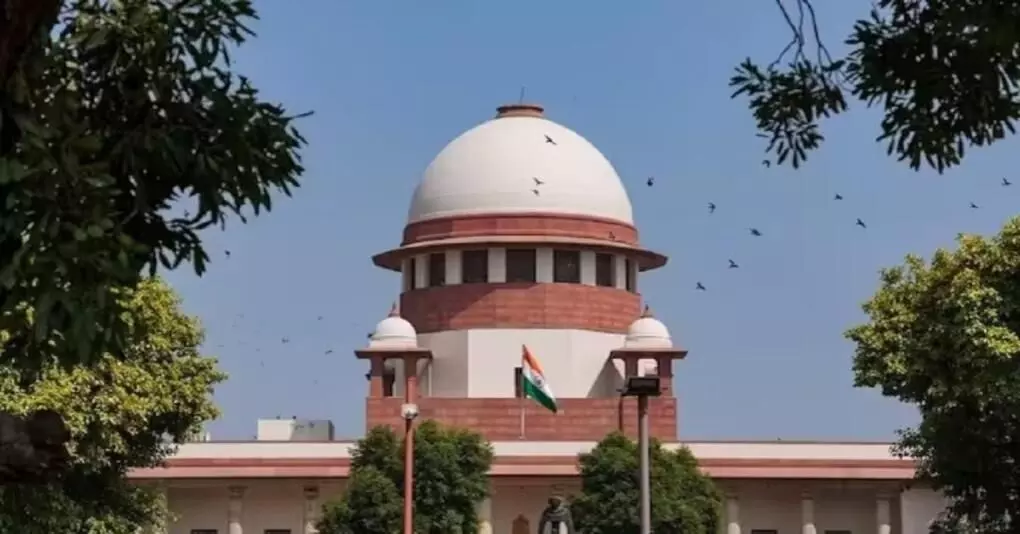
The Supreme Court has lauded the Directorate of Enforcement (ED) for its proactive efforts in restoring attached properties to protect the interests of innocent homebuyers affected by a major real estate fraud linked to the Royal Rajvilas housing project in Udaipur, Rajasthan.
A Bench of Justice Sanjay Kumar and Justice Alok Aradhe noted that the ED’s actions had brought much-needed relief to genuine investors who were victims of the developers’ fraudulent activities. “We record our appreciation for the efforts made by the Directorate of Enforcement in restoring the attached assets to protect the rights of genuine and innocent homebuyers,” the Court observed.
The housing project was under the Corporate Insolvency Resolution Process (CIRP) when the ED registered a case under the Prevention of Money Laundering Act (PMLA). During the investigation, several flats were provisionally attached. However, to ensure protection for the homebuyers, the ED agreed to restore the attached properties to M/s Udaipur Entertainment World Pvt. Ltd., the successful resolution applicant under the CIRP.
Acknowledging the ED's decision, the Court partially set aside the Provisional Attachment Order and directed that the properties—valued at approximately ₹175 crore—be handed over to the resolution applicant. The Bench clarified that this order was passed solely in the interest of protecting innocent homebuyers and was made under the second proviso to Section 8(8) of the PMLA, without delving into the merits of the case.
However, the attachment will continue on 11 specific units worth around ₹8.65 crore, which the ED identified as having been purchased with alleged proceeds of crime, as per its affidavit dated October 7, 2025.
Further invoking Section 32A of the Insolvency and Bankruptcy Code (IBC), the Court directed that the corporate debtor’s name be removed from the list of accused in the ED’s third supplementary prosecution complaint filed in February 2025. The prosecution and confiscation proceedings, however, will continue against the former directors, conspirators, and abettors involved in the scam.
The Court also left open the ED’s right to take appropriate action if any additional units linked to homebuyers are later found to be funded through tainted money. It reiterated that the protection under Section 32A of the IBC applies only when the resolution applicant is unrelated to the former promoters or beneficiaries of the alleged crime.
With this order, the Supreme Court closed the ED’s challenge to the resolution plan approved by the NCLT, Mumbai, and directed the agency to withdraw its appeal pending before the PMLA Appellate Tribunal. The ED was also instructed to notify the relevant authorities to enable registration of sale deeds for the restored properties.
The Bench emphasized that its ruling is confined to the facts of this particular case and should not be treated as a precedent. It also disposed of a connected writ petition before the Rajasthan High Court (Jaipur Bench) and recorded appreciation for the cooperation extended by all counsels.
“We place on record our appreciation for the efforts made by the counsel for the parties and the Directorate of Enforcement in restoring the attached properties to secure the interests of genuine and innocent homebuyers,” the Court concluded.