Tamil Nadu Polls 2026: Stalin Tightens Grip on DMK Alliance as EPS Faces Heat Over BJP’s 60-Seat Demand
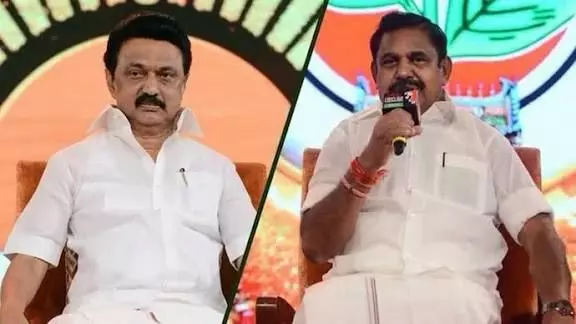
With the countdown to the 2026 Tamil Nadu Assembly election underway, coalition arithmetic in the state has entered an intense phase. Negotiations over seat-sharing, alliance strategy and leadership claims have begun to dominate political conversations, exposing contrasting dynamics within the two principal alliances — the ruling Dravidian bloc led by the M. K. Stalin and the opposition combine anchored by the All India Anna Dravida Munnetra Kazhagam.
In the ruling camp, the Dravida Munnetra Kazhagam appears to be firmly in command of alliance decisions. Even the Indian National Congress — which had initially pressed for a larger share of seats and a greater say in governance — has ultimately agreed to stay within the alliance framework after securing only a marginal increase in its quota compared to the previous election.
Political observers say the DMK leadership has managed to retain its dominance while keeping allies on board. The Congress, which had signalled a harder bargaining line earlier in the negotiations, has reportedly settled for just three additional constituencies compared to the last Assembly poll, effectively accepting the terms set by the DMK leadership.
A very different picture is emerging in the opposition camp led by the All India Anna Dravida Munnetra Kazhagam and headed by Edappadi K. Palaniswami. As the election approaches, murmurs of discontent within the alliance have begun to surface, particularly over the role played by the Bharatiya Janata Party in shaping coalition decisions.
According to sources within the AIADMK, the BJP has sought as many as 60 constituencies in the upcoming Assembly election — a demand that has surprised sections of the AIADMK leadership. The list of constituencies reportedly put forward by the BJP includes several politically and symbolically significant temple towns such as Palani, Kanchipuram, Tiruttani and Srirangam.
The AIADMK, sources say, has indicated that it can concede a maximum of around 25 seats, setting the stage for tough negotiations. With only weeks to go before the polls, the delay in finalising the seat-sharing formula has added to uncertainty within the alliance.
Complicating matters further is the reported demand from other partners, including the Desiya Murpokku Dravida Kazhagam, which was said to be seeking a higher number of seats. AIADMK insiders claim that the inability to reconcile these competing expectations stalled alliance talks and eventually contributed to the DMDK shifting towards the DMK-led camp.
Meanwhile, critics within the opposition ecosystem argue that decision-making within the AIADMK alliance appears increasingly influenced by the BJP. Parties such as the Pattali Makkal Katchi, the Puthiya Needhi Katchi and the Indhiya Jananayaga Katchi are believed to be relying largely on the BJP’s leadership in the ongoing negotiations.
There are also indications that the BJP has proposed a broader formula under which around 70 seats would be allocated collectively to alliance partners, leaving them to divide the share among themselves. The issue of future Rajya Sabha nominations has reportedly also surfaced during the talks, adding another layer of pressure on the AIADMK leadership.
The contrasting styles of coalition management have not gone unnoticed. While the DMK leadership appears to have consolidated its authority within the ruling alliance, questions are being raised in political circles about who is truly steering the opposition front — the AIADMK or the BJP.
With seat-sharing negotiations still unresolved and alliances in flux, the coming weeks are expected to be crucial in determining how Tamil Nadu’s political blocs shape up ahead of the 2026 Assembly battle.