The Rising Tide: Understanding the Impact of Yamuna Flooding in Delhi and Uttar Pradesh
Delhi faces a severe flooding crisis as Yamuna River levels rise, prompting urgent evacuations and government responses.

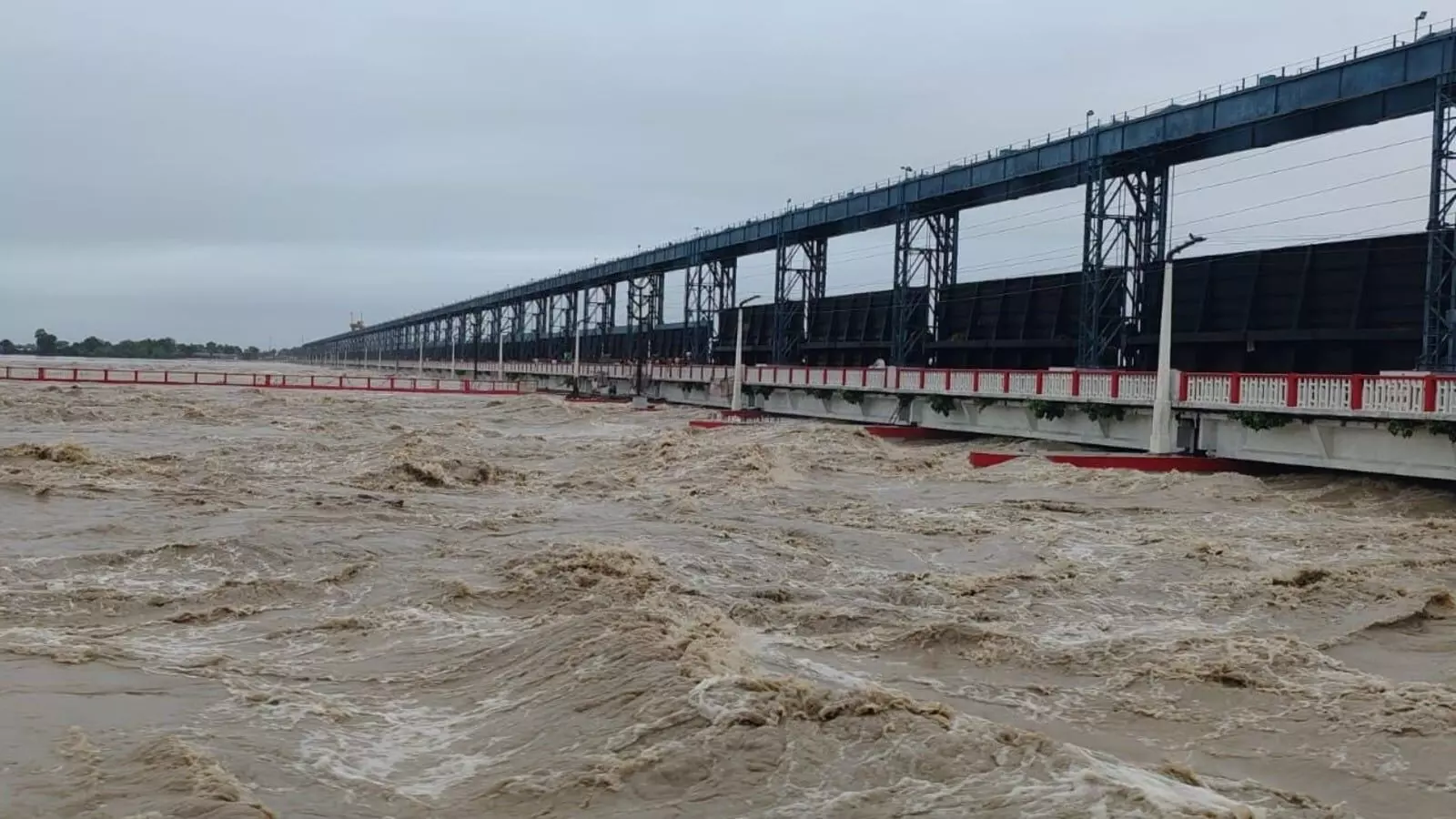
As the Yamuna River's water levels continue to rise alarmingly, the situation in Delhi and its surrounding areas has become critically precarious. On Wednesday evening, the river reached a staggering 207.33 meters, surpassing the record levels set in 2013. This surge not only poses a risk to the city’s infrastructure but has also started to impact relief camps set up for those displaced by the flooding.
Evacuations Underway Amid Rising Waters
In response to the escalating crisis, the administration has initiated the process of evacuating residents from flood-prone areas. Relief camps in the Yamuna Bazaar region have been inundated, forcing authorities to relocate those who were previously brought to safety. As I walked through the affected areas, the urgency in the air was palpable. People were hurriedly packing their belongings as they prepared to move to safer locations. The Central Water Commission (CWC) has issued a new advisory, warning that the water level may reach 207.40 meters by tonight, which is above the danger mark.
Heavy Rainfall and Its Consequences
The situation has been exacerbated by heavy rains in the upper states, contributing to the rapid increase in the river's flow. The weather department has issued an orange alert for the next two days, indicating that residents should remain vigilant. With the continuous rise in water levels, the authorities have urged families living near the riverbanks to evacuate to safer grounds.
Traffic Disruptions Amid Flood Preparations
The Delhi Police have also issued traffic alerts due to the flooding. Major routes, particularly the Outer Ring Road from Majnu Ka Tila to the Salimgarh Bypass, are experiencing significant disruptions. Diversions have been set up, and commuters are advised to seek alternative routes. It’s a reminder of how natural disasters can disrupt daily life and transportation.
Rescue Operations and Community Support
In light of the flooding, Delhi's government has activated its flood control room, working around the clock to monitor the situation. Emergency helplines have been established, and rescue teams are on high alert. During a recent visit to the ITI Barrage, Delhi's PWD Minister Pravesh Verma assured that they are prepared to handle the impending crises, emphasizing that the city will not experience the same devastating conditions as in 2023. However, the reality on the ground tells a different story, with residents expressing concern over the lack of adequate support. Many homes have been compromised, and crops have been submerged, with reports indicating that around 20,000 bighas of rice crops are at risk.
The Broader Impact: A Call for Action
With water levels dangerously close to the flood threshold, it is crucial for both local authorities and communities to work together. The situation calls for immediate action to ensure the safety of residents, particularly those in vulnerable areas. Engaging community leaders in flood preparedness and response could significantly enhance the effectiveness of relief efforts. As we watch the river rise, it serves as a stark reminder of the challenges posed by climate change and the urgent need for sustainable practices to mitigate such disasters in the future.