When Bihar’s Chief Ministers Walked Alone
Bhola Paswan Shastri’s simplicity, Ram Sunder Das’s tea-stall chats, and Lalu Prasad Yadav’s cavalcades trace a journey from austerity to spectacle.
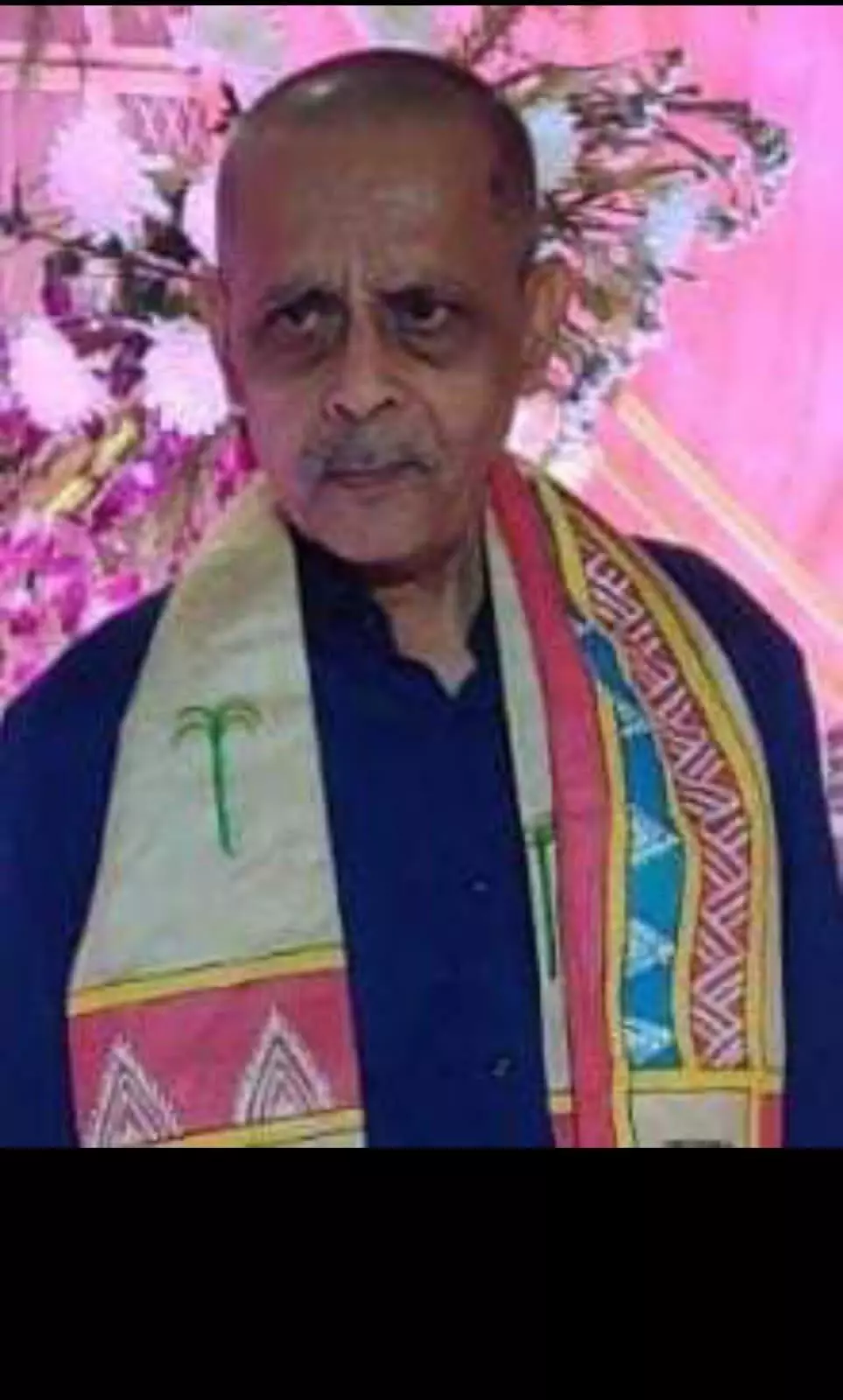
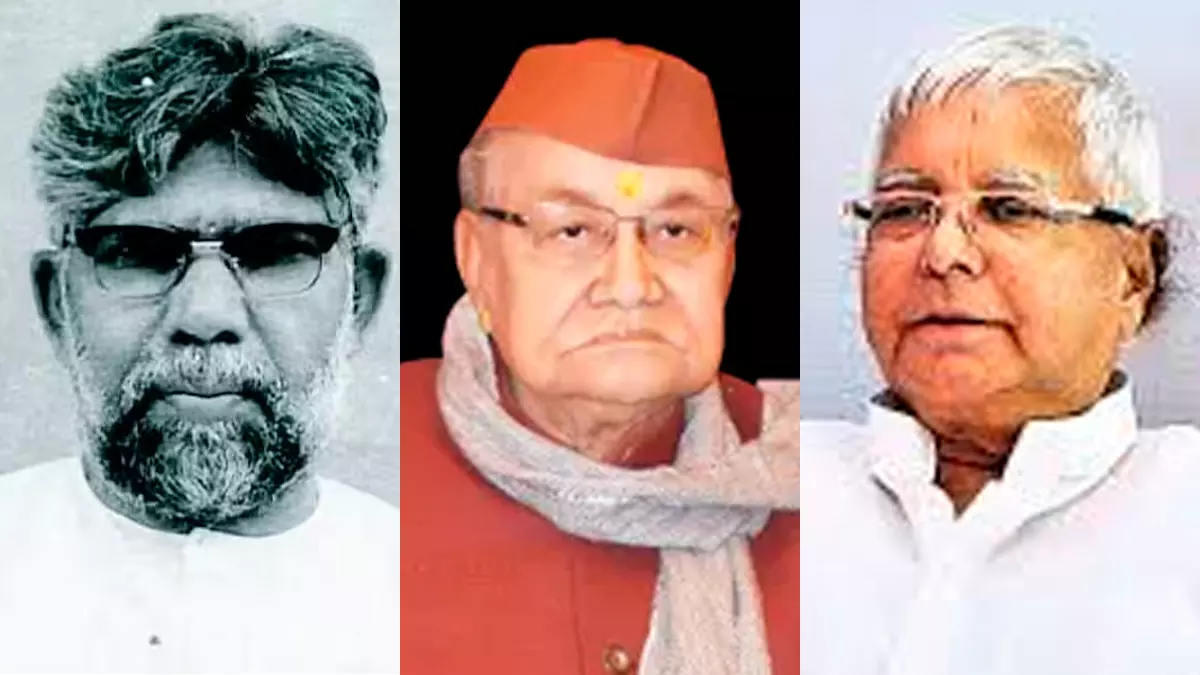
Patna—In an era when even local legislators rarely step out without an armed escort, Bihar once had chief ministers who moved through the state without a single guard.
Take Bhola Paswan Shastri, Bihar’s first Dalit chief minister. Whether in Patna or in his Koira constituency, Shastri never cared for security. He held the top office three times, led the Opposition in the Rajya Sabha and served in Indira Gandhi’s cabinet as housing and urban affairs minister—yet he shunned pilot cars and escort vehicles.
From his Secretariat office, Shastri often walked back alone in the evenings to his quarters near Sanjay Gandhi Park. He refused the official CM bungalow, preferring a forest department guesthouse. Married but living apart from his wife and without children, he remained strikingly private.
Anecdotes about his simplicity abound. Former Katihar deputy collector Brahmdev Ram once found Shastri sitting alone on a railway platform late at night, waiting for a train to Patna. Later, Shastri himself recounted to journalists how Indira Gandhi once asked how he spent his time in Delhi.
“When Parliament is in session, I stay there. In the mornings I listen to Vividh Bharati. If I feel like it, I go for a movie,” he told her.
“You go to the cinema alone?” Gandhi asked.
“Not really,” Shastri replied with a smile. “The guard who buys the ticket comes along.”
Ram Sunder Das, who became chief minister during the Janata Party era, lived with similar austerity. He chose a modest three-room government quarter in Patna’s R Block, walked daily to the Mahavir Temple near Patna Junction, umbrella in hand, and never missed buying a lottery ticket on the way. His route cut through Ashok Cinema Lane, where he often joined journalists at a tea stall.
On the eve of his swearing-in, reporters teased him: “This is your last cup of tea here. Tomorrow you’ll be chief minister.” Das, unaware of the party’s decision, laughed it off. As CM, he remained so accessible that people could walk into his bedroom to get their grievances addressed.
The culture of sirens and motorcades arrived later, with Lalu Prasad Yadav. Former junior home minister Gautam Sagar Rana recalls one telling incident.
“Lalu ji called me to the CM’s residence and said, ‘Come, let’s see how power is run.’ By the time we stepped out, sirens were already blaring. At a crossing, a truck tried to overtake the cavalcade. Lalu ordered his driver to cut it off, leapt out, grabbed the trucker by the collar and barked, ‘Can’t you drive properly?’”
The six-foot driver shouted back until Lalu turned to the district magistrate beside him: “Arvind Babu, catch this man. Imagine if he had killed the chief minister of Bihar—what would have become of the state?” Only then did the trucker realise whom he had challenged.
From Shastri’s solitary walks to Das’s tea-stall chats and Lalu’s siren-led cavalcade, Bihar’s political street theatre tells the story of how power—and its trappings—has changed beyond recognition.