When Fiction Feels Like Intel: "Ikhtitam" Blurs Lines Between Thriller and Reality
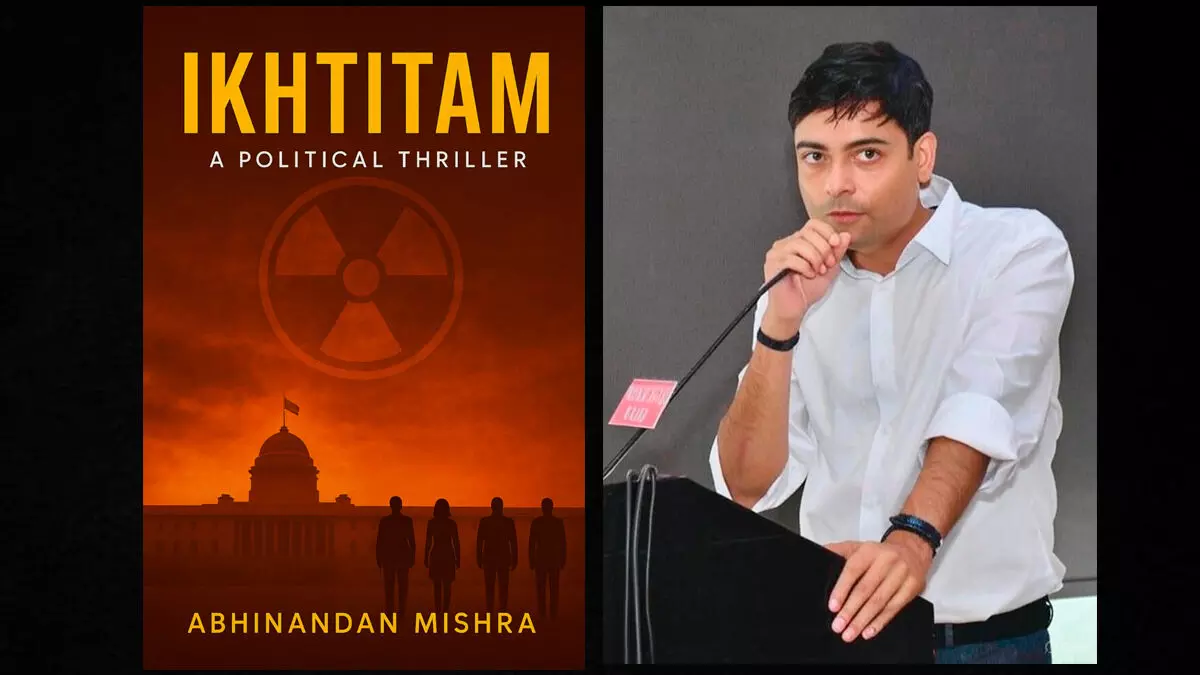
Some novels entertain; Ikhtitam demands attention. Written by Abhinandan Mishra, a New Delhi based journalist whose exposés on corruption and security threats have shaped national debates, it feels transcribed from the shadows of power. Stitched from field notes and whispered intel, the book blurs fiction and reportage with unsettling precision.
At its core is Krishna, a former pilot turned politician, navigating a brutal election season where campaign finance, espionage, and terror threats collide. Aides, journalists, and operatives orbit him, each threading the narrative through politics, finance, and security. The message is stark: votes, money, and survival are entwined.
The novel’s strength is its granular detail. Election timetables, hawala networks, intercepted chatter—Ikhtitam doesn’t gesture at threats but dissects their mechanics. This authenticity, rooted in Abhinandan’s reporting, lends weight but can be overwhelming, mirroring the chaos of high-stakes decisions. Readers may find the intensity both exhilarating and exhausting.
The prose is lean, unsentimental. Characters, defined by choices under pressure, lack deep inner lives, a minor flaw that keeps the focus on action. Krishna’s fractured past grounds him, but the story never slows. Many figures echo real-world players in politics and security—names altered, yet hauntingly familiar.
Local textures anchor the narrative. From ministries to bazaars, campaign stages to safehouses, settings are rendered with a reporter’s eye, showing power’s machinery through the lives it touches. These vivid scenes ground a story that spans global conspiracies.
The pacing is relentless. Dossiers, intercepts, hurried briefings pour in, driving a rhythm that thrills some and fatigues others. Yet this rush is deliberate, reflecting the stakes of a nation on edge.
Beneath the suspense, Ikhtitam probes darker questions: how institutions bend, how disinformation erodes trust, how democracies falter under manipulation. It warns that stability is fragile, catastrophe always near. Unlike most thrillers, it offers no comfort—victories are shadowed by compromise, leaving unease that lingers.
Cinematic in scope, Ikhtitam’s sweep of politics and espionage would storm the screen, its realism both gripping and haunting. Demanding and disturbingly plausible, it’s more than a thriller—it’s a warning cloaked in fiction, a bold debut in serious political storytelling.
The ending is what will differentiate this tale from others.
Available at- https://mybook.to/Ikhtitam and https://www.amazon.in/dp/B0FMXH82ZL