ZG Case Becomes Assam’s Pre-Poll Flashpoint as BJP Faces Internal, Public Pressure

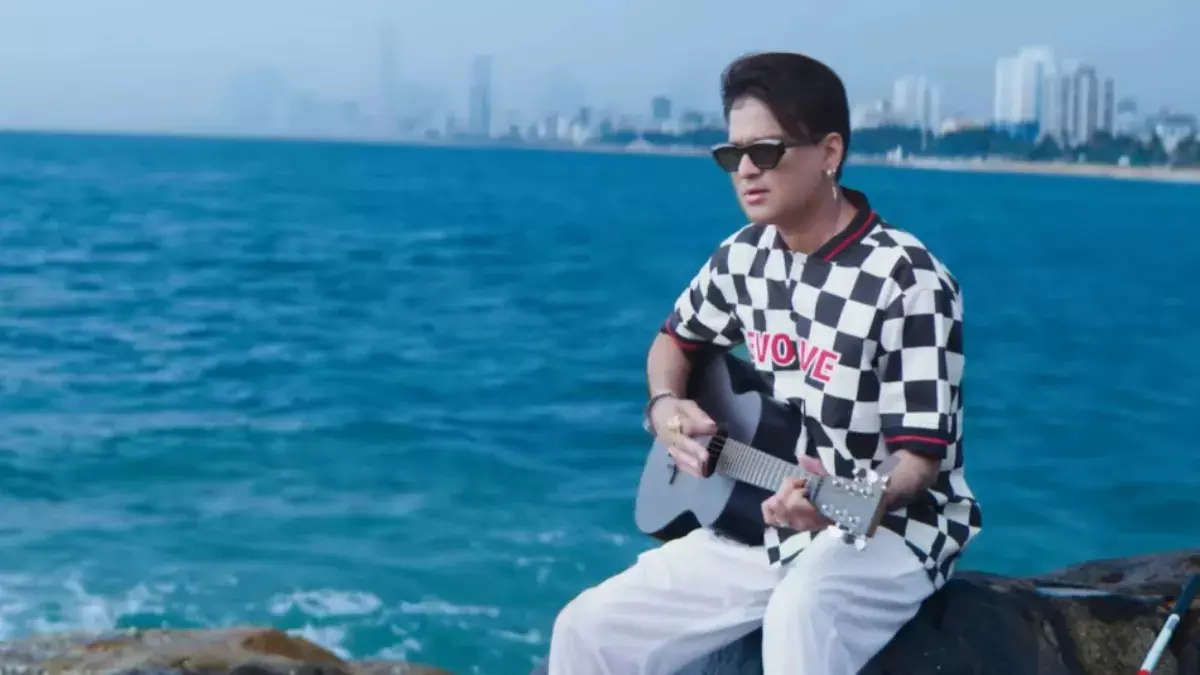
The political tremors set off by the death of singer Zubeen Garg have moved well beyond the cultural world and settled firmly into Assam’s pre-election landscape. With less than a year to go for the 2026 Assembly polls, the handling of the case has become an unexpected stress point for the ruling BJP and a rallying point for a fragmented opposition.
The SIT inquiry into the circumstances leading to Garg’s death remains under scrutiny, with persistent questions about the timeline and conduct of those last seen with the singer. For a government accustomed to projecting swift action, the lack of clarity has triggered discomfort inside the system.
Chief Minister Himanta Biswa Sarma has dismissed the controversy as “political noise”, insisting the government is committed to delivering justice. But the unease inside the BJP surfaced when former Chief Minister Sarbananda Sonowal’s legal adviser, Shantanu Bharali, publicly remarked that “big heads” may be obstructing the probe. In the careful language of the party’s internal politics, this was read as a signal of frustration.
Sonowal, who enjoys a clean image and steady rapport with the central leadership, has also re-emerged more visibly in state political engagements. His growing presence has prompted quiet speculation about leadership recalibration if political pressure mounts on the Chief Minister.
The Congress, which has struggled to find a cross-cutting issue in recent years, has positioned the ZG case as evidence of “administrative breakdown” and “elite impunity”. It has questioned contradictions in official accounts and the prolonged SIT process, suggesting the government may be shielding influential individuals.
For Independent MLA Akhil Gogoi, the issue has become a platform to directly target the Chief Minister. He has alleged involvement of persons “close to the CM” and demanded judicial oversight of the probe, arguing that the SIT lacks neutrality. His sharp rhetoric has resonated with youth groups, particularly in urban areas where cultural grievances often align quickly with political mobilisation.
Meanwhile, Garg’s widespread fan community — diverse, non-partisan and largely unstructured — has sustained public pressure through demonstrations demanding “Justice for Zubeen”. Their mobilisation, which sits outside political party structures, has added an unpredictable element to the evolving situation.
Within the BJP, there is growing concern that if the SIT does not deliver a conclusive report before the campaign cycle intensifies, the opposition could weaponise public distrust. At the same time, signals from Delhi suggest the central leadership is watching the internal dynamics between Sarma and Sonowal closely.
With each political camp now framing its stakes around the case, the Zubeen Garg issue has moved from the realm of cultural loss to a political faultline. As the election approaches, it stands poised to influence voter sentiment in ways the ruling party had not anticipated.