A New Dawn for Indian Sports: Why the National Sports Governance Bill is Long Overdue
The National Sports Governance Bill 2025 promises to bring transparency and accountability to Indian sports administration, addressing decades of governance controversies and scandals.

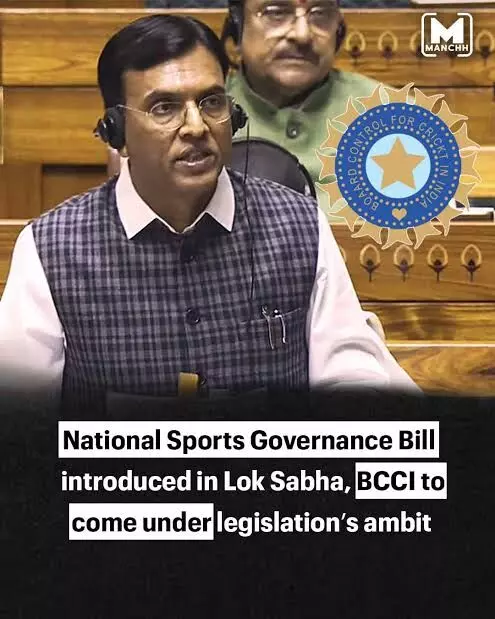
News Credit SOCIAL MEDIA
The introduction of the National Sports Governance Bill 2025 in Parliament marks a watershed moment for Indian sports administration. After decades of governance controversies, legal battles, and administrative chaos plaguing our National Sports Federations (NSFs), this legislation promises to usher in an era of transparency, accountability, and athlete-centric governance that our sporting ecosystem desperately needs.
The Urgency of Reform
Indian sports has long been marred by governance scandals, opaque decision-making, and the marginalization of athlete voices. From election disputes in various federations to questions about transparency in financial matters, our sports bodies have frequently found themselves embroiled in controversies that detract from their primary mission of promoting sporting excellence. The Board of Control for Cricket in India (BCCI), despite its financial success, has operated with considerable autonomy, often beyond the purview of standard governance frameworks that apply to other sports federations.
The draft bill represents a significant legislative effort to enhance governance and ethical standards of sport, addressing systemic issues that have hampered our sporting progress for years. Most concerning has been the pattern of NSFs and the Indian Olympic Association (IOA) getting entangled in various court cases, often necessitating judicial intervention in what should be routine administrative matters.
Key Transformative Provisions
The bill’s most significant achievement lies in converting previously executive guidelines into binding legal framework. It introduces legal safeguards for athletes, standardized elections, grievance redressal, and institutional oversight, creating enforceable standards across all recognized sports bodies.
Perhaps most importantly, the legislation mandates athlete representation in decision-making processes. For too long, decisions affecting athletes’ careers and welfare have been made without meaningful input from the very people these policies impact. The bill mandates athlete inclusion through Athlete Committees and representation of Sportspersons of Outstanding Merit (SOM), ensuring that those who understand the ground realities of competitive sport have a voice in governance.
The establishment of standardized electoral processes represents another crucial reform. The bill seeks to ensure fair and transparent elections via election panel, potentially ending the cycle of disputed elections that have plagued numerous federations. Additionally, the creation of a Sports Tribunal for quick dispute resolution addresses the chronic problem of sports-related conflicts getting mired in lengthy legal proceedings.
The BCCI Question: Equality in Governance
One of the most significant aspects of this legislation is its explicit inclusion of the BCCI within its purview. For the first time, the BCCI is clearly brought under the purview of the bill, with major reforms including a mandatory annual recognition process and a maximum age cap of 70 for office-bearers.
This move toward uniform governance standards is both necessary and overdue. While cricket’s commercial success has afforded the BCCI considerable independence, the principle of good governance should apply equally to all sports bodies, regardless of their financial clout. The introduction of age limits and mandatory recognition processes ensures that all federations, including cricket’s governing body, operate under consistent transparency and accountability standards.
Addressing Systemic Challenges
The bill tackles several long-standing issues that have undermined Indian sports. The legislation aims to tackle doping, age fraud, and introduces sweeping reforms, including transparency in governance and faster dispute resolution. These provisions address fundamental integrity issues that have occasionally tarnished Indian sports’ reputation internationally.
The anti-doping framework deserves particular attention, as it strengthens NSFs’ role in implementing clean sport initiatives. By making federations significant stakeholders in the fight against doping, the bill aligns Indian sports governance with international best practices and Olympic Charter requirements.
Potential Challenges and Concerns
While the bill’s intentions are commendable, implementation will face significant challenges. Established power structures within sports federations may resist changes that dilute their traditional authority. The age limit provision, while promoting fresh leadership, may face pushback from veteran administrators who view sports governance as their domain.
Financial transparency requirements, though necessary, may create initial administrative burdens for smaller federations with limited resources. The government must ensure adequate support and guidance during the transition period to prevent well-intentioned reforms from becoming bureaucratic obstacles.
International Alignment and Olympic Goals
Designed in alignment with the Olympic Charter and Paralympic Charter, the Act establishes best international practices, positioning Indian sports governance in line with global standards. This alignment is crucial as India prepares for major international competitions, including the 2028 Los Angeles Olympics.
The bill’s emphasis on athlete welfare and ethical conduct reflects international sporting community expectations. Good governance isn’t just about administrative efficiency; it’s about creating an environment where athletes can thrive, knowing their interests are protected and their voices heard.
The Path Forward
The National Sports Governance Bill 2025 represents more than legislative reform; it embodies a philosophical shift toward athlete-centered, transparent, and accountable sport governance. The Act when enacted will promote strong governance, ethical standards, and legal accountability to build a fair and transparent sports system, helping India become a global leader in sports.
Success will depend on implementation quality and stakeholder buy-in. Sports federations, athletes, and administrators must embrace these changes as opportunities for positive transformation rather than threats to established order. The government must provide adequate resources and support to ensure smooth transition while maintaining firm resolve in enforcing compliance.
The National Sports Governance Bill 2025 arrives at a critical juncture in Indian sports history. As we aspire to sporting excellence on the global stage, the foundation of good governance becomes paramount. This legislation provides the framework for transparent, accountable, and athlete-centric sports administration that India needs.
The success of this bill will be measured not just in reduced litigation or smoother elections, but in the enhanced performance of Indian athletes who will benefit from better-governed federations focused on their development and welfare. The time for half-measures and administrative convenience has passed. Indian sports deserves nothing less than world-class governance, and this bill provides the roadmap to achieve it.
The question now is not whether we need this reform—that debate is settled. The question is whether we have the collective will to implement it effectively and create the sporting ecosystem that Indian athletes and sports enthusiasts deserve.