India’s Pragmatic Pivot: Why New Delhi’s Engagement with the Taliban Makes Strategic Sense
India upgrades diplomatic presence in Afghanistan, marking a significant shift in its approach to Taliban-governed country. Learn more about the implications and strategic rationale behind this move.

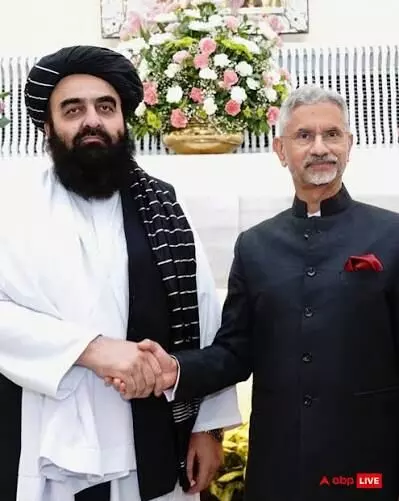
In a striking departure from its traditional posture, India has quietly upgraded its technical mission in Kabul to a full diplomatic presence, marking a significant shift in its approach to Taliban-governed Afghanistan. This move, following several rounds of quiet talks between Indian officials and Taliban representatives, has raised eyebrows across global capitals and sparked debate about the evolving geopolitical landscape in South Asia.
For those steeped in Cold War-era thinking, India’s engagement with the Taliban appears contradictory, even dangerous. After all, New Delhi invested billions in Afghanistan’s democratic experiment, supporting successive governments in Kabul and positioning itself as a counterweight to Pakistani influence. The Taliban’s August 2021 takeover seemingly demolished two decades of Indian strategic investment overnight. Yet the current rapprochement, far from representing capitulation, reflects a mature, clear-eyed assessment of ground realities and India’s enduring interests in its extended neighborhood.
The historical context matters enormously. India has long maintained that its Afghanistan policy rests on three pillars: supporting Afghan sovereignty, backing an Afghan-led reconciliation process, and opposing the use of Afghan soil for terrorism. When the Taliban swept back to power, these principles appeared compromised. However, the intervening years have demonstrated that disengagement serves neither Indian interests nor Afghan stability. Nature abhors a vacuum, and so does geopolitics. India’s absence would simply create space for actors whose interests diverge sharply from New Delhi’s vision for regional stability.
The decision to upgrade diplomatic representation represents calculated pragmatism rather than ideological flexibility. India faces genuine security concerns emanating from Afghanistan. The presence of anti-India terrorist groups, some with historical links to Pakistan’s intelligence apparatus, remains a legitimate worry. Maintaining channels of communication with Kabul’s de facto rulers provides intelligence gathering opportunities and allows India to voice concerns directly rather than relying on intermediaries. This engagement doesn’t constitute endorsement; it constitutes statecraft.
Economic considerations also drive this recalibration. India has substantial development investments in Afghanistan, from the Afghan parliament building to the Salma Dam, from road networks to educational institutions. These projects represent not merely monetary investments but soft power assets that generate genuine goodwill among ordinary Afghans. Abandoning this legacy would squander decades of goodwill and cede influence to regional competitors, particularly China, which has already begun positioning itself as Afghanistan’s primary external partner.
The humanitarian dimension cannot be ignored. Afghanistan faces catastrophic humanitarian challenges, with millions requiring food assistance and basic services. India has provided wheat shipments and medical supplies even under Taliban governance, demonstrating that humanitarian concerns transcend political recognition. A diplomatic presence enables more effective delivery of assistance and ensures Indian aid reaches intended beneficiaries rather than being diverted or politicized.
Regional connectivity represents another compelling rationale. The International North-South Transport Corridor, Chabahar Port in Iran, and Central Asian trade routes all require Afghan stability and cooperation. India’s economic ambitions in Central Asia depend substantially on access through or around Afghanistan. Excluding the Taliban from conversations about regional economic integration guarantees those projects will falter. Engagement, conversely, creates possibilities for progress even amid political disagreements.
Critics argue that engaging the Taliban legitimizes an oppressive regime with an abysmal human rights record, particularly regarding women’s rights and freedoms. This criticism deserves serious consideration. The Taliban’s restrictions on women’s education and employment constitute moral outrages that violate fundamental human dignity. However, diplomatic engagement need not imply moral approval. Indeed, maintaining dialogue provides leverage to raise precisely these concerns in ways that public condemnation cannot. The international community’s collective cold shoulder has not improved conditions for Afghan women; perhaps sustained engagement, with clear benchmarks and expectations, might prove more effective.
India’s approach also reflects lessons learned from the international community’s failures in Afghanistan. The previous government’s collapse demonstrated that external actors cannot impose governance models without indigenous support and legitimacy. The Taliban, whatever one thinks of their ideology, currently control Afghan territory and command a degree of domestic acquiescence, if not enthusiasm. Refusing to acknowledge this reality doesn’t change it; it merely limits policy options.
Pakistan’s reaction to Indo-Taliban engagement merits attention. Islamabad has historically viewed Afghanistan as providing “strategic depth” against India and cultivated Taliban ties for decades. India’s direct engagement with Kabul potentially circumvents Pakistani gatekeeping and challenges Islamabad’s assumed monopoly on Taliban access. This development likely causes considerable anxiety in Pakistani military and intelligence circles, which have long sought to prevent Indian influence in Afghanistan. From New Delhi’s perspective, demonstrating that India can engage Afghanistan directly, regardless of Pakistani preferences, represents a significant strategic achievement.
The Chinese dimension adds another layer of complexity. Beijing has maintained contacts with the Taliban throughout their insurgency and subsequent return to power, primarily focused on preventing Uyghur militants from using Afghan territory. China’s Belt and Road Initiative envisions Afghanistan as a crucial link in continental connectivity. India’s engagement ensures it remains relevant in conversations about Afghanistan’s future rather than watching from the sidelines as China and Pakistan shape outcomes.
The path forward requires careful calibration. India should maintain engagement while preserving its principles, using diplomatic presence to advocate for inclusive governance, protection of minorities, and respect for human rights. Economic assistance should continue but remain conditional on tangible improvements in governance and social conditions. Intelligence cooperation on counterterrorism should be pursued while recognizing the limitations of Taliban reliability. Cultural and educational exchanges, particularly supporting Afghan students and preserving cultural heritage, should expand.
The international context also demands consideration. While Western nations maintain their distance from formal Taliban recognition, many have established informal working relationships. India’s approach aligns with this pragmatic middle ground—engaging without endorsing, communicating without legitimizing, pursuing interests without compromising principles.
Ultimately, India’s upgraded diplomatic presence in Afghanistan represents neither capitulation nor betrayal of values. It acknowledges that foreign policy must grapple with the world as it exists, not as we wish it to be. For a rising power with global ambitions, India cannot afford to sit out developments in its immediate neighborhood. The Taliban govern Afghanistan today, and probably will tomorrow. Indian interests require engagement with that reality.
This pragmatic turn demonstrates diplomatic maturity befitting India’s aspirations as a leading power. The measure of successful foreign policy isn’t ideological purity but advancing national interests while remaining true to fundamental values. India’s Afghanistan policy, evolved through hard experience and clear-eyed analysis, strikes that delicate balance. Whether it succeeds depends not on whether we approve of the Taliban, but whether India can leverage engagement into tangible benefits for its security, its regional position, and ultimately, for the long-suffering people of Afghanistan.