IndiGo’s Crisis of Confidence: How India’s Largest Airline Lost Its Way
IndiGo's massive flight cancellations expose deeper issues in India's aviation sector, raising questions about governance, passenger welfare, and regulatory oversight.

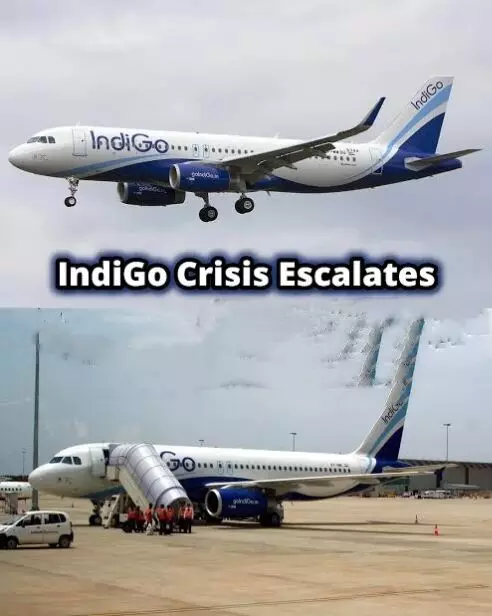
A System in Freefall :On December 5, 2025, India’s busiest airports descended into chaos. Thousands of passengers slept on floors, queued for hours, and vented their frustration online as IndiGo, the country’s largest airline, canceled over 1,600 flights in a single day—its worst operational meltdown in two decades.
The crisis, triggered by the airline’s failure to adapt to new pilot rest rules, exposed not just logistical failures but a deeper malaise: a culture of complacency, poor planning, and a disregard for passenger welfare.
The Roots of the Crisis: A Failure to Plan
The immediate cause was the implementation of the Flight Duty Time Limitations (FDTL), new regulations designed to combat pilot fatigue and enhance safety. These rules, phased in over two years, required airlines to increase weekly rest periods for pilots and restrict night-time flying. While other carriers adapted, IndiGo—despite its market dominance and resources—failed to prepare. The Federation of Indian Pilots (FIP) accused the airline of a “lackadaisical, nonchalant attitude,” pointing to a hiring freeze, non-poaching agreements, and a pay freeze that left the airline short-staffed when the rules took full effect.
IndiGo’s CEO, Pieter Elbers, admitted to “misjudgement and planning gaps,” but the damage was already done. The airline, which controls nearly 65% of India’s domestic market, saw its on-time performance plummet to 8.5% on December 5, down from 19.7% the previous day.
The ripple effects were catastrophic: stranded passengers, lost luggage, and a surge in fares as competitors struggled to absorb the overflow.
The Human Cost: Passengers Pay the Price
The crisis struck during India’s peak wedding and holiday season, leaving families separated, travelers stranded, and businesses disrupted. At Delhi’s Indira Gandhi International Airport, passengers described “complete mayhem,” with delays of up to eight hours, lost baggage, and no clear communication from the airline. The government’s temporary cap on airfares provided little relief, as the damage to trust was already done.
IndiGo’s response—public apologies, refunds, and support measures—felt reactive rather than proactive. The airline’s promise to stabilize operations by December 10–15 was met with skepticism, especially after it admitted that full normalcy might not return until February 2026.
Regulatory Scrutiny and the Road Ahead
The Directorate General of Civil Aviation (DGCA) issued show-cause notices to IndiGo’s top executives, citing “significant lapses in planning, oversight, and resource management.” The government, facing public outrage, ordered a 10% reduction in IndiGo’s flights until it could demonstrate operational stability.
Civil Aviation Minister Ram Mohan Naidu warned that “no airline, however large, will be permitted to cause such hardship to passengers through planning failures.”
The crisis has also reignited debates about market concentration. Critics, including opposition leader Rahul Gandhi, blamed the “government monopoly model,” arguing that IndiGo’s dominance—built on aggressive expansion and cost-cutting—had left the sector vulnerable to systemic shocks.
Lessons Unlearned: A Wake-Up Call for Indian Aviation
IndiGo’s meltdown is a cautionary tale. It reveals the dangers of complacency in a fast-growing market, where rapid expansion can outpace operational resilience. The airline’s failure to anticipate and adapt to regulatory changes underscores the need for better governance, transparency, and contingency planning.
For passengers, the crisis is a reminder of the fragility of India’s aviation infrastructure. For regulators, it is a call to enforce stricter oversight and ensure fair competition. And for IndiGo, it is a moment of reckoning: either rebuild trust through genuine reform or risk losing its hard-won reputation as India’s most reliable carrier
A Test of Leadership
As IndiGo works to restore normalcy, the real test lies ahead. Can it regain passenger confidence? Will it invest in the people and systems needed to prevent another crisis? The answers will shape not just the airline’s future, but the trajectory of Indian aviation as a whole.
One thing is clear: in a country where air travel is no longer a luxury but a necessity, the cost of failure is too high to ignore.