Opinion | Governments Change, but Exploitation of Millions of Working Women in India Persists Beyond International Women’s Day
Despite policy promises and symbolic celebrations on International Women’s Day, millions of working women in India—especially in contractual and informal sectors—continue to face mental, economic and physical exploitation.

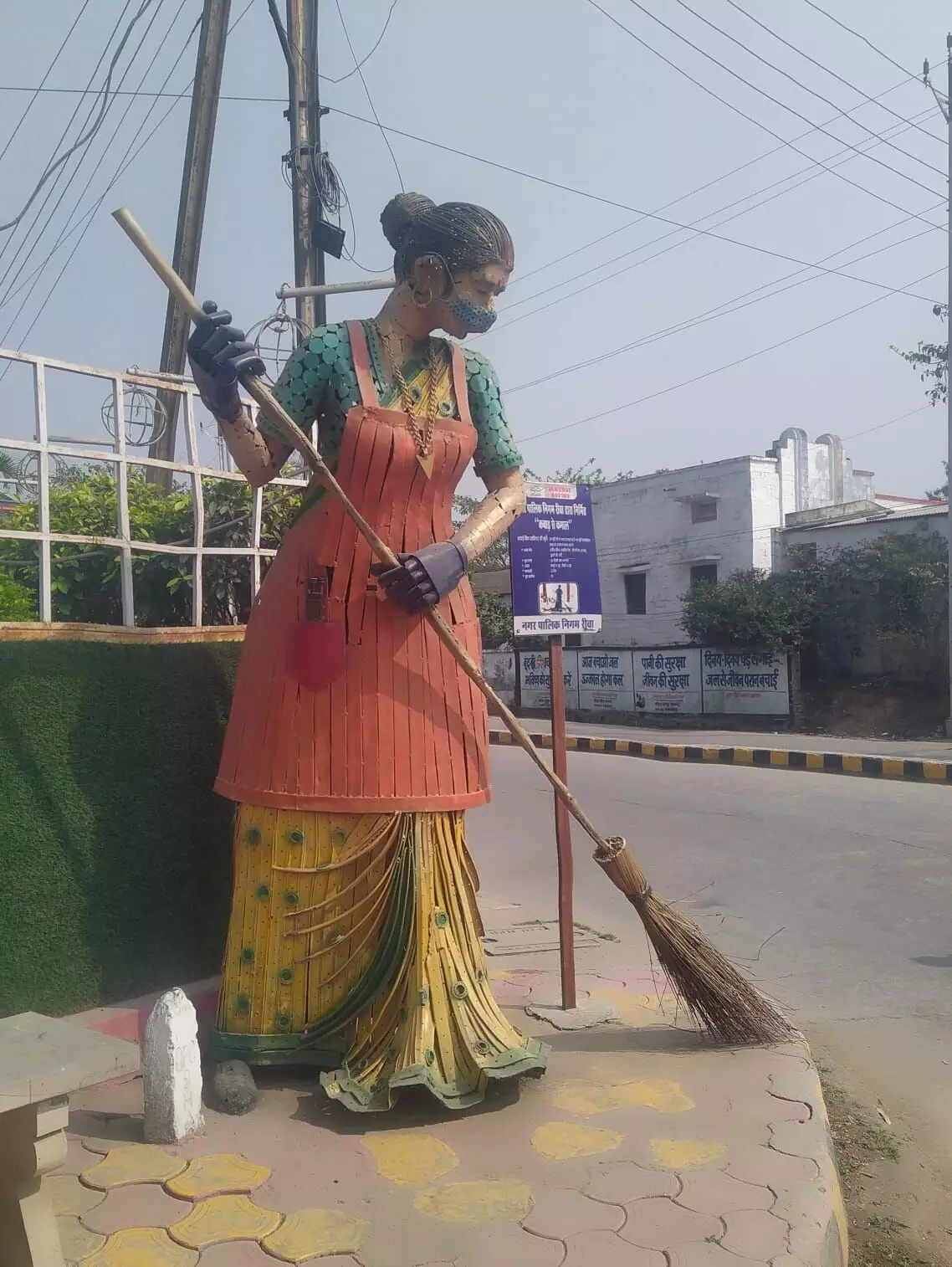
In India, governments at both the central and state levels change from time to time. However, what rarely changes is the fate and condition of millions of working women. Even the free government facilities and benefits that are meant for them are often provided in a humiliating or dismissive manner. A peculiar example of this can be seen in facilities such as free travel in DTC buses and maternity leave.
Regardless of which political party forms the government, the mental, economic and physical exploitation of working women from poor and middle-class backgrounds continues unabated. Women employed in government services, contractual government jobs, private sector positions and the unorganised sector—as well as PhD researchers, female labourers and domestic workers—often face cruel treatment and inappropriate behaviour. A large number of Indian women are compelled to endure such exploitation due to their circumstances.
Even on March 8, the day celebrated worldwide as International Women’s Day, when grand announcements and symbolic celebrations take place, hundreds of women working on contract with the Delhi Transport Corporation in the national capital continue to suffer exploitation. For them, a permanent job remains nothing more than a distant dream.
Over the past few decades, through a nexus between the government and the private sector, millions of jobs have been created in a manner that enables employers to hire workers at extremely low wages. Positions such as sanitation workers, security guards, Multi-Tasking Staff, data entry operators, female bus conductors, drivers, nurses and other private employees are increasingly recruited through such arrangements. In many cases, the basis for hiring and retaining these employees depends on how far working women are willing—or compelled—to compromise.
Women often face pressure at various stages: while entering a job, when seeking re-employment after renewal of the contract of private agencies and sometimes even through demands for monthly commissions or personal services extending beyond the workplace. From senior officials in large government departments and ministries to lower-level employees, many become part of this chain of additional income and benefits.
Several prominent institutions and ministries—including the Ministry of Education, the Ministry of Commerce and Industry, the Ministry of MSME, the Ministry of Railways, the Ministry of Health and Family Welfare, DRDO and the Ministry of Information and Broadcasting—along with private companies operating on government contracts, have been alleged to be linked to such exploitative practices. If a victimised woman even cautiously raises her voice or delays paying a demanded amount—sometimes fifty thousand rupees or two to three months’ salary—she can be dismissed abruptly, as if she were expendable.
This constitutes a disturbing underworld of mental, physical and economic exploitation in which millions of frightened and vulnerable women remain trapped. This “bonded employment industry” operates openly in front of the authorities, yet continues largely unchecked.
For such working women, the celebrations, awards and ceremonies organised on International Women’s Day often appear meaningless. Many women with family responsibilities feel compelled by circumstances to tolerate exploitation in various forms. This vulnerability is precisely what allows such exploitative systems to flourish.
From admission into PhD programmes to the completion of degrees, hidden dynamics sometimes enrich certain supervisors and administrators. Reports of exploitation by some research supervisors have surfaced across the country, although many honest and scholarly professors also suffer reputational damage due to the actions of a few. The issue of substandard research, fake theses or unqualified supervisors and researchers has itself become a long and complex national concern.
Institutions such as Sampurnanand Sanskrit University in Varanasi, Awadhesh Pratap Singh University in Rewa, Delhi University in the national capital and Munger University in Bihar—along with several other organisations—have periodically faced controversies related to women’s issues.
Women working on a contractual basis or in the unorganised sector also suffer from other disadvantages. They often receive neither adequate leave nor bonuses, while medical benefits and other facilities remain promises rather than realities. If a married woman becomes pregnant, she may technically receive maternity leave, but upon returning to work she can be pushed out of her position in subtle or direct ways.
Studies also indicate that employers in such sectors often prefer unmarried women, as they are perceived to be easier to control within this newly emerging employment system.
In such circumstances, the challenges faced by millions of working women remain a serious social issue—one that requires far more than symbolic observances to address. Real change demands systemic reforms, accountability and genuine commitment to ensuring dignity, security and equality for women in the workplace.