Punjab’s Health Card Revolution: Progress, Promise, and Persistent Challenges
Punjab's Mukhyamantri Health Card Scheme has transformed healthcare access, but challenges persist. Read about its progress, promise, and future potential.

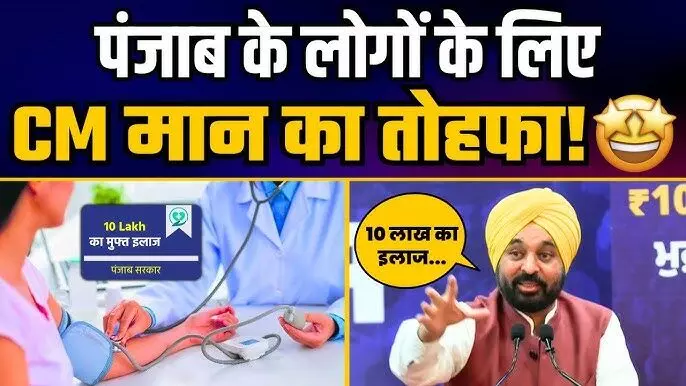
Punjab’s Mukhyamantri Health Card Scheme represents one of India’s most ambitious attempts at democratizing healthcare access. Launched with the promise of providing cashless medical treatment up to ₹5 lakh per family annually, this initiative has fundamentally altered the healthcare landscape for millions of Punjabis. However, as the scheme matures, it’s crucial to examine both its remarkable successes and the structural challenges that continue to impede its full potential.
Breaking Down Barriers to Healthcare Access
The scheme’s most significant achievement lies in dismantling the financial barriers that historically prevented Punjab’s vulnerable populations from accessing quality healthcare. For families who once mortgaged their homes or borrowed at exorbitant interest rates to fund medical emergencies, the health card has provided genuine relief. Rural communities, particularly those in remote districts, have witnessed unprecedented access to specialized treatments previously available only to urban elites.
The psychological impact cannot be understated. Patients no longer delay seeking treatment due to cost concerns, leading to earlier interventions and better health outcomes. Cancer patients, cardiac cases, and those requiring complex surgeries now approach treatment with hope rather than financial despair. This shift represents a fundamental transformation in how healthcare is perceived and accessed across Punjab’s socioeconomic spectrum.
Digital Infrastructure: The Backbone of Success
The scheme’s reliance on digital infrastructure has streamlined processes and reduced bureaucratic friction. The electronic health card system has minimized paperwork, enabled real-time claim processing, and created transparency in medical billing. Hospitals can instantly verify beneficiary eligibility, while patients receive immediate confirmation of coverage, eliminating the uncertainty that once plagued government health schemes.
This technological foundation has also generated valuable health data, enabling policymakers to identify disease patterns, resource allocation needs, and gaps in service delivery. Such data-driven insights are crucial for evidence-based healthcare planning and resource optimization.
Economic Ripple Effects
Beyond individual health outcomes, the scheme has created significant economic ripple effects. Private hospitals, initially skeptical about government reimbursement rates, have increasingly participated as patient volumes grew. This has driven competition, improved service quality, and expanded healthcare infrastructure across the state.
The scheme has also provided economic security to families, preventing the catastrophic healthcare expenditures that push households into poverty. Studies indicate that beneficiary families have maintained better financial stability, allowing them to invest in education, business ventures, and other productive activities rather than depleting savings for medical emergencies.
Implementation Challenges: The Reality Check
Despite these successes, significant implementation challenges persist. Reimbursement delays to healthcare providers remain a critical issue, straining hospital finances and occasionally compromising service quality. Many private hospitals report lengthy payment cycles that affect their cash flow and ability to invest in infrastructure improvements.
The scheme’s package rates, while comprehensive, often lag behind actual treatment costs, particularly for complex procedures. This mismatch creates tensions between hospitals and the government, with some providers reluctant to treat beneficiaries for procedures where they incur losses. The result is occasional denial of services or pressure on patients to pay additional amounts, undermining the scheme’s cashless promise.
Quality Control and Fraud Prevention
Quality assurance remains another area requiring attention. While the scheme has increased access, ensuring consistent quality across empaneled hospitals presents ongoing challenges. The government has implemented monitoring mechanisms, but the sheer scale of operations makes comprehensive oversight difficult.
Fraudulent claims, though relatively rare, pose risks to the scheme’s sustainability. Some instances of unnecessary procedures, inflated billing, and fake beneficiary registrations have emerged, necessitating stronger verification processes and regular audits. The challenge lies in preventing fraud without creating bureaucratic hurdles that impede legitimate access.
The Network Effect: Expanding Beyond Punjab
Punjab’s health card scheme has demonstrated that large-scale healthcare coverage is feasible in India’s complex federal structure. Its success has influenced similar initiatives in other states, creating a network effect that could eventually contribute to national healthcare reform. The scheme’s model provides valuable lessons for scaling universal health coverage across diverse regional contexts.
Technology Integration and Future Potential
The integration of telemedicine capabilities and digital health records within the scheme framework represents significant future potential. As Punjab expands these digital health services, beneficiaries could access consultations and follow-up care without physical hospital visits, reducing costs and improving convenience. This technological evolution could transform the scheme from primarily treatment-focused to prevention and wellness-oriented.
Sustainability Concerns and Fiscal Management
Long-term sustainability remains a critical concern. As awareness increases and more beneficiaries utilize services, the fiscal burden on the state government grows substantially. Balancing expanded coverage with fiscal responsibility requires careful planning and potentially exploring innovative financing mechanisms, including central government support and private sector partnerships.
The scheme’s success has also raised expectations, with beneficiaries seeking expanded coverage limits and additional services. Managing these expectations while maintaining fiscal discipline presents ongoing challenges for policymakers.
Moving Forward: Recommendations for Enhancement
To maximize the scheme’s impact, several improvements merit consideration. First, establishing more predictable reimbursement schedules would strengthen provider relationships and ensure consistent service availability. Second, regular revision of package rates to reflect actual treatment costs would eliminate the financial disincentives that some hospitals face.
Third, strengthening primary healthcare networks and preventive care components could reduce the long-term burden on secondary and tertiary care facilities. Finally, enhancing fraud detection mechanisms through advanced data analytics could protect the scheme’s integrity while maintaining accessibility.
A Foundation for Healthcare Transformation*
Punjab’s Mukhyamantri Health Card Scheme represents a significant milestone in India’s journey toward universal healthcare coverage. While challenges persist, its achievements in expanding access, reducing financial barriers, and improving health outcomes demonstrate the transformative potential of well-designed public health initiatives.
The scheme’s continued evolution and refinement could serve as a model for comprehensive healthcare reform across India. Success requires sustained political commitment, adequate financing, and continuous adaptation to emerging challenges. Most importantly, it demands recognition that healthcare is not merely a service but a fundamental right that forms the foundation of human dignity and social progress.
As Punjab continues to refine and expand this initiative, it contributes to a broader national conversation about healthcare equity, accessibility, and the role of government in ensuring citizen welfare. The health card scheme stands as testament to what becomes possible when policy ambition meets practical implementation, offering hope for a healthier, more equitable future.