AIADMK Cadres Question Edappadi’s Control as Amit Shah Takes Charge of Alliance Talks in Tamil Nadu
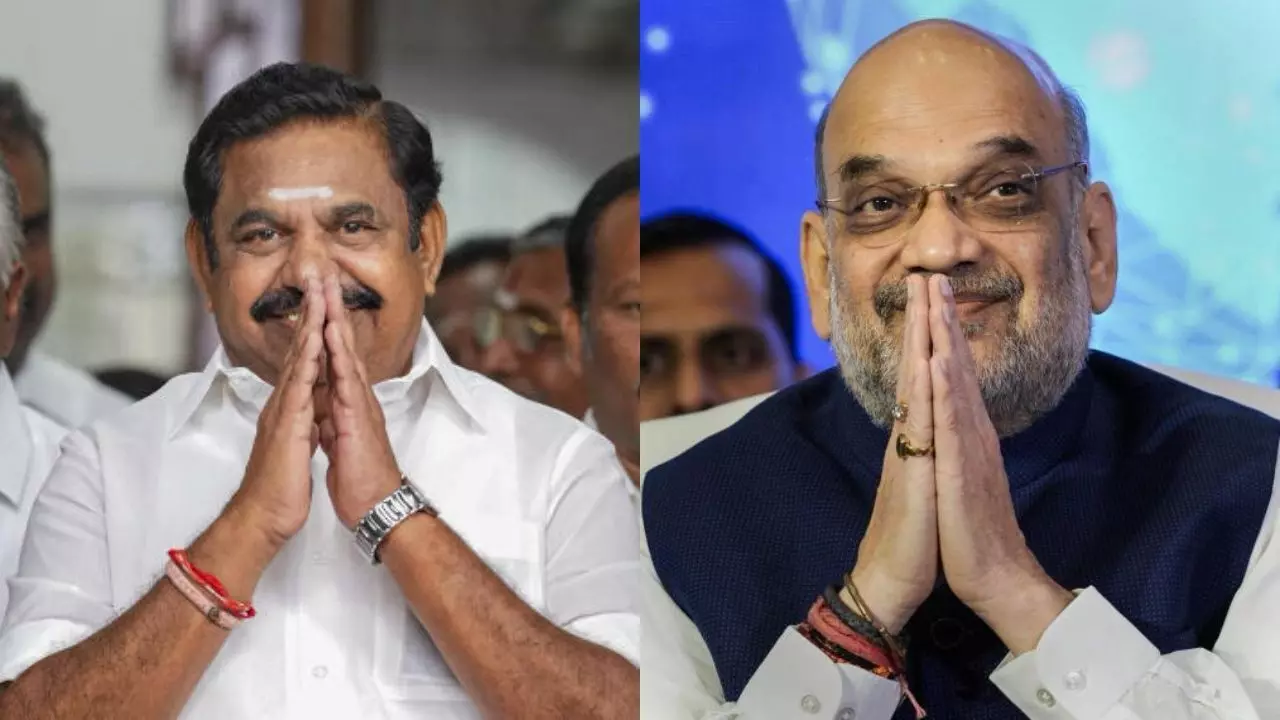
In the political theatre of Tamil Nadu, symbolism is often used to hide the real issues. Moral of the story as conveyed by those who whisper in the ear of All India Anna Dravida Munnetra Kazhagam these days may have a splinter in it: Edappadi K. Palaniswami could be made an alliance leader, but those who are close to party say that something else is being hinted at/will be the case – Amit Shah holds sway.
As the 2026 Assembly election gathers heat, the State has once again become a political magnet. Delhi’s heavyweights, who until recently cast only a cursory glance southwards, are now frequent visitors. Leaders of the Bharatiya Janata Party and the Indian National Congress are spending a significant share of their political calendar in Tamil Nadu. Yet, beneath the heightened activity lies an uncomfortable comparison: where the ruling Dravida Munnetra Kazhagam appears to exercise tight central command over alliance arithmetic, the Opposition space looks increasingly adrift.
Within the DMK, coalition management is neither outsourced nor improvised. Under the stewardship of Chief Minister M. K. Stalin, discrete committees have been tasked with clearly demarcated responsibilities. Senior leader K. N. Nehru is overseeing alliance negotiations, while Kanimozhi Karunanidhi and others are shaping the party’s electoral promises. The Congress, Tamil Nadu’s principal national player, continues to ride piggyback on the DMK’s organisational spine — as it has for years.
Even when Congress, citing actor-politician Vijay’s political foray, is said to have pressed for additional Assembly seats, a share in power, and a Rajya Sabha berth, the DMK’s response has been unequivocal. No expansion of seat allocation beyond a point; no Rajya Sabha nomination for leaders from northern States; and a firm assertion that those sent to Delhi will be Tamil Nadu representatives. The message has been blunt, and it has been delivered from a position of control.
Contrast this with the churn within the AIADMK–BJP axis. Party veterans concede, sometimes with visible discomfort, that the AIADMK no longer displays the internal certitude it once did. Though Edappadi Palaniswami has repeatedly described the formation as an AIADMK-led alliance, the ground reality, critics within the party say, resembles the inverse. From negotiations with the Desiya Murpokku Dravida Kazhagam to parleys involving the Pattali Makkal Katchi, it is BJP leaders who have been at the forefront.
The PMK’s Anbumani Ramadoss may have met Palaniswami, but subsequent signals, party insiders argue, indicate a greater reliance on Delhi interlocutors. Several smaller party leaders have publicly declared that they will negotiate directly with the BJP — a formulation that has not sat well with the AIADMK chief.
There is also the unprecedented inversion in seat-sharing dynamics. The time when allies sought seat allotments from the AIADMK, some veterans say, appears to have passed. Now, it is the BJP that is understood to have submitted a list of constituencies it intends to contest — complete, sources claim, with preferred candidates. The AIADMK, despite asserting leadership of the coalition, has yet to meaningfully steer the negotiations.
The disquiet extends to the Rajya Sabha question. Insiders allege that Palaniswami has been cautioned against taking unilateral decisions on Upper House nominations, and that consultations with the BJP are mandatory. Such assertions, circulating within party corridors, have deepened the sense that strategic levers lie outside Fort St. George’s traditional Dravidian bastions.
The optics surrounding the proposed mega rally in Madurai add another layer. AIADMK cadres have reportedly convened over a thousand consultative meetings across the State in the past ten days alone to mobilise support. To some within the party, the enthusiasm appears disproportionate — almost an overcompensation in demonstrating fealty. When Narendra Modi and Amit Shah travel to Madurai, and Palaniswami is seen positioning himself prominently in advance, comparisons are inevitable.
Veterans hark back to the era of J. Jayalalithaa, when even a sitting Prime Minister would call upon Poes Garden. Today, they ask in hushed tones: what does it signify when the State leadership appears to await Delhi’s nod?
In politics, perception can be as potent as power. And within the AIADMK’s rank and file — its “rathathin rathangal”, as loyalists like to describe themselves — the perception gaining currency is stark. The alliance may bear Edappadi’s name. But the control room, they fear, is elsewhere.