Modi, Trump, and the G20 Stage: A Summit of Shadows and Signals
Explore the implications of Modi's G20 attendance amid Trump's boycott and India's evolving global leadership aspirations.
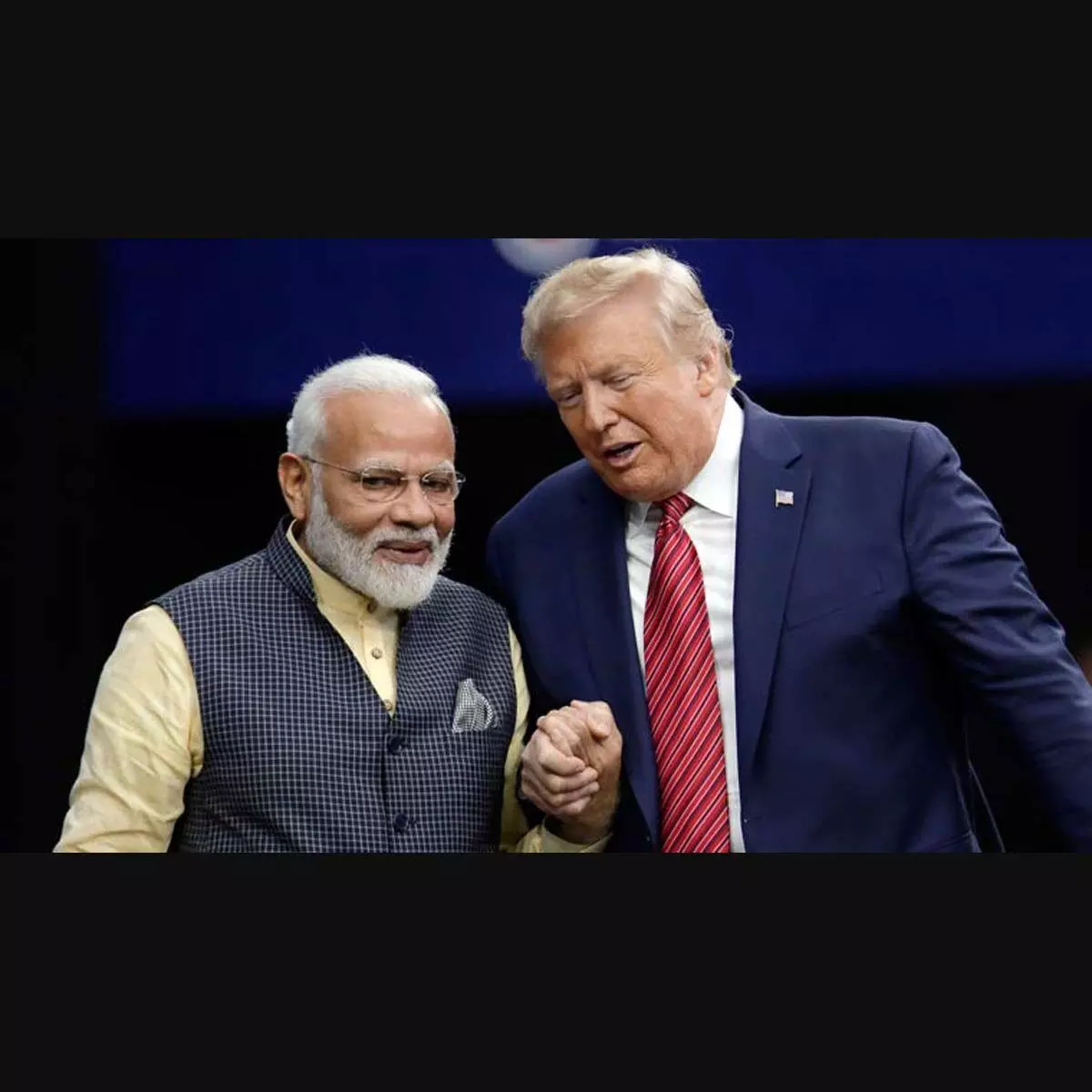
As the world’s most influential economies prepare to converge in Johannesburg for the G20 Summit on November 22–23, 2025, the absence of one leader and the anticipated presence of another have turned a routine diplomatic gathering into a theater of strategic symbolism. US President Donald Trump’s decision to boycott the summit—citing alleged human rights abuses against white Afrikaner farmers in South Africa—has not only stirred geopolitical ripples but also triggered domestic political jabs in India. Congress leader Jairam Ramesh’s sarcastic remark that Prime Minister Narendra Modi, the “self-styled Vishwaguru,” will now “attend in person” underscores the layered tensions and optics surrounding India’s foreign policy posture.
At the heart of this unfolding drama lies a deeper question: What does Modi’s potential attendance—or absence—signify in the context of India’s evolving relationship with the United States, and its aspirations for global leadership?
Trump’s boycott, framed as a moral stand against South Africa’s internal policies, is also a calculated geopolitical maneuver. By withdrawing from the summit, the US signals disapproval of the host nation’s governance while simultaneously disrupting the consensus-building process that the G20 is designed to foster. The move isolates South Africa diplomatically, but it also creates a vacuum of influence—one that other powers, including India, may seek to fill.
Modi’s attendance, therefore, becomes more than ceremonial. It is a strategic assertion of India’s willingness to engage, lead, and perhaps recalibrate the global narrative in Trump’s absence. Yet this opportunity is not without its complications. India’s own diplomatic ties with the US have been strained in recent years—over trade tariffs, digital sovereignty, and its continued purchase of Russian oil despite Western sanctions. These tensions have cast a shadow over bilateral summits and multilateral engagements alike.
The memory of Modi skipping the 47th ASEAN Summit in Kuala Lumpur, reportedly to avoid a direct encounter with Trump, still lingers. That decision, cloaked in cultural justifications like Diwali observance, was widely interpreted as a tactical retreat. It suggested a discomfort with confrontation, or at least a preference for strategic avoidance. In contrast, attending the G20 in Johannesburg could be read as a reversal—a calculated re-entry into the global arena, now that Trump is absent.
Jairam Ramesh’s jibe, while politically charged, taps into a broader critique of Modi’s foreign policy style: performative, selective, and often driven by optics rather than substance. The “Vishwaguru” label, once embraced by Modi’s supporters to signify India’s moral and spiritual leadership, has increasingly become a point of satire. Critics argue that India’s global engagements under Modi have prioritized spectacle over strategy—hug diplomacy, diaspora rallies, and choreographed summits—while sidestepping hard negotiations on climate, trade, and human rights.
Yet to dismiss Modi’s diplomacy as mere theater would be reductive. His government has pursued assertive stances on global platforms—from defending India’s energy security to challenging Western narratives on Kashmir and terrorism. The G20 summit offers a stage to amplify these positions, especially in a context where Western unity is fractured and emerging economies are seeking greater voice.
Moreover, South Africa as host carries symbolic weight. As a fellow member of BRICS, and a country grappling with post-colonial challenges, it offers India a chance to reinforce South-South solidarity. Modi’s presence could signal a pivot away from Western-centric forums and toward alternative coalitions that prioritize development, equity, and multipolarity.
But symbolism alone will not suffice. The G20 agenda—ranging from climate finance and digital governance to pandemic preparedness and debt restructuring—demands substantive contributions. India, with its growing economy and demographic heft, is expected to lead on issues like digital public infrastructure, inclusive growth, and reforming multilateral institutions. Modi’s speech, his bilateral meetings, and his negotiation stances will be scrutinized not just for rhetoric but for real commitments.
The domestic political implications are equally potent. With general elections looming in India, Modi’s global appearances serve dual purposes: projecting statesmanship abroad and consolidating authority at home. A successful G20 engagement could bolster his image as a global leader, countering opposition narratives of diplomatic retreat and strategic ambiguity.
Yet the shadow of Trump looms large. His boycott, while ostensibly about South African policies, also reflects a broader disengagement from multilateralism—a trend that India must navigate carefully. Aligning too closely with US positions risks alienating other partners; distancing too far could jeopardize strategic ties. Modi’s challenge is to strike a balance: assert India’s autonomy without provoking unnecessary friction.
In this delicate dance of diplomacy, every gesture matters. The decision to attend, the choice of words, the seating arrangements, even the photo ops—all become part of a larger narrative about India’s place in the world. And in that narrative, Modi is both actor and author, scripting a role that blends ambition with caution, pride with pragmatism.
As the summit approaches, the world will watch not just who speaks, but who listens. Not just who attends, but who leads. And in that moment, Modi’s presence—or absence—will echo far beyond Johannesburg. It will reverberate through the corridors of power in Washington, Brussels, Beijing, and Delhi, shaping perceptions of India’s resolve, relevance, and readiness to rise.