Modi’s Arunachal Visit: Strategic Assertion Amid Fragile Geopolitics
PM Modi's visit to Arunachal Pradesh is a strategic move to counter China's claims, but it also poses ecological and social challenges.

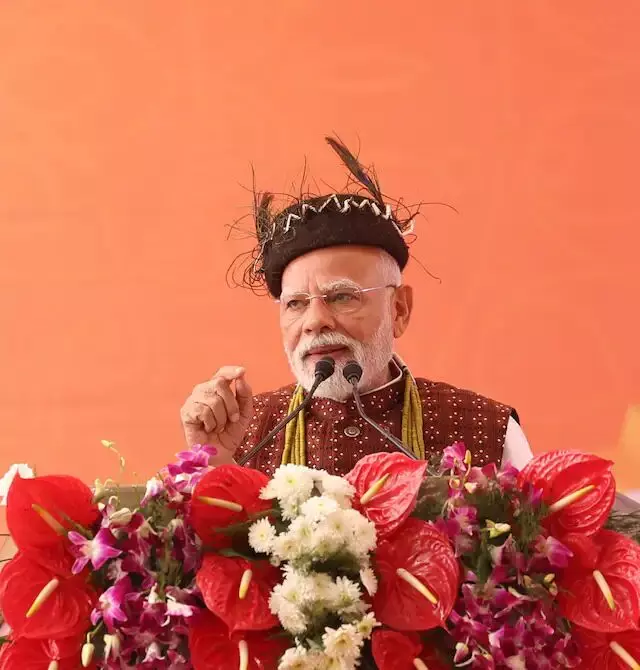
Prime Minister Narendra Modi’s latest visit to Arunachal Pradesh is more than symbolic. It is a layered exercise in geopolitics, strategy and security, aimed squarely at counterbalancing China’s persistent claims over the state. By physically and politically projecting New Delhi’s presence in this sensitive frontier, Modi underscores Arunachal as an inseparable part of India’s sovereignty.
Back in 2010, India’s push to strengthen its boundary posture—new road projects, troop deployments and heightened political visibility—provoked sharp protests from Beijing. China then recalibrated, shifting its pressure points to Kashmir. The pattern is clear: when India hardens one front, China changes the arena of contention. Modi’s visit is both a continuation of that earlier strategy and a signal that India will not cede narrative ground on Arunachal.
But beyond the optics, challenges loom. Arunachal’s ambitious hydropower and green-energy projects, central to India’s future energy security, face resistance from indigenous groups. Locals fear displacement, erosion of cultural identity and the impact on fragile mountain ecosystems. The region’s geology—prone to landslides and seismic activity—makes large-scale damming or tunnelling an ecological gamble.
Security experts agree the strategic logic of infrastructure expansion is undeniable. Yet the ecological and social costs could create instability from within. Left unaddressed, local discontent could become a vulnerability that external adversaries might exploit.
Modi’s Arunachal outreach, therefore, carries both promise and peril. It strengthens India’s geopolitical posture against China’s psychological and cartographic warfare, but it also risks ecological imbalance and local grievance. The visit is not only about countering China’s game plan; it is about balancing development, security and sustainability in one of India’s most fragile, yet most strategic, frontiers.