Understanding the Role of the New PADU Machines in the 2026 BMC Elections

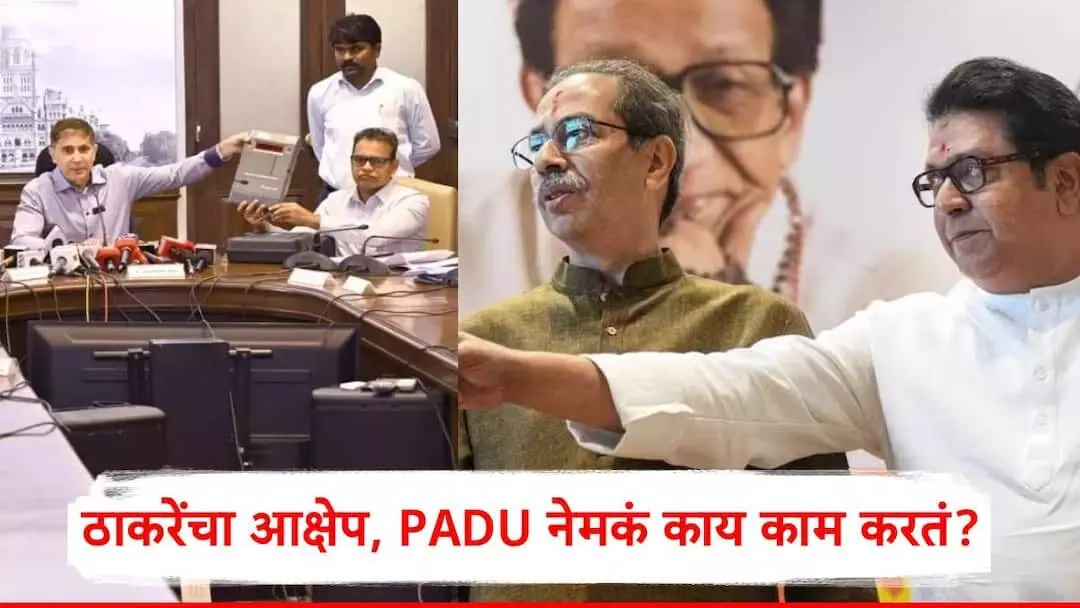
In recent developments regarding the upcoming BMC elections, a significant focus has shifted to the introduction of a new device known as the Printing Auxiliary Display Unit (PADU). This machine is set to serve as a backup for Electronic Voting Machines (EVMs) in case of technical issues during the polling process. The Election Commission's decision to implement the PADU machines has raised eyebrows among political leaders, particularly Raj Thackeray of the Maharashtra Navnirman Sena (MNS), who has voiced concerns about the lack of transparency in this decision.
What Exactly is the PADU Machine?
The PADU machine is designed to display voting data that is recorded by the EVMs. According to BMC Commissioner Bhushan Gagrani, a total of 140 of these machines will be deployed across Mumbai, specifically to ensure that the voting process remains uninterrupted should technical difficulties arise. This development marks the first time such a backup system is being employed in the BMC elections, emphasizing the importance of maintaining electoral integrity.
Political Reactions to the PADU Introduction
Political reactions have been swift and critical. Raj Thackeray has openly questioned why the Election Commission has not communicated the details of the PADU machines to the political parties ahead of the elections. He remarked, "The Election Commission has not been transparent; they are acting as puppets for the ruling government." Such statements reflect a growing concern among political circles about the integrity of the electoral process, especially with the looming elections.
The BMC elections are crucial not only for local governance in Mumbai but also serve as a litmus test for statewide political dynamics. The introduction of a new machine just days before the elections raises questions about its necessity and the timing of its implementation. Critics argue that this could potentially influence the election's outcome, especially if the PADU machines are used without adequate oversight. Thackeray's concerns about the timing of the announcement and the sudden changes in election protocols highlight the tensions that often accompany such significant electoral events.
In light of the controversies surrounding the PADU machine, it becomes imperative for the Election Commission to ensure that all political entities are kept informed. Transparency is key to maintaining trust in the electoral process. By openly communicating about technological changes and backup systems like PADU, the Commission can alleviate fears of unfair practices and ensure that all stakeholders feel confident in the electoral process.
As the BMC elections approach, the role of the PADU machines will be closely monitored. Whether they will function effectively as intended remains to be seen. The introduction of such technology should ideally bolster the electoral process rather than complicate it. For voters, the assurance that their voices will be counted, regardless of the technological challenges that may arise, is of utmost importance. As we await the election results, the focus will be on how well the PADU machines perform under pressure and how the political landscape in Mumbai might shift as a result.