Sports Diplomacy: Building Bridges, Fostering Peace

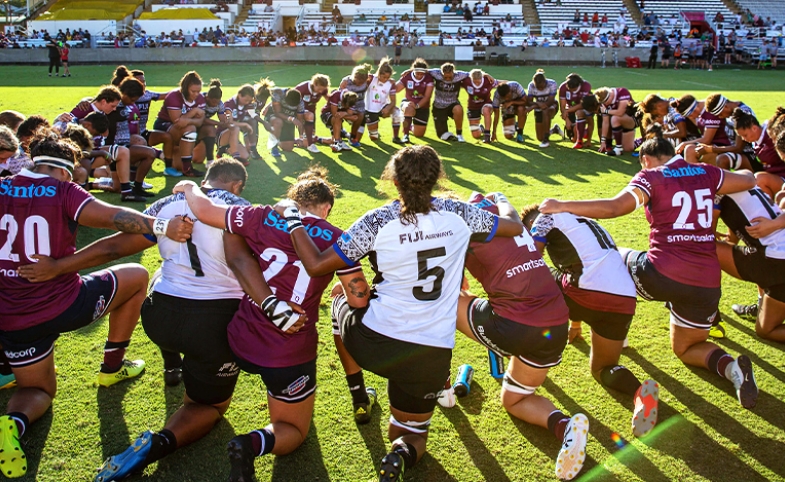
Sports diplomacy serves as a powerful tool for promoting international relations, transcending political and cultural barriers, and fostering cooperation among nations. By leveraging the universal appeal of sports, countries can engage in friendly competitions, cultural exchanges, and diplomatic initiatives that go beyond traditional channels. This essay delves into the significance of sports diplomacy, exploring its historical examples, impact on peace-building, and potential for cultivating mutual understanding and dialogue between nations.
1. Historical Examples:
Sports diplomacy has a rich history of bridging divides and thawing tensions between nations. One notable example is the "Ping Pong Diplomacy" between the United States and China in the early 1970s. The exchange of table tennis teams between the two nations played a pivotal role in facilitating high-level diplomatic talks and ultimately led to the normalization of relations. Similarly, the Olympic Games have provided numerous instances of sports diplomacy, bringing athletes from all corners of the globe together in a spirit of friendly competition, fostering understanding, and breaking down cultural stereotypes.
2. Promoting Peace and Understanding:
Sports diplomacy has a remarkable ability to transcend political conflicts and promote peace. By creating a common ground for engagement, sports facilitate dialogue, build trust, and forge connections among nations. Sporting events serve as platforms where athletes and fans from diverse backgrounds can interact and appreciate each other's cultures, fostering a sense of camaraderie. The shared pursuit of excellence and the principles of fair play can bridge cultural and ideological divides, enabling nations to see beyond their differences and work towards common goals. Through sports diplomacy, individuals become ambassadors of peace, carrying a message of unity and cooperation back to their respective countries.
3. Humanitarian Causes and Social Issues:
Sports diplomacy also provides a platform for addressing social issues and promoting humanitarian causes. Athletes and sports organizations have used their influence to raise awareness and advocate for peace, human rights, and inclusivity. For instance, initiatives like the "Football for Peace" program have utilized the popularity of soccer to promote conflict resolution and social cohesion in regions affected by violence. By harnessing the passion and dedication associated with sports, these efforts have the potential to drive positive change, transcending borders and inspiring individuals worldwide.
4. Overcoming Challenges:
While sports diplomacy has achieved remarkable success in building bridges, it is not without challenges. Political tensions, cultural differences, and historical conflicts can hinder progress. However, by emphasizing the shared values of sports and creating environments that encourage dialogue and mutual respect, these barriers can be overcome. Genuine commitment from governments, sports federations, and athletes is essential for sustained efforts in sports diplomacy.
Conclusion
Sports diplomacy stands as a testament to the unifying power of sports. It has played a significant role in history by bridging political divides, promoting peace, and addressing social issues. By fostering understanding, trust, and dialogue, sports diplomacy contributes to a more peaceful and interconnected world. As we move forward, it is vital to continue harnessing the potential of sports to build bridges between nations, cultivate mutual respect, and pave the way for a brighter future.
Images Credit -https://uscpublicdiplomacy.org/