Shashi Tharoor Criticises Team India’s Handshake Snub to Pakistan; BJP Hits Back

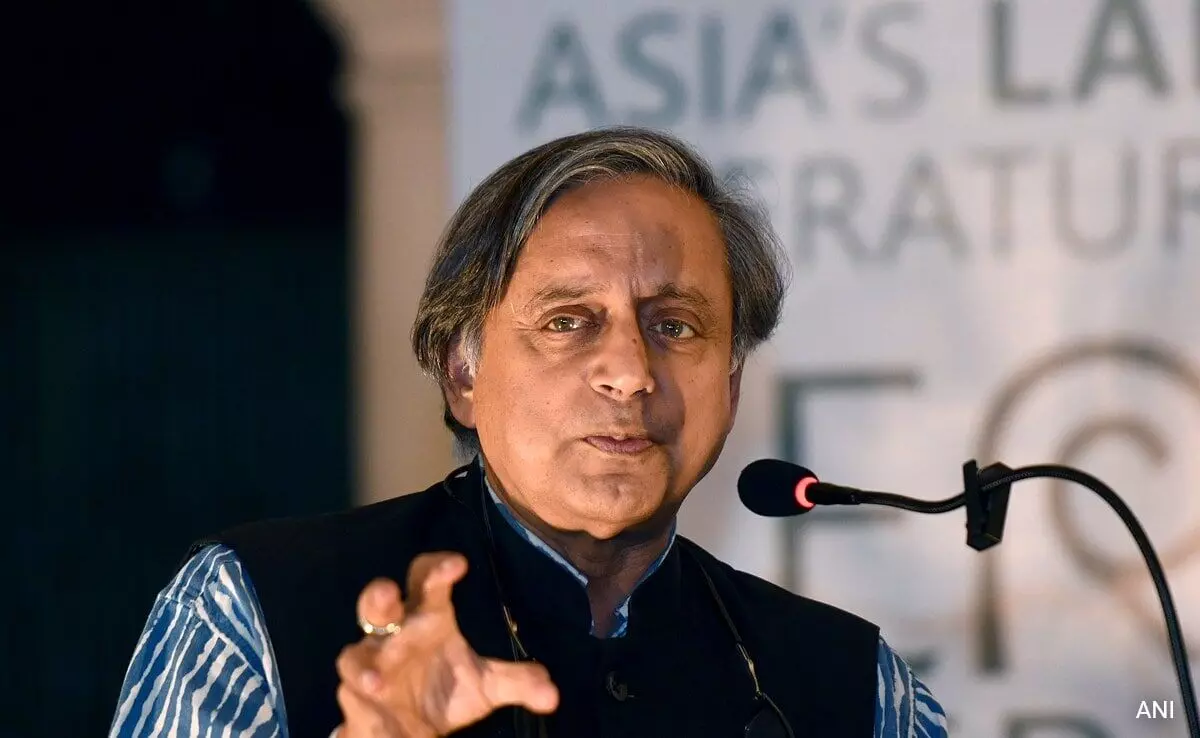
Congress MP Shashi Tharoor has stirred a political row after criticising the Indian cricket team’s decision to not shake hands with Pakistani players following their Asia Cup clash in Dubai. The senior Congress leader argued that the spirit of sport should remain separate from political and military tensions, and cited historical precedent to support his stance.
Speaking on Thursday, Tharoor recalled the 1999 Cricket World Cup match between India and Pakistan, which took place even as the Kargil War was underway. “On the very day soldiers were dying for our country, we played the World Cup in England against Pakistan. We were shaking hands even then. The spirit of the game is different from what happens between countries or armies. That’s my view,” he said.
Tharoor’s remarks come in the wake of India's decision to skip post-match handshakes with Pakistani players, a move that has drawn mixed reactions. The decision was reportedly made in consultation with the BCCI and Indian government, following the April 22 terror attack in Pahalgam that claimed 26 lives, and subsequent military tensions between the two nations.
Tharoor questioned the logic behind playing the match if there were such strong reservations. “If we have such strong feelings about Pakistan, then maybe we shouldn’t play them at all. But if we do play, it should be in the spirit of the game—and that includes a handshake,” he added.
The BJP swiftly responded to Tharoor’s comments, accusing the Congress party of harbouring sympathy for Pakistan. BJP spokesperson Pratul Shah Deo defended the Indian team's decision, stating it was justified under the current circumstances.
“Why should our team be expected to shake hands with Pakistani players when our soldiers are being killed? We had to play the match due to ICC obligations. But we beat them twice, and that has made India proud,” Deo said. He further alleged that the Congress “can’t rise above its affection for Pakistan.”
The controversy has once again highlighted the intersection of sports and politics, especially in the context of India-Pakistan relations, where cricket often becomes a proxy battleground for larger national sentiments.