NASA’s Artemis II Launches Crew Toward Moon, Marking First Human Mission Since 1972
Orion spacecraft begins 10-day journey with four astronauts, paving way for future lunar landings and Mars missions

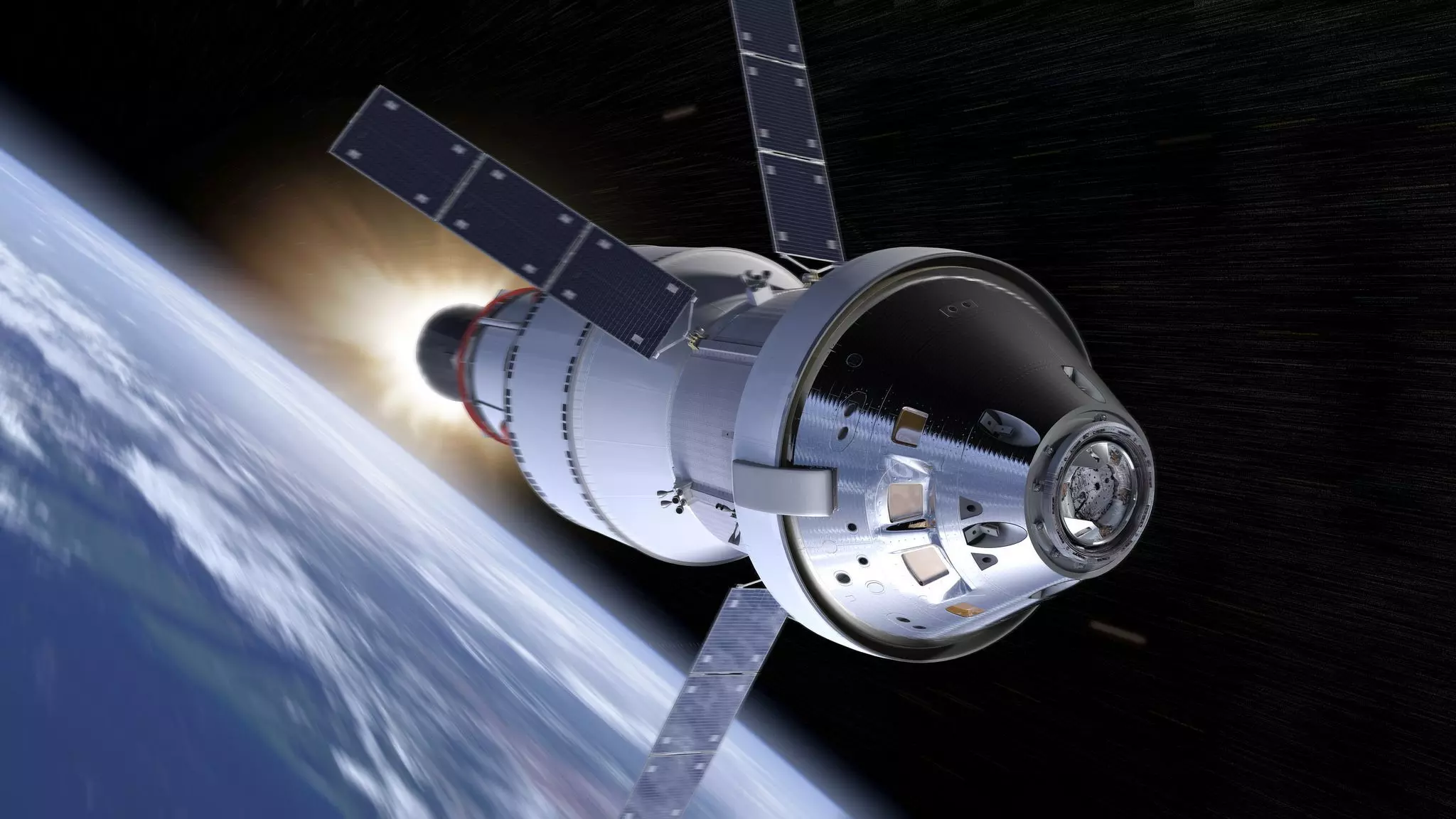
In a major milestone for human spaceflight, NASA has launched the Artemis II mission, sending four astronauts on a historic journey toward the Moon for the first time since the Apollo 17 mission in 1972.
The crewed mission, which lifted off on April 1 from Kennedy Space Center, is the first test flight of the Orion spacecraft paired with the Space Launch System (SLS) rocket. The 10-day mission is a key step in NASA’s Artemis programme aimed at enabling sustained lunar exploration and future missions to Mars.
The mission is commanded by Reid Wiseman, with Victor Glover, Jeremy Hansen, and Christina Koch forming the crew. The astronauts will not land on the Moon but will conduct a comprehensive test of systems critical for future missions.
Following launch, the Orion spacecraft entered Earth orbit for initial system checks, including life support, propulsion, avionics and solar array performance. On April 2, the spacecraft is scheduled to perform a translunar injection burn, propelling it toward the Moon at high speed.
During the journey, the crew will travel approximately 240,000 miles over several days, conducting experiments to study the effects of deep space on the human body while also testing navigation and radiation protection systems.
The mission will reach the Moon around April 5, executing a close flyby at an altitude of about 500 miles. During this phase, astronauts will capture high-resolution images and collect data on the lunar south pole, a region of interest for future landing missions due to the presence of water ice.
Using the Moon’s gravity, the spacecraft will then begin its return journey to Earth. The return phase will include further system checks and preparations for reentry, where the capsule is expected to withstand extreme temperatures of around 5,000°F as it re-enters Earth’s atmosphere.
The mission is scheduled to conclude on April 11 with a splashdown in the Pacific Ocean near San Diego, where recovery teams will retrieve the crew and spacecraft.
Artemis II is being seen as a critical rehearsal for upcoming missions, including future lunar landings and long-term plans for human exploration beyond Earth orbit. The mission underscores NASA’s renewed push to establish a sustained human presence on the Moon and lay the groundwork for future journeys to Mars.