Bangladesh Interim Leader Muhammad Yunus Blames India for Strained Ties, Says Hosting Hasina Fuelling Tensions

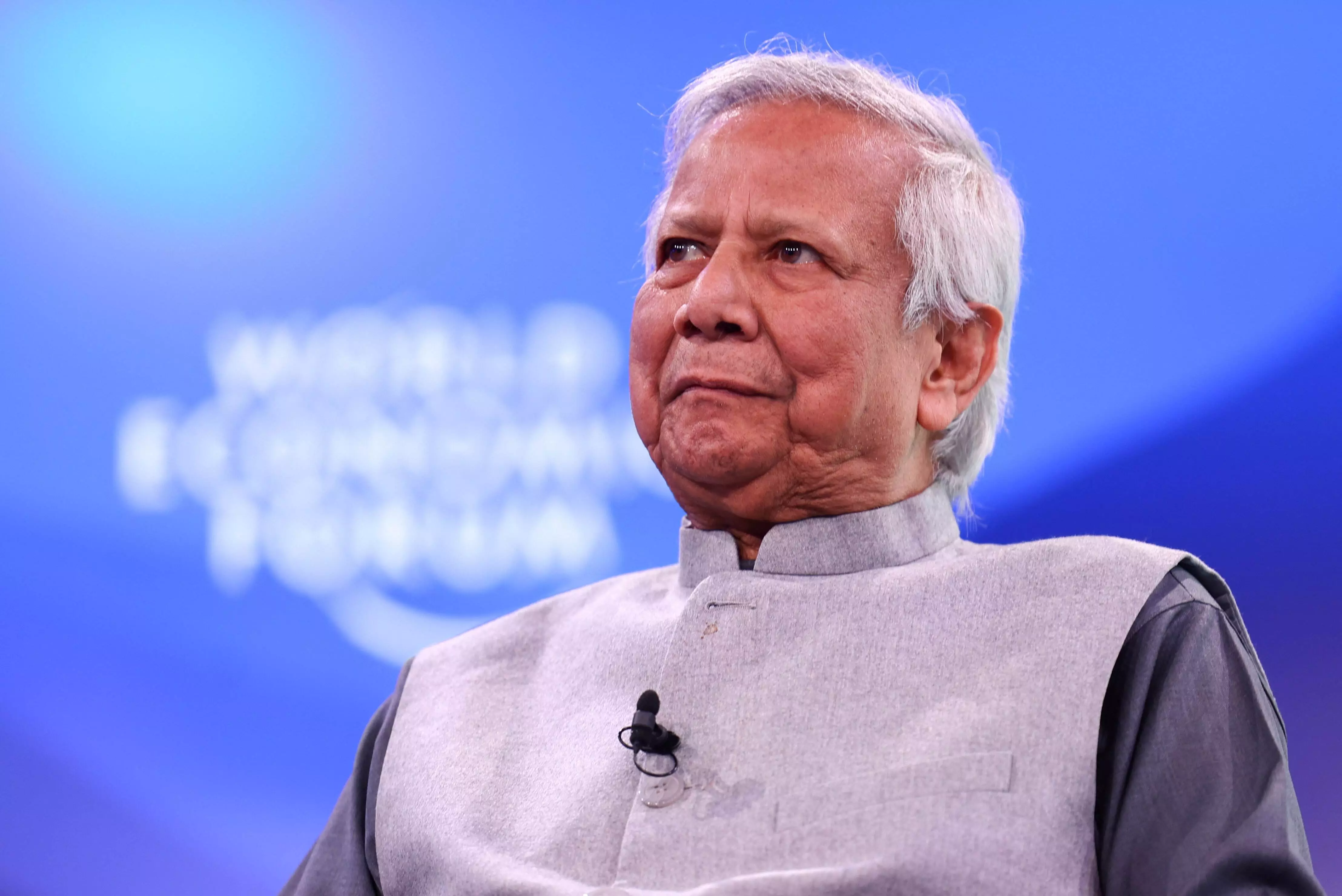
Bangladesh’s interim Chief Adviser, Muhammad Yunus, has blamed India for the recent strain in bilateral relations, pointing to New Delhi’s reaction to last year’s mass protests that led to the ouster of former Prime Minister Sheikh Hasina. Speaking on the sidelines of the United Nations General Assembly (UNGA) in New York, Yunus claimed that India’s continued support for Hasina, who is now living in self-exile in New Delhi, is a major source of tension.
“We have problems with India right now because they did not like what the students have done,” Yunus told reporters, referring to the widespread protests that erupted in August 2024, ultimately ending Hasina’s 16-year rule with the Awami League. He added, “India is hosting Hasina, who has created problems... that creates tension between India and Bangladesh.”
Yunus also criticised Indian media coverage of the political developments in Bangladesh, accusing it of spreading misinformation. “A lot of fake news is coming from India—propaganda that it’s an Islamist movement,” he said, rejecting claims that the current political shift is driven by radical elements.
Since the change in leadership, relations between India and Bangladesh have reached a new low. The interim government has filed multiple criminal cases against Sheikh Hasina and senior Awami League leaders, a move that has drawn concern from international human rights groups questioning the legitimacy of the charges.
India has so far not responded to Bangladesh’s formal request for Hasina’s extradition. The former prime minister has been residing in New Delhi since fleeing Dhaka in August last year. Meanwhile, Hasina has publicly maintained that she never resigned and has urged her party members to continue their political struggle.
Tensions between the two neighbours have been compounded by accusations from New Delhi that the new Bangladeshi administration is turning a blind eye to the repression of minorities and allowing radical elements more space. Yunus, however, has dismissed these concerns as “exaggerated.”
With diplomatic relations under visible strain, the situation marks a stark shift from the relatively close ties the two countries shared during Hasina’s tenure, raising questions about the future of regional cooperation in South Asia.