Canada Designates Bishnoi Gang as Terrorist Entity, Cites Threat to Diaspora Communities
Lawrence Bishnoi and his gang have been implicated in several high-profile criminal cases in India, including the murders of popular Punjabi singer Sidhu Moosewala and Mumbai-based politician Baba Siddiqui.

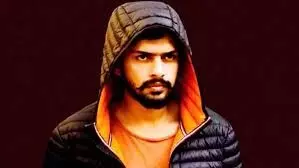
The Canadian government has officially designated the Bishnoi Gang—a criminal syndicate allegedly run by jailed Indian gangster Lawrence Bishnoi—as a terrorist entity under its Criminal Code. The decision, announced on Sunday, September 29, follows months of intelligence and security concerns surrounding the gang’s activities within Canadian borders, particularly targeting specific diaspora communities.
According to the Canadian government, the Bishnoi Gang is a transnational criminal organization with roots in India and an active presence in Canada, especially in areas with large South Asian populations. The group has been linked to extortion, murder, shootings, and arson, often spreading fear and intimidation among community leaders, businesses, and cultural figures.
Canadian Public Safety Minister Gary Anandasangaree said in a statement, “Every person in Canada has the right to feel safe in their home and community. Specific communities have been targeted for terror and violence by the Bishnoi Gang. Listing this group gives us more powerful and effective tools to confront and stop their crimes.”
This move comes in the wake of a series of high-profile incidents, including the 2023 killing of Sikh separatist Hardeep Singh Nijjar outside a gurdwara in British Columbia. While no official connection has been confirmed, the Bishnoi Gang was mentioned in media reports and discussions around the murder. The gang also reportedly claimed responsibility for shootings outside the homes of Punjabi singers AP Dhillon and Gippy Grewal in 2024.
Lawrence Bishnoi, currently incarcerated in Sabarmati Central Jail in Gujarat, India, has been linked to several major criminal cases, including the murder of singer Sidhu Moosewala. Other known associates of the gang include his brother Anmol Bishnoi, and operatives Goldy Brar and Rohit Godara.
The listing allows Canadian authorities to freeze or seize the gang’s assets, prosecute terrorism-related offences, and block members from entering the country. It also strengthens Canada’s immigration controls by flagging the gang’s ties in visa and asylum processes.
India has consistently denied any role in the gang’s alleged overseas operations, despite Canadian allegations that New Delhi may have used criminal networks to target Sikh extremists. Instead, India has long urged Ottawa to take firm action against anti-India elements and fugitives sheltering in Canada.