Charlie Kirk Killed in Utah Campus Shooting, FBI Probes Political Assassination
The Turning Point USA founder was fatally shot during a student debate session at Utah Valley University.
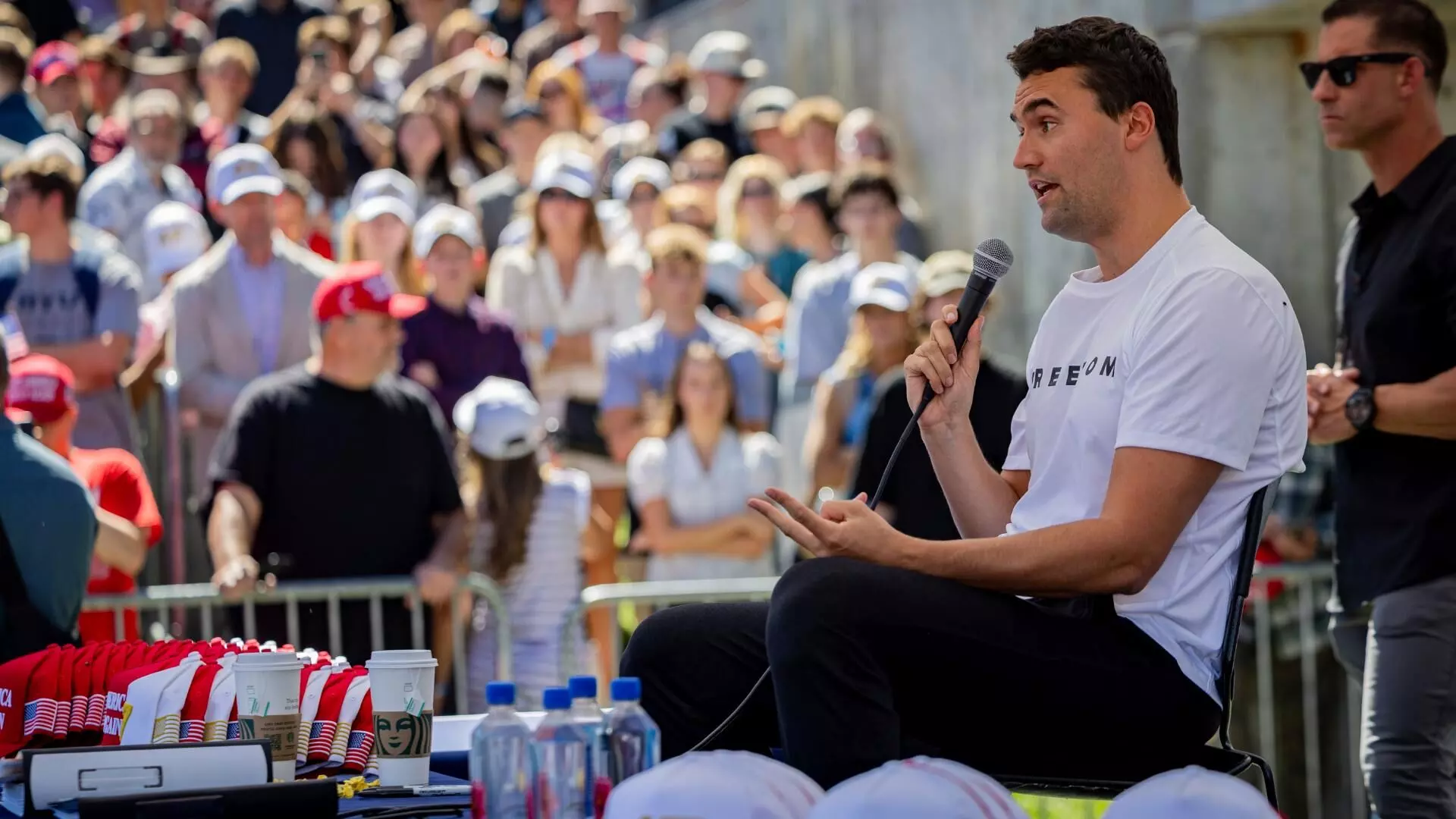
Charlie Kirk, the conservative activist and chief executive of Turning Point USA, was shot dead during a public event at Utah Valley University in Orem, Utah, on September 10, 2025. The 31-year-old was struck in the neck by a sniper’s bullet as he spoke to students in an outdoor “Prove Me Wrong” session.
The fatal shot was reportedly fired from the roof of the Losee Center, about 200 yards from where Kirk was seated. Witnesses described panic as the activist clutched his neck and collapsed while blood flowed heavily. He was rushed to hospital in critical condition but died soon after, according to police.
Federal agents, state authorities, and the FBI have opened a large-scale investigation. Officials described the attack as a “political assassination.” While two people were initially detained, both were released, and the suspected gunman remains at large. Security footage shows an individual in dark clothing on the rooftop moments before the attack.
Utah Valley University has closed its campus as a precaution. The FBI and ATF have appealed for public assistance, asking anyone with video or information to come forward.
President Donald Trump condemned the killing as a “heinous act of political violence,” while Utah Governor Spencer Cox called it “a tragedy for our state and our democracy.”
Kirk’s wife and children, who were at the event, were not harmed.
Background and Impact
Charlie Kirk was best known as the co-founder of Turning Point USA, a powerful right-wing student organization. Since its launch in 2012, the group has expanded nationwide, mobilizing conservative students and campaigning against progressive campus policies.
A vocal supporter of Donald Trump, Kirk was a frequent presence on conservative media and authored several books. His outspoken style, particularly on social media, often drew controversy but also made him a leading voice of the American right.
The assassination has sent shockwaves through political circles and raised urgent concerns about the safety of public figures in a climate of increasing political polarization.