Iran Routes Indian LPG Tankers Through Strategic Larak-Qeshm Channel
Jag Basant and Pine Gas sail toward India under Iranian guidance through narrow territorial waters passage; all ships face rigorous inspection before transit

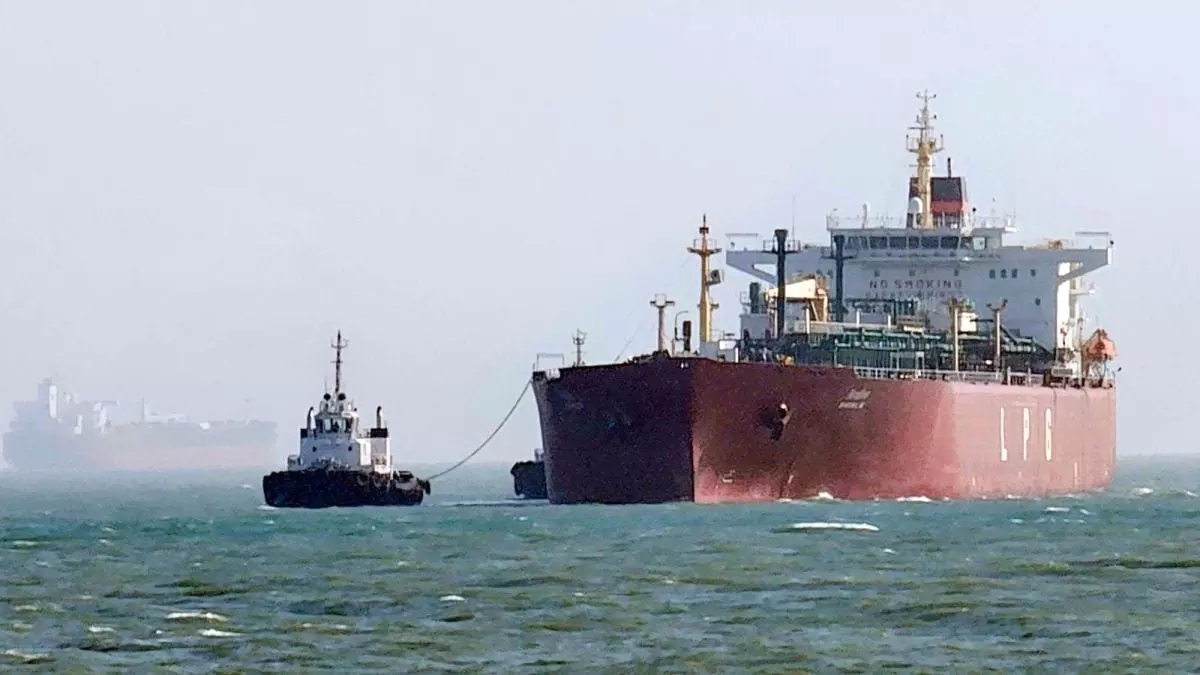
Two Indian-flagged LPG tankers, Jag Basant and Pine Gas, are currently en route to India after transiting the Strait of Hormuz via the Larak-Qeshm channel — a strategically significant narrow passage lying entirely within Iranian territorial waters that Tehran has made the exclusive corridor for select vessels amid the ongoing conflict.
The Larak-Qeshm channel is not a conventional shipping lane. Flanked by islands on both sides and entirely within Iran's territorial waters, it forms an exceptionally narrow passage that gives the Iranian military near-total control over vessel movement — making it easy to inspect, intercept, or escort ships at will. Following US and Israeli strikes, Iran has sharply restricted Hormuz transit to only select vessels, channelling permitted ships through this stronghold rather than the traditional deep-water lanes used by commercial shipping under normal circumstances.
No vessel is permitted to use the Larak-Qeshm channel without undergoing rigorous inspection by Iranian officials. The geography of the channel — narrow, island-flanked, and deep within Iran's territorial waters — makes it the most controllable chokepoint available to Tehran, allowing authorities to vet every ship before granting passage. Indian vessels and ships from several other nations have been guided through this route in recent days.
The safe transit of Jag Basant and Pine Gas provides further relief to India's LPG supply chain, which has been under severe strain since the Hormuz disruption began. The development also underscores the importance of India's diplomatic engagement with Tehran in ensuring that Indian-flagged vessels continue to receive safe passage through the conflict zone.