Iran's New Supreme Leader Mojtaba Khamenei Seriously Injured in Israeli Strike Just 24 Hours After Election
State TV Hails Him as 'Brave' as Israel Follows Through on Threat to Hunt Down New Leader; Bahrain Declares Force Majeure, Civilian Toll Crosses 1,255

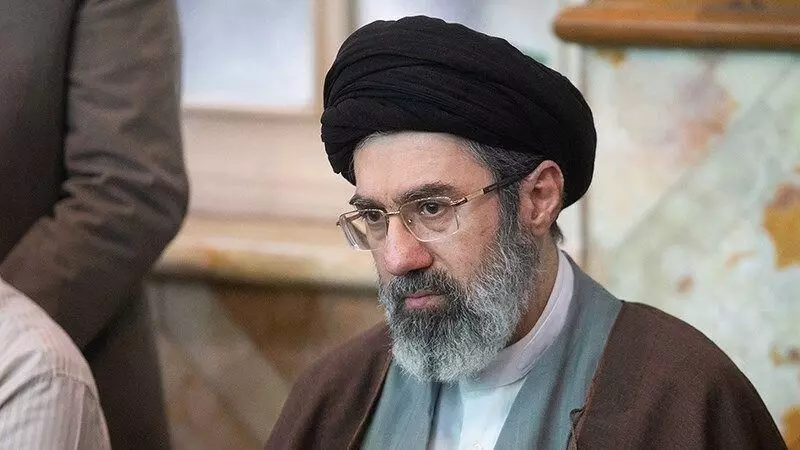
Just 24 hours after being elected Iran's new Supreme Leader by the Assembly of Experts, Mojtaba Khamenei has been seriously injured in what reports indicate was an Israeli strike — a dramatic and chilling development that underscores Israel's declared intention to eliminate Iran's leadership structure and plunges the Islamic Republic into a fresh crisis of succession and survival.
Iranian state television referred to Mojtaba Khamenei as "brave" in its coverage — a formulation widely interpreted in diplomatic circles as a coded acknowledgement that he was wounded in an enemy attack. No official statement has been issued clarifying the location or precise circumstances of the strike. Mojtaba had not made a single public appearance since the conflict began on February 28 and had been officially declared Supreme Leader only on Sunday.
The attack is being seen as the direct fulfilment of warnings issued by both Israel and the United States following the death of Ayatollah Ali Khamenei in the joint US-Israeli strike on February 28. Israeli officials had explicitly threatened that whoever was selected as Iran's new Supreme Leader would be hunted down regardless of location — a threat now apparently translated into action within hours of Mojtaba's election.
The strike carries a devastating personal dimension for Mojtaba. His father Ali Khamenei, his wife, and his daughter were all killed in the February 28 attack that triggered the current war. He assumed the Supreme Leadership having already suffered catastrophic personal losses — and now faces the prospect of leading his country while incapacitated by injury.
On the diplomatic front, China has moved to legitimise Mojtaba's appointment, with Foreign Ministry spokesperson Guo Jiaqun stating that the selection of Iran's Supreme Leader is an internal sovereign matter that must be respected. Beijing strongly condemned any external attempts to alter Iran's political system — positioning China as a key backer of Tehran's leadership continuity amid the crisis.
The economic fallout of the war continues to spread. Bahrain's state-owned oil company Bapco Energies has declared a force majeure situation following an Iranian drone attack on its refinery in the Sitra area, with thick plumes of smoke rising from the facility. The development adds fresh pressure to already strained global oil supply chains and threatens further disruption to energy markets already reeling from Brent crude's surge past $117 per barrel.
Iran's Deputy Health Minister Ali Jafarian confirmed that 1,255 people have been killed in the nine days of conflict — including 200 women and 168 schoolchildren — with more than 12,000 people injured. The figures represent civilian casualties from US and Israeli strikes inside Iran and are expected to draw growing international scrutiny as pressure builds on Washington and Jerusalem to address the humanitarian dimension of the campaign.