Israeli Strikes Hit Energy Sites in Yemen’s Capital Sana’a Amid Rising Tensions with Houthis
The strike follows the Houthis’ recent claim that they fired newly equipped missiles toward Israel, including one aimed at the country’s largest airport.

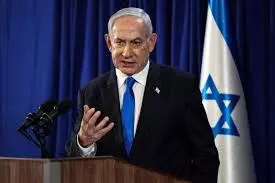
Israeli forces launched airstrikes on several key energy facilities in Yemen’s capital, Sana’a, on Sunday. The city, under the control of the Houthi militant group, was rocked by powerful explosions as Israeli jets targeted what they described as military infrastructure used by the Iran-backed group.
According to the Houthi media office, the strikes hit a power plant and a gas station. Residents reported hearing intense blasts, including near the presidential palace. One local, Hussein Mohamed, who lives nearby, said, “The sound of explosions was very strong.” Another resident, Ahmed al-Mekhlafy, added, “The house was rocked, and the windows were shattered.”
In a statement, the Israel Defense Forces (IDF) confirmed the strikes, saying they targeted military facilities linked to the Houthi leadership. These included a military site within the presidential palace, the Asar and Hizaz power plants, and a fuel storage site — all of which, the IDF claimed, were being used for Houthi military operations.
The strikes come just days after the Houthis claimed responsibility for launching a fresh round of missiles at Israel, including one aimed at the country’s largest airport. No casualties or damage were reported from those attacks.
An Israeli Air Force official, speaking anonymously to *AP*, revealed that the latest missile fired from Yemen contained cluster bombs — a new development that poses a greater challenge for Israeli missile defense systems. The use of such weaponry, the official said, highlights a technological escalation likely enabled by Iran.
The Houthis, backed by Iran, have been targeting Israel with missiles and drones since the outbreak of the Gaza war nearly two years ago. They’ve also disrupted commercial shipping in the Red Sea, one of the world’s most important maritime trade routes, through which roughly -$1 trillion worth of goods passes annually.
Although Houthi attacks on ships briefly stopped after U.S.-led retaliatory strikes ordered by President Joe Biden, the threat has persisted. In May, the U.S. reached a limited agreement with the Houthis — but the group later clarified that it would not stop attacks on Israeli-linked targets.
As tensions escalate, the latest Israeli strikes mark a significant deepening of the conflict, extending the battlefield far beyond Gaza and drawing in regional players across the Middle East.